

VIVIENNE WESTWOOD: REBEL, STORYTELLER & VISIONARY
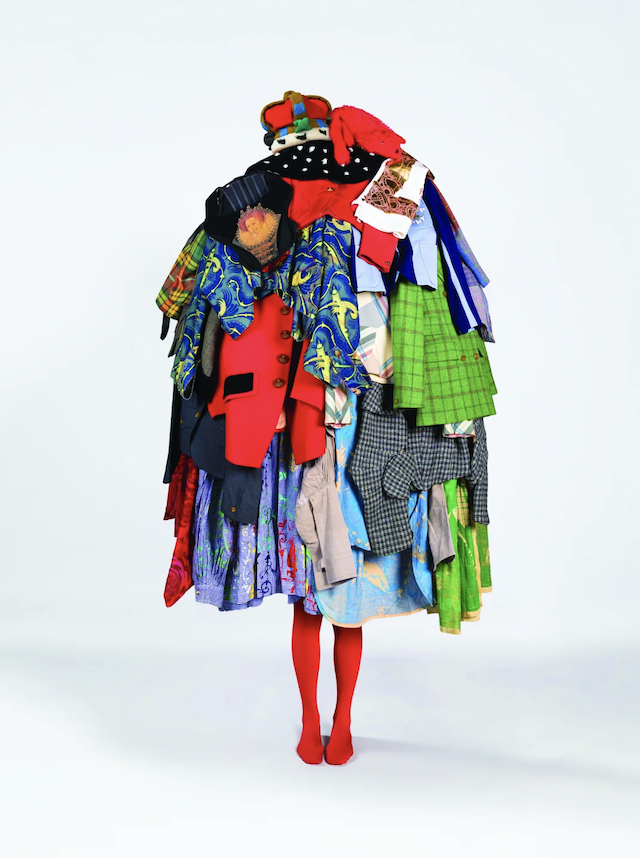
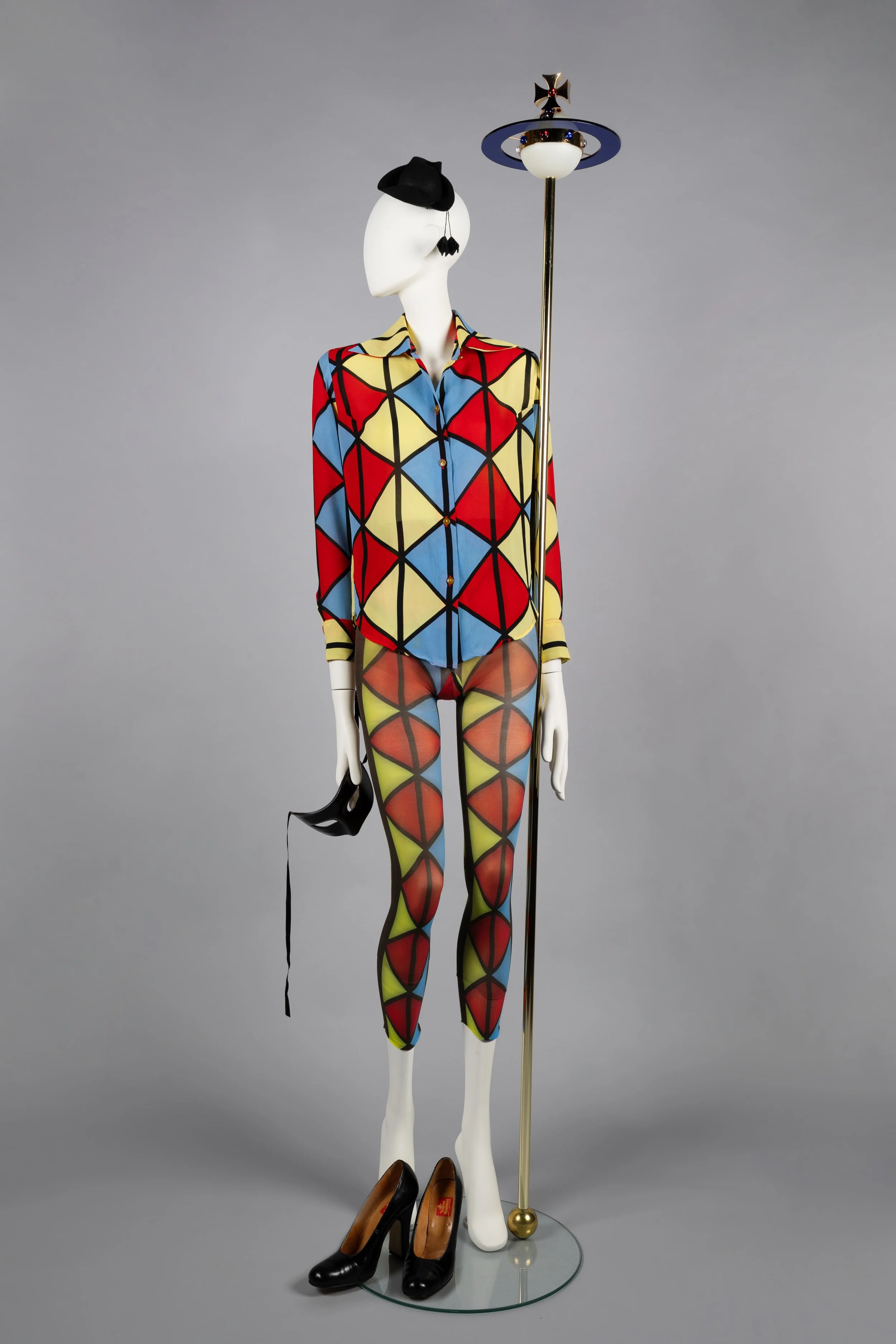


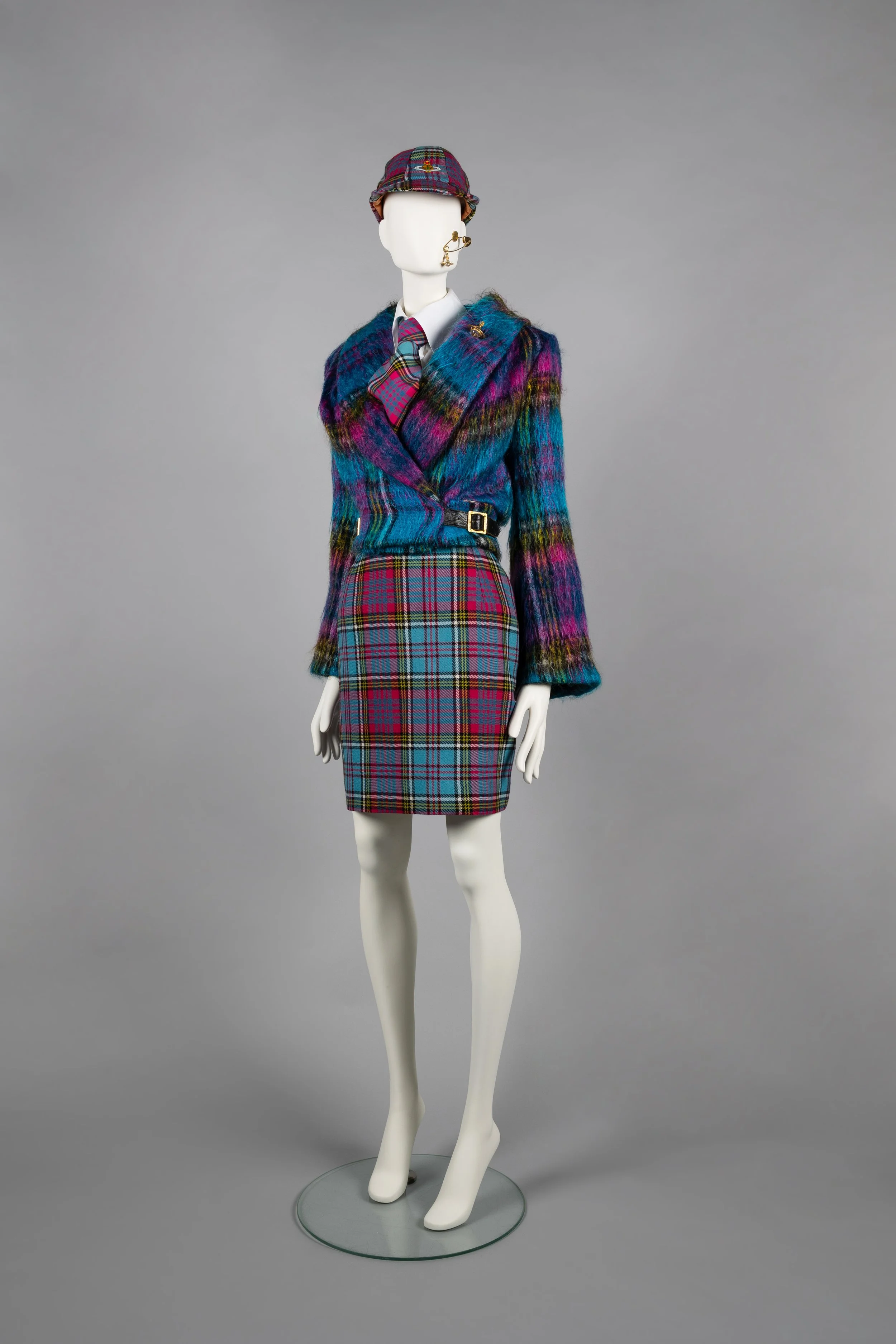
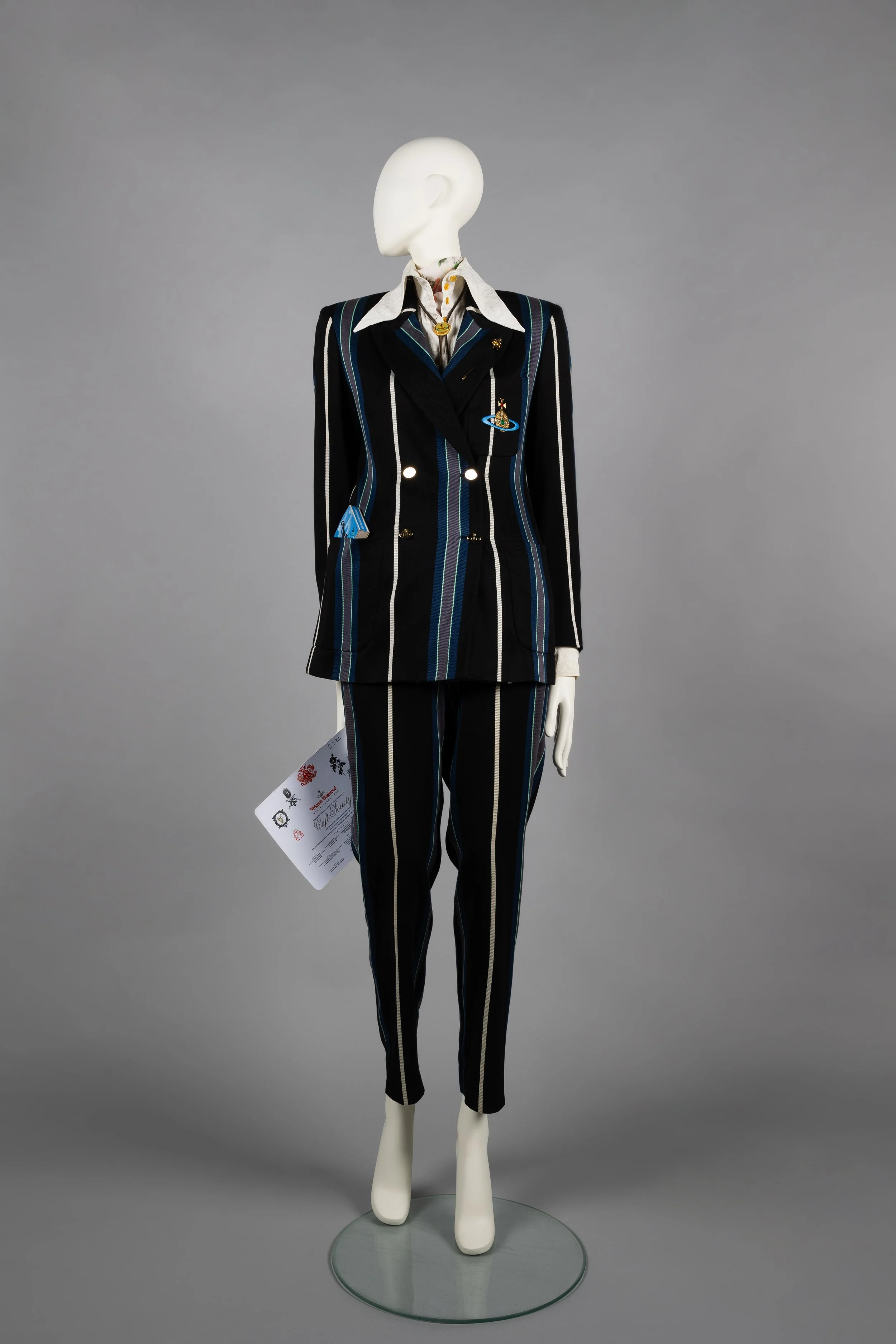
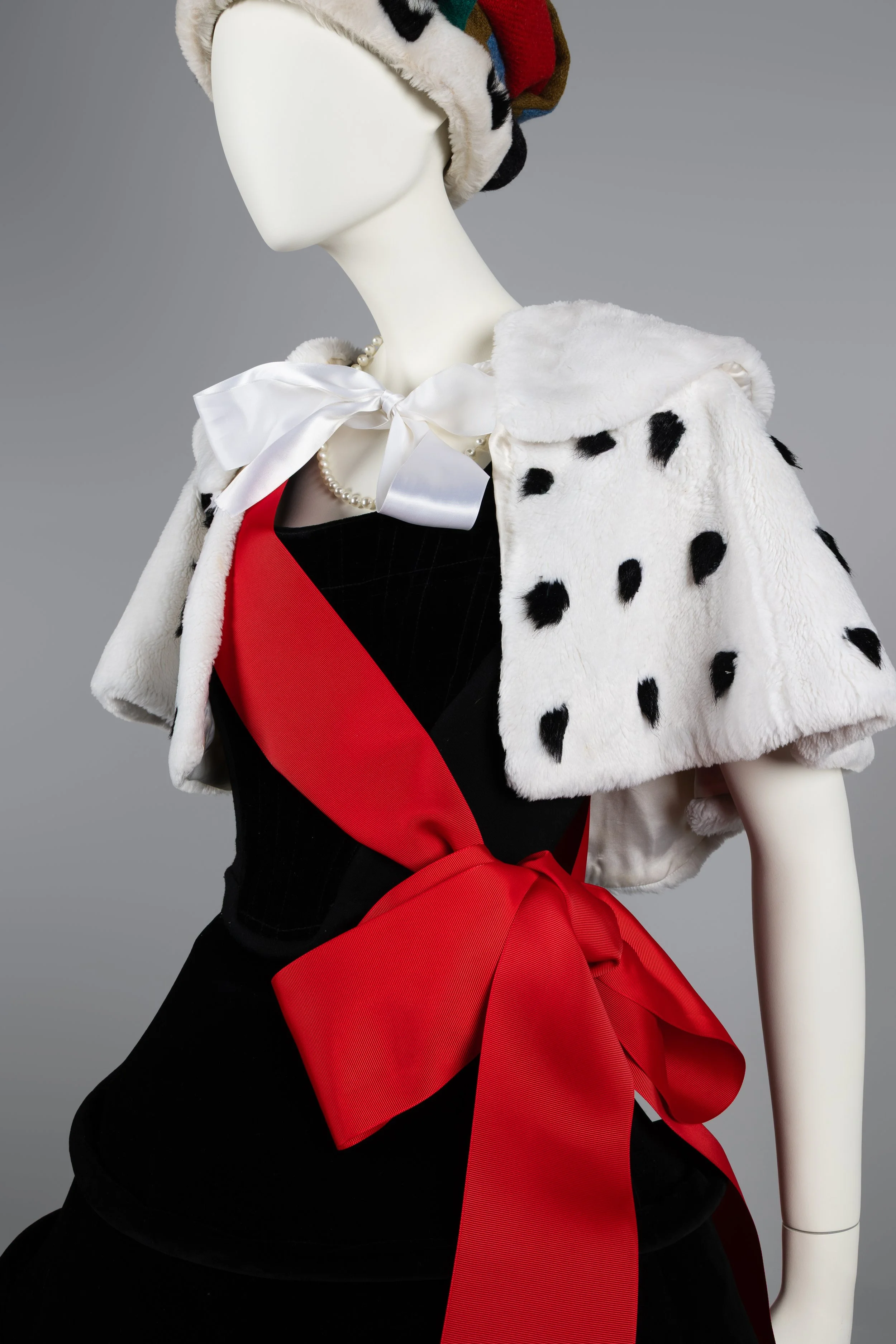
“Vivienne spent a lifetime shocking and delighting in equal measure; in disregarding trends and blurring the lines between fashion and art, her work remains timeless.”
This spring, The Bowes Museum places one of British fashion’s most fearless visionaries back in the spotlight with Vivienne Westwood: Rebel – Storyteller – Visionary, on view from March 28 to September 6, 2026. More than a conventional fashion retrospective, the exhibition offers an immersive look at the imagination, craftsmanship, and cultural disruption that made Vivienne Westwood one of the most important designers in modern style history.
Set within a museum celebrated for housing one of the country’s most significant fashion collections, the exhibition explores Westwood’s work from the early 1980s through the 2000s, tracing the evolution of a designer who never followed the rules and rarely acknowledged boundaries between fashion, art, history, and activism. For anyone interested in British fashion history, avant-garde design, couture construction, or the enduring influence of Vivienne Westwood, this is one of the standout exhibitions of the 2026 fashion calendar.
A Major Fashion Exhibition Celebrating Vivienne Westwood’s Lasting Influence
Vivienne Westwood: Rebel – Storyteller – Visionary gathers more than 40 ensembles, alongside garments, accessories, jewellery, and archival ephemera from the collection of Peter Smithson. The presentation is further enriched by previously unseen pieces from private collections, as well as key loans from Manchester Art Gallery and Fashion Museum Bath.
What makes this exhibition especially compelling is its focus not only on Westwood’s most iconic silhouettes, but on the ideas and techniques behind them. Westwood’s legacy has always extended far beyond clothes. She transformed historical research into provocative fashion, used the runway as a platform for narrative and confrontation, and consistently redefined what British design could look like on a global stage.
From corsetry and tailoring to draped forms, distressed textiles, and theatrical references, the exhibition reveals how Westwood’s garments continue to speak to today’s fashion audience. In an era where storytelling and identity are central to luxury fashion, her work feels as relevant as ever.
Inside the Exhibition: From Atelier to Salon-Style Display
The exhibition unfolds across two striking curatorial environments. In the Fashion and Textiles gallery, visitors enter a space designed to evoke a working atelier, complete with rolls of fabric, sewing tools, tailoring shears, and studio details that hint at the discipline behind the drama. This section offers a rare opportunity to look closely at Westwood’s design intelligence.
Through calico toiles and digitally deconstructed garments created in collaboration with the Fashion Department at Northumbria University, viewers can study the techniques that made Westwood’s work so revolutionary. Her mastery of bias cutting, pleating, screen printing, and distressed fabric treatments becomes visible in a way that traditional fashion displays rarely allow. The result is a deeper understanding of how rebellious fashion is often grounded in rigorous craft.
In the main exhibition space, the mood shifts toward a more theatrical presentation. Inspired by the richness of a traditional salon hang, the installation places Westwood’s designs in conversation with panelling, mirrors, paintings, and decorative works from The Bowes Museum Collection. Corsets and T-shirts are displayed alongside art and objects, reinforcing the idea that Westwood’s fashion was never isolated from culture—it was always part of a wider visual and intellectual world.
Tracing the Evolution of the Vivienne Westwood Label
A major strength of the exhibition is its chronological approach. Rather than presenting Westwood as a static icon, it charts the changing identity of the Vivienne Westwood label across different eras, including the Worlds End years, the Westwood years, and the Kronthaler years.
This structure allows visitors to see how her brand developed while still retaining its unmistakable rebellious spirit. Milestones in the exhibition include the emergence of the now-famous orb logo, Westwood’s recognition as British Fashion Designer of the Year in both 1990 and 1991, and the later restructuring of the house into Gold Label and Red Label, each representing different design and manufacturing directions.
The exhibition also acknowledges the importance of Andreas Kronthaler, whose relationship with Westwood became both personal and creative, shaping later chapters of the brand’s identity. This layered narrative gives the show an emotional and historical depth that goes beyond a display of famous looks.
“Vivienne’s approach to design and construction was as unique as she was. A golden thread of storytelling ran through her collections, an endless creativity fuelled by a thirst for history and culture.”
Westwood’s Obsession With History Comes Into Focus
Few designers mined the past as radically as Vivienne Westwood. Historical dress was never just a reference point for her—it was a living source of rebellion, reinvention, and commentary. That makes The Bowes Museum an especially fitting setting for this retrospective.
Westwood visited the museum in 2006, and this exhibition builds on that connection by placing more than 80 historic objects from the museum’s own collection in dialogue with her work. The juxtaposition highlights the artistic references that ran through her collections and shows how deeply she engaged with portraiture, eighteenth-century painting, court dress, theatre, and aristocratic codes of fashion.
Among the most visually compelling moments are the echoes between the museum’s dramatic gilded mirrors and the theatrical framing device used in Westwood’s Voyage to Cythera runway presentation for Autumn/Winter 1989/90. Elsewhere, looks from her Portrait collection for Autumn/Winter 1990/91, inspired by eighteenth-century art, are displayed in relation to Pierre Jacques Cazes’ La Naissance de Vénus – The Triumph of Venus. These curatorial pairings reinforce one of the exhibition’s core arguments: Westwood was not simply a designer of clothes, but a storyteller who translated art history into radical fashion language.
Why Vivienne Westwood Still Matters in 2026
Years after her passing, Vivienne Westwood remains central to conversations around fashion activism, sustainability, British design, punk influence, and the politics of dress. Her work continues to resonate because it refused passivity. It challenged beauty standards, questioned authority, and brought intellectual force to the runway.
This exhibition makes clear that Westwood’s brilliance lay in contradiction. She was rebellious yet deeply scholarly, theatrical yet technically exacting, anti-establishment yet profoundly influential within the fashion establishment. Her garments shocked, but they also endured. They continue to inspire new generations of designers who see fashion not just as image, but as argument.
For emerging creatives in the North of England and beyond, the exhibition carries another layer of significance. Westwood’s story is rooted in the idea that visionary fashion can emerge from outside the expected centres of power. Her Northern roots, her refusal to conform, and her lifelong commitment to creativity on her own terms remain deeply inspiring.
Public Programming Expands the Experience
Beyond the galleries, Vivienne Westwood: Rebel – Storyteller – Visionary is supported by a public programme designed to bring visitors closer to Westwood’s process and legacy. Workshops focused on the techniques she used, along with talks by collector and Associate Curator Peter Smithson, offer additional context for fashion lovers, students, and industry observers alike.
These events deepen the exhibition’s educational dimension and make it more than a retrospective to simply view. Instead, it becomes a space to actively engage with the construction, symbolism, and cultural urgency of Westwood’s fashion.
A Must-See Fashion Exhibition of 2026
At its best, Vivienne Westwood: Rebel – Storyteller – Visionary does exactly what a strong fashion exhibition should do: it reanimates the designer’s world while also showing why that world still matters now. By combining iconic garments with historical objects, technical study, and immersive design, The Bowes Museum has created a retrospective that feels both intimate and expansive.
For admirers of Vivienne Westwood, lovers of fashion exhibitions in the UK, and anyone interested in the intersection of style, art, history, and rebellion, this show is essential viewing. It captures Westwood not simply as a designer, but as a force—one whose imagination reshaped the visual language of fashion and whose influence continues to reverberate across the industry.
Vivienne Westwood: Rebel – Storyteller – Visionary runs at The Bowes Museum from 28 March to 6 September 2026.