

KAREN BYSTEDT INTERVIEW
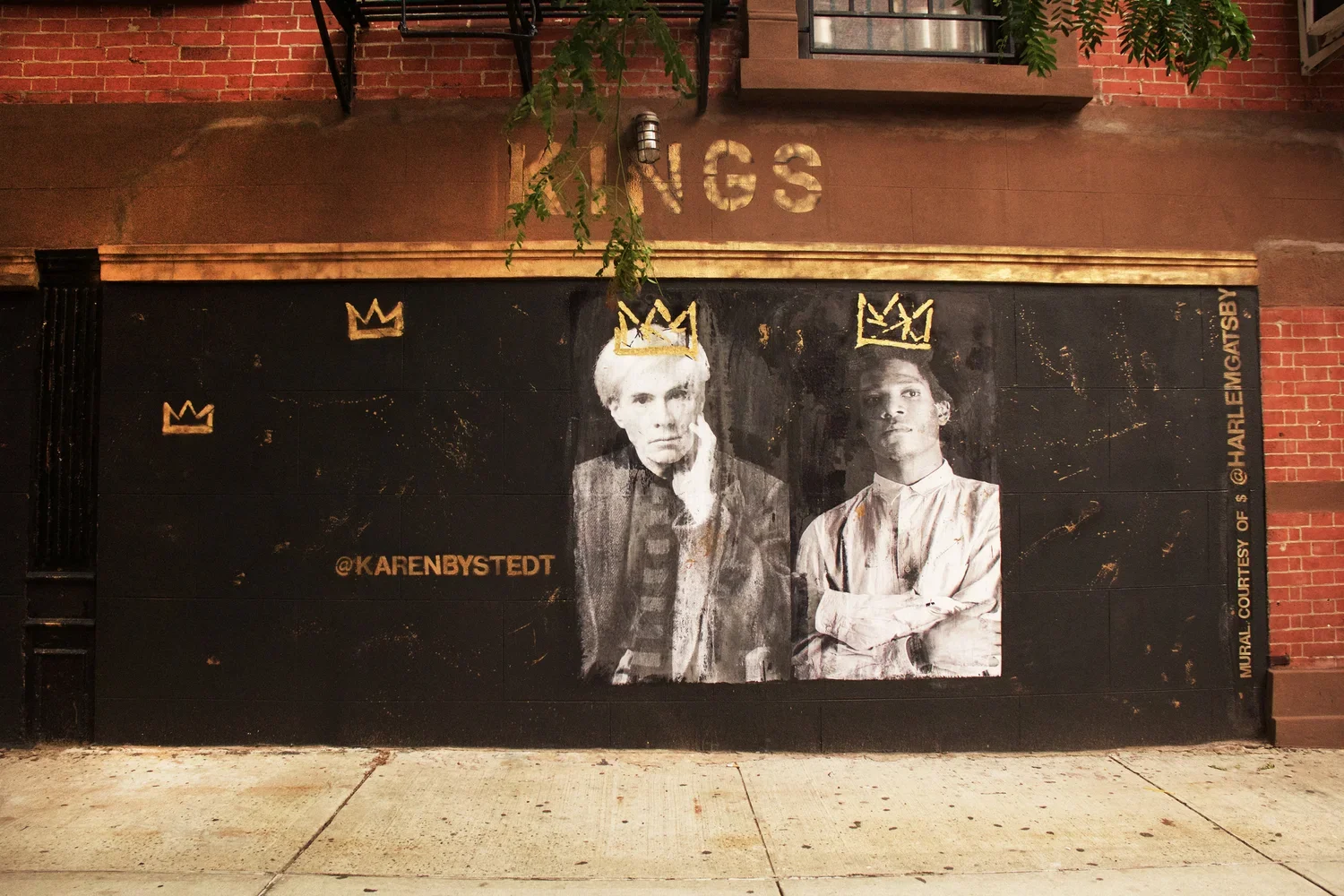
More than three decades after photographing Andy Warhol, you transformed a forgotten series of portraits into an ambitious collaborative project that bridges photography, street art, and contemporary pop culture. Along the way, you've worked with artists such as Peter Tunney, Speedy Graphito, Dom Pattinson, and Chris Brown. What have been some of the most memorable moments and creative discoveries to emerge from these collaborations?
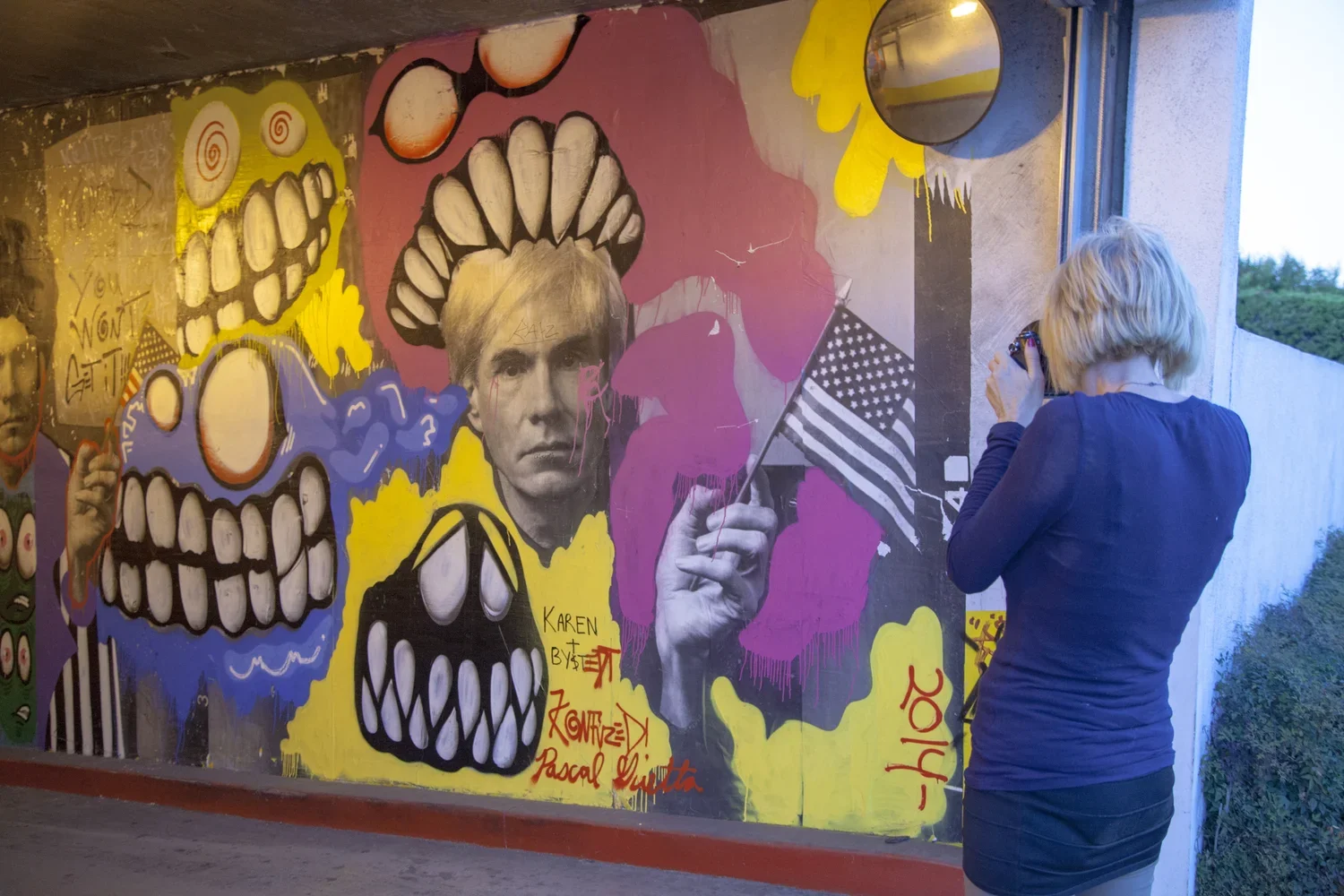
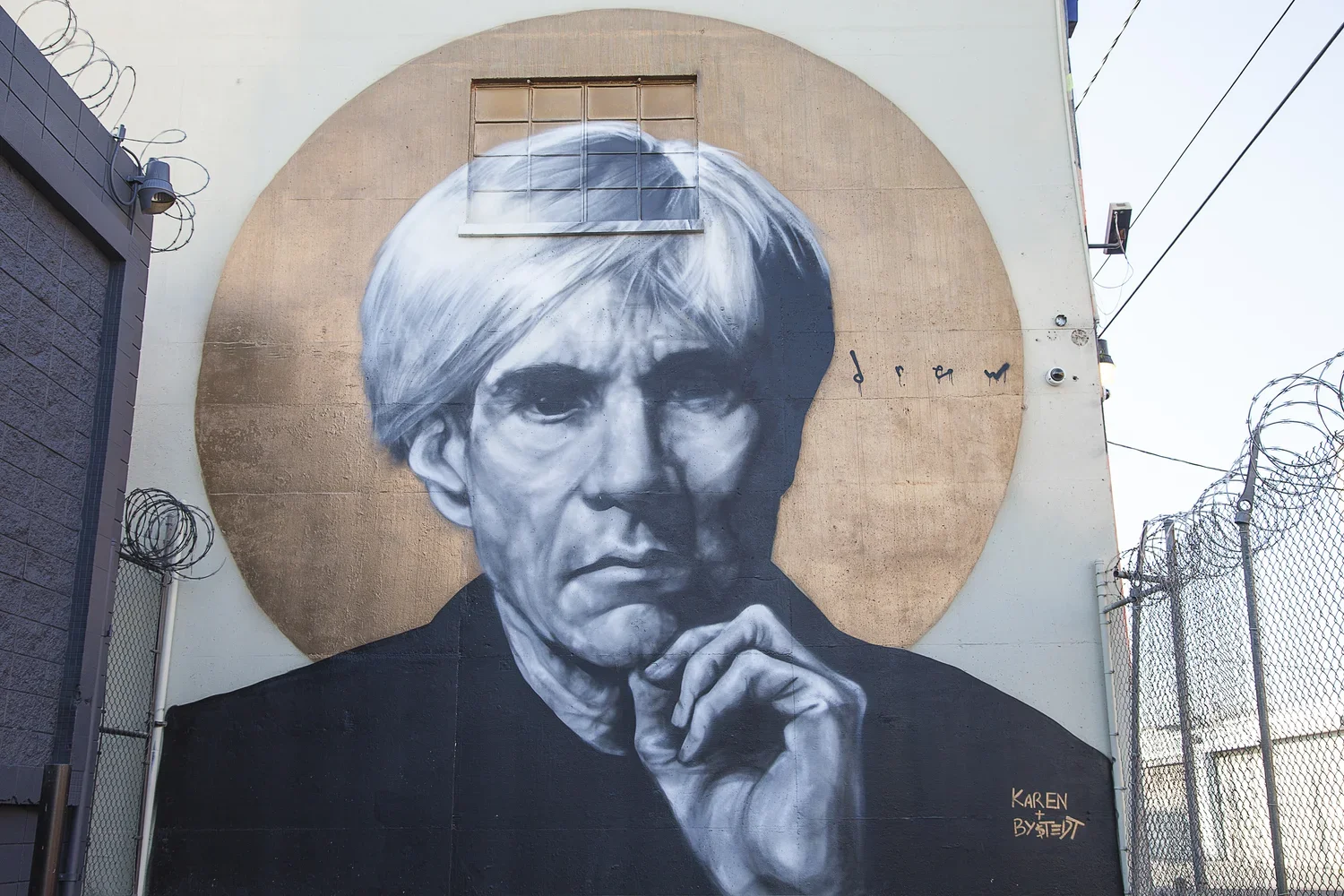
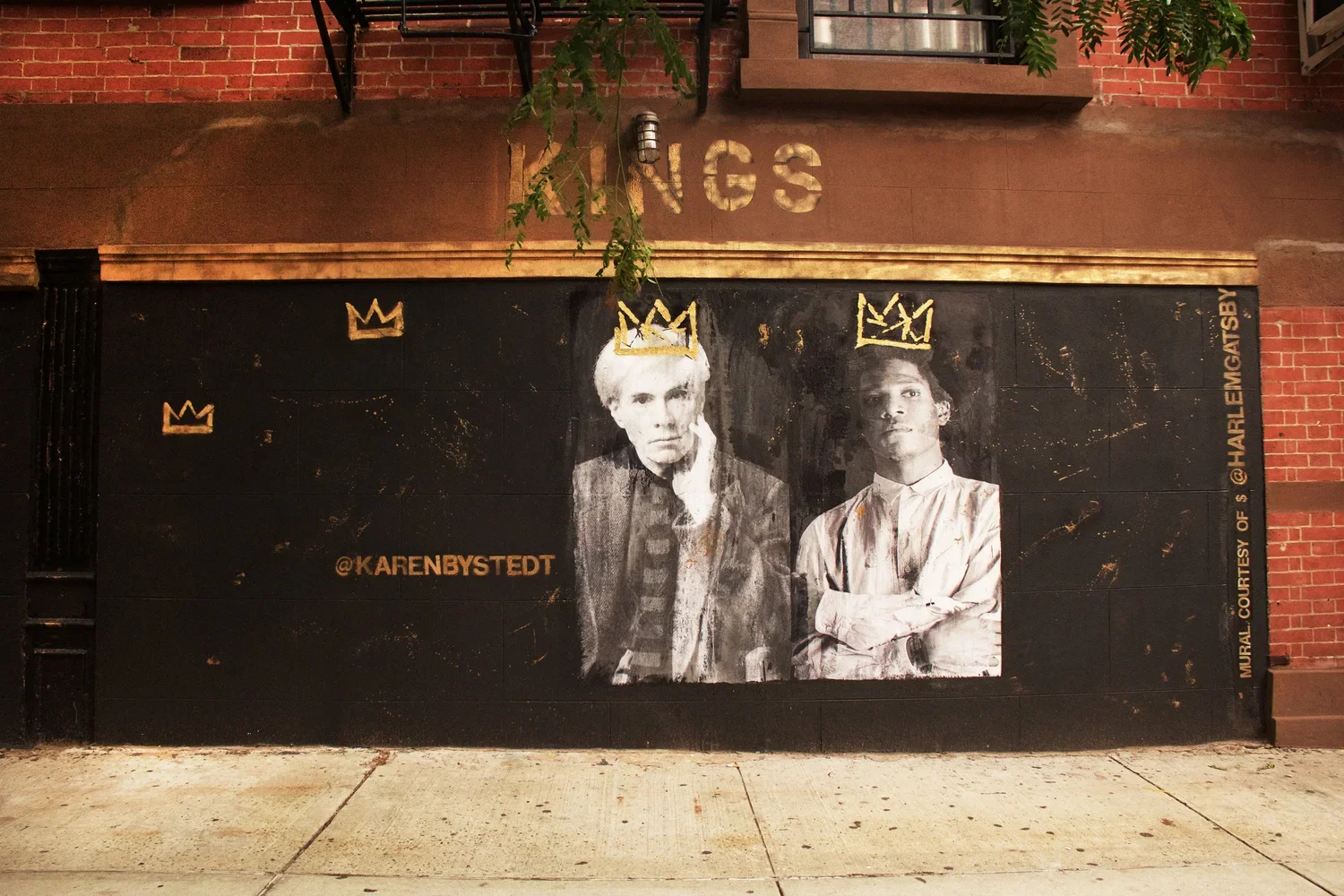
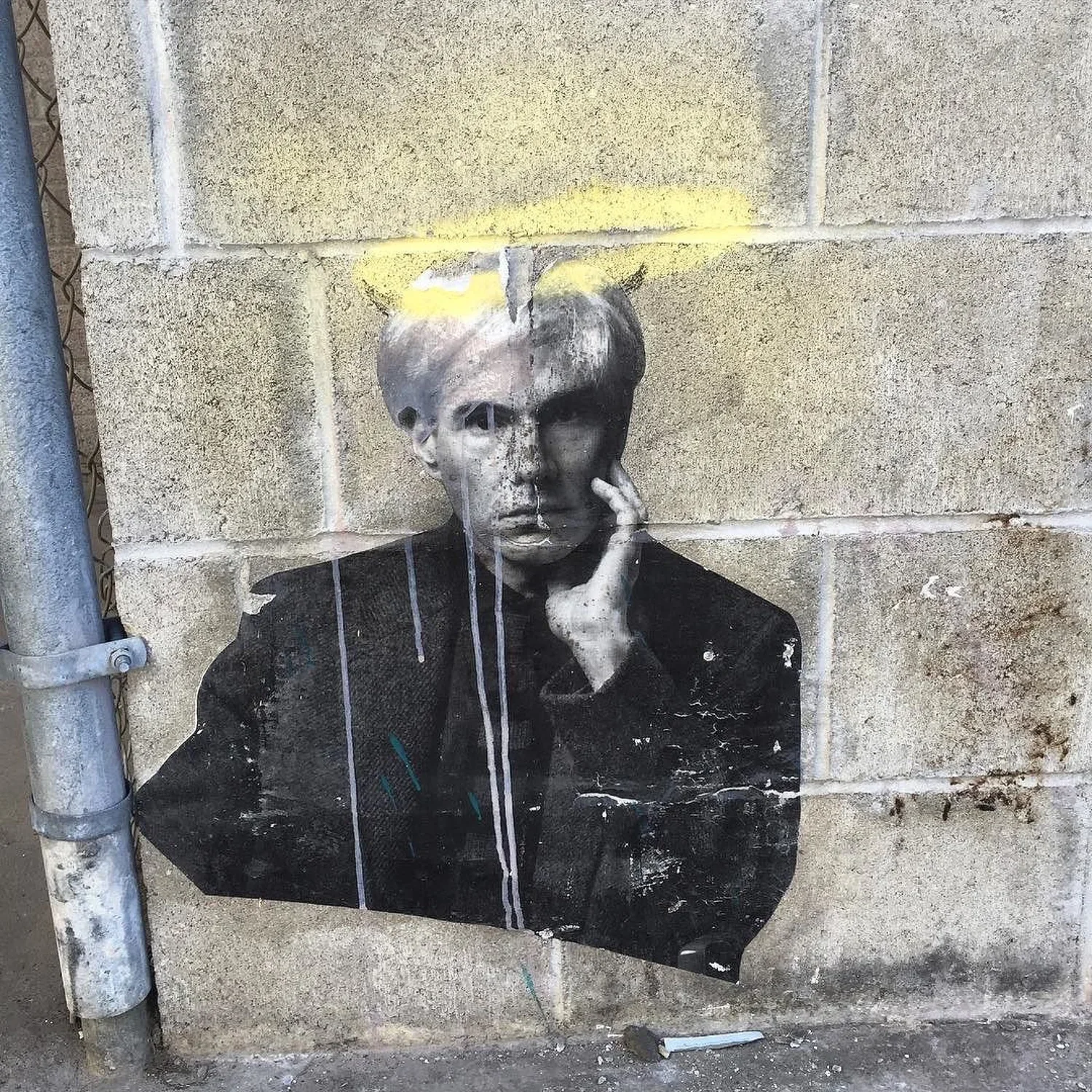
I have had the honor and privilege of collaborating with a diverse group of artists to create mixed-media fine art, murals, and stencil art in cities such as Los Angeles, Houston, and Vilamoura—with Portugal being the next exciting chapter.
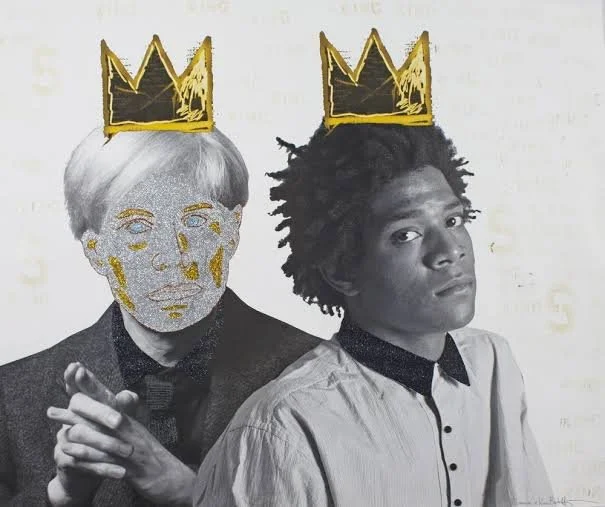
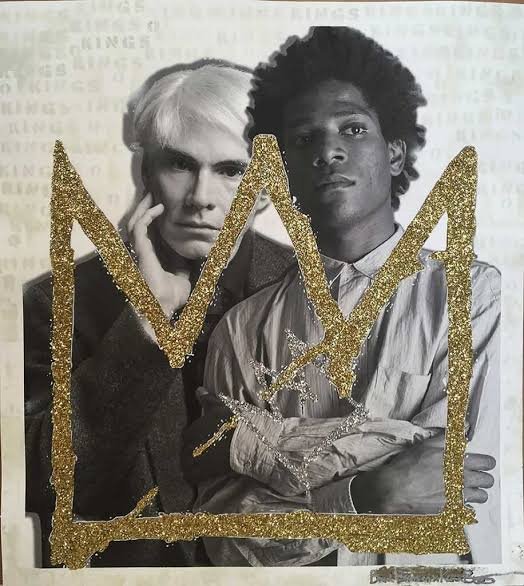
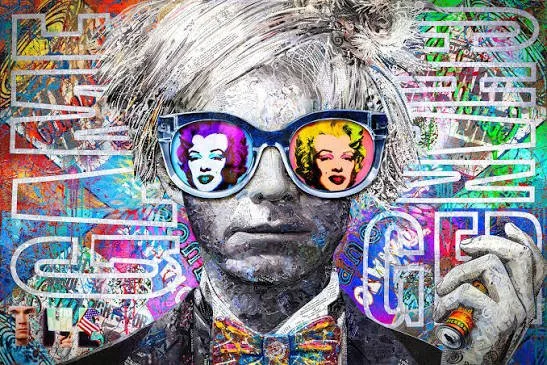
Peter Tunney was my first collaboration. In 2011, shortly after visiting the Warhol Museum in Pittsburgh and gifting the museum four of my artist proofs, I was invited to exhibit my photographs during Art Basel Miami. One of those artist proofs now hangs beside Andy's stuffed dog in the museum, which remains a special moment for me.
For the exhibition, I wanted an artist to paint live over my photographs of Andy. Upon arriving in Wynwood, I walked into a studio in the famous Wynwood Walls and, to my surprise, met Peter Tunney—the very artist who had agreed to collaborate with me. It felt destined. During the opening reception, Peter live-silkscreened over my photographs while guests watched. Patrick McMullan hosted the event, and collectors were completely captivated by what was unfolding.
Peter later told me he had never collaborated with another artist before, but he connected deeply with my photographs of Andy. We continue to work together, and I remain incredibly grateful for that partnership.
After returning to Los Angeles, I met Speedy Graphito through Fabian Castanier. When he saw what Peter and I had created, he immediately wanted to develop a series with my Warhol images as well. At the time, photography purists advised me not to allow artists to paint over my photographs, but I trusted my instincts. I also thought about Andy Warhol himself and how much he embraced experimentation and collaboration.
Just before my Art Basel exhibition opened, I noticed a silver lining outside my high-rise balcony in Brickell. Since silver was Andy's favorite color, I felt as though he was sending me a sign of approval.
Later, when Chris Brown's name was suggested as a collaborator, I was thrilled. I've always loved R&B and hip-hop, and I felt he would bring a completely different energy to the project.
Working with Chris has been incredible. He is genuinely passionate about art and has been tremendously supportive throughout the process. One of the things I value most is that our collaboration introduced Andy Warhol to an entirely new audience—many of whom may not have known his work before but have now become inspired by his legacy.
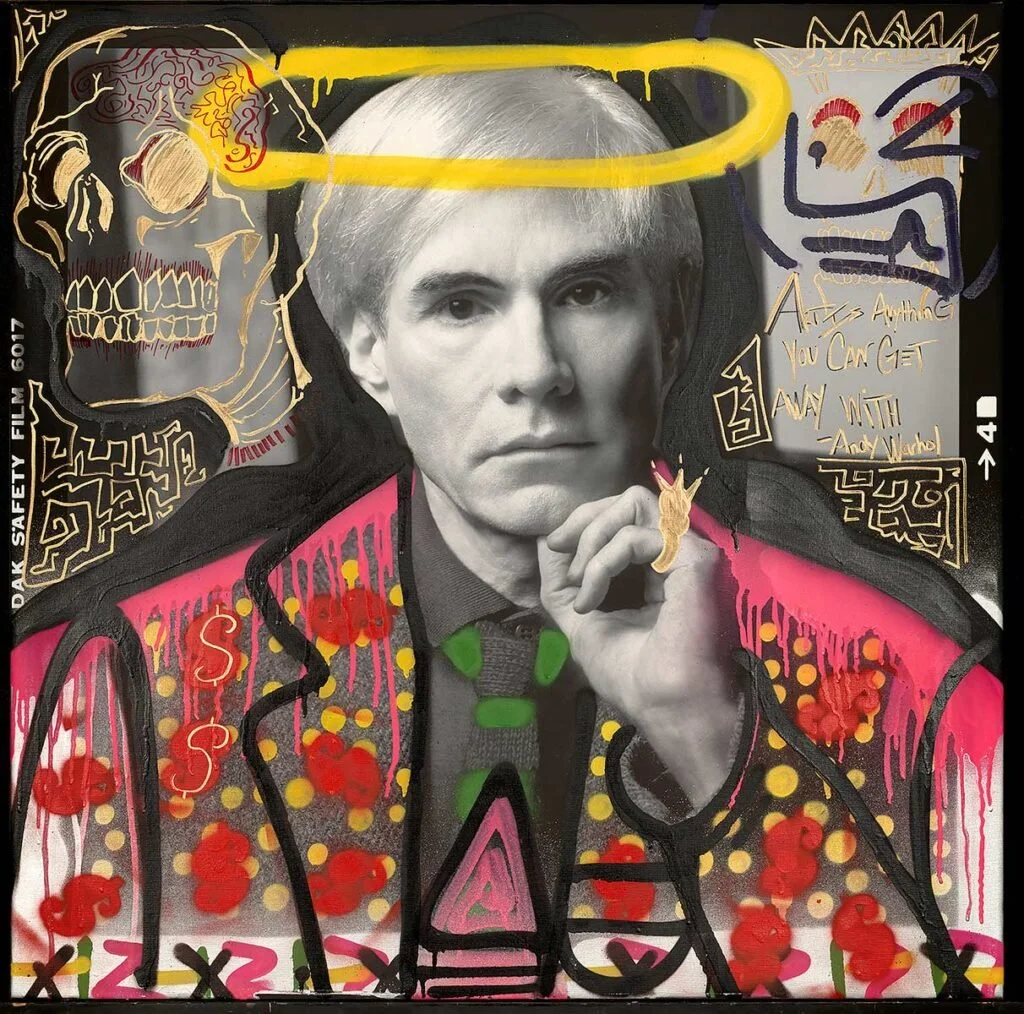
The story behind the "Lost Warhols" is almost cinematic. After rediscovering the negatives from your 1982 portrait session with Andy Warhol, did you immediately sense their significance, or did the scope of the project reveal itself gradually as the journey unfolded?
I photographed Andy Warhol while I was a student at NYU as part of a book project on male models, which I later published. Andy attended my launch party, and I even received a congratulatory letter from Calvin Klein.
Fast forward twenty-eight years and I realized I had lost track of the negatives. In 2011, I suddenly felt compelled to find them. When I finally rediscovered all ten negatives, I was absolutely elated. It was one of those unforgettable moments where you know you've found something truly important.
Did I realize it would evolve into such an extraordinary creative journey? Probably not. What I did know was that the photographs mattered and that they deserved to be seen. Once I commit myself to an artistic mission, I become incredibly focused and fearless. At that point in my life, I also felt a strong need to reconnect with my creativity, and the rediscovery of those images became the catalyst for everything that followed.
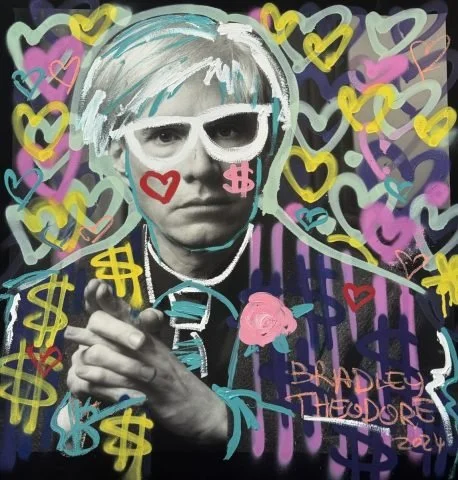
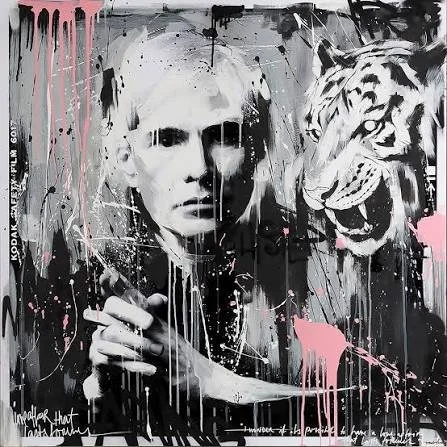
What began as a student photography project ultimately led to a rare and intimate portrait sitting with one of the most influential artists of the twentieth century. Can you take us back to that moment and share what it was like photographing Andy Warhol through your own lens?
Before photographing Andy, I had seen him at clubs throughout New York City and at various art events in SoHo. One day, I came up with the idea of photographing him as a male model, so I called Interview magazine. To my surprise, Andy himself answered the phone.
After he agreed to sit for me, we scheduled a session two weeks later. I arrived with a friend who helped with lighting and a rented Hasselblad camera. Andy was waiting in the conference room wearing a Perry Ellis suit and his signature white wig.
The experience felt surreal. I understood that I was standing in front of one of the most influential artists of our time, but I remained committed to my original concept—photographing him as a model rather than as a celebrity or cultural icon.
One of my favorite moments was when he picked up a small American flag. I instinctively captured the image, and it became one of the defining photographs from the session. Looking back, I feel Andy allowed himself to be unusually open and vulnerable in front of my camera. He trusted me.
At the end of the day, I think Andy wanted to be seen as beautiful. He wanted to be a model, and for a brief moment, that is exactly what he became.
Long before many of them became household names, you photographed actors such as Johnny Depp, Brad Pitt, Robert Downey Jr., Sandra Bullock, Jared Leto, and Drew Barrymore. You seem to possess a remarkable ability to recognize something special in people before the rest of the world does. What drew you to these emerging talents, and what was it like documenting them at the beginning of their journeys?
One of my strengths as a photographer has always been my ability to recognize beauty and potential in people.
After publishing my book on male models, I became increasingly interested in photographing actors whom I believed had unique qualities and promising careers ahead of them. Over time, this led to several additional book projects focused on emerging talent.
For a number of years, I was immersed in the Hollywood scene and had the opportunity to photograph artists such as Brad Pitt, Johnny Depp, Sandra Bullock, Jared Leto, and many others before they became internationally recognized stars. Looking back, it's fascinating to see where their journeys have taken them and to know I was able to document a moment before the world truly discovered them.
Your work exists at the intersection of photography, street art, collaboration, and storytelling. What continues to inspire your creative practice, and what qualities do you look for when choosing the artists and visionaries you collaborate with?
I am drawn to energy, creativity, and people who are as passionate about their work as I am about mine.
The street art movement in Los Angeles has been particularly inspiring because it embraces the idea of art for everyone. As I continue this journey, I meet people from countless backgrounds, cultures, and walks of life, and I am constantly reminded that art has the power to bring people together through creativity, appreciation, and love.
That belief has become one of the driving forces behind my work. I also enjoy pushing boundaries and challenging expectations. I like getting my hands dirty creatively and seeing where experimentation leads.
Ironically, I once hated being photographed. Today, I find myself embracing the camera and even becoming part of the artwork itself. Recently, I collaborated with Lucrative on a photo series in which I was painted entirely in gold. We plan to continue expanding the project, and I love the idea of becoming the art.