

SWOON INTERVIEW
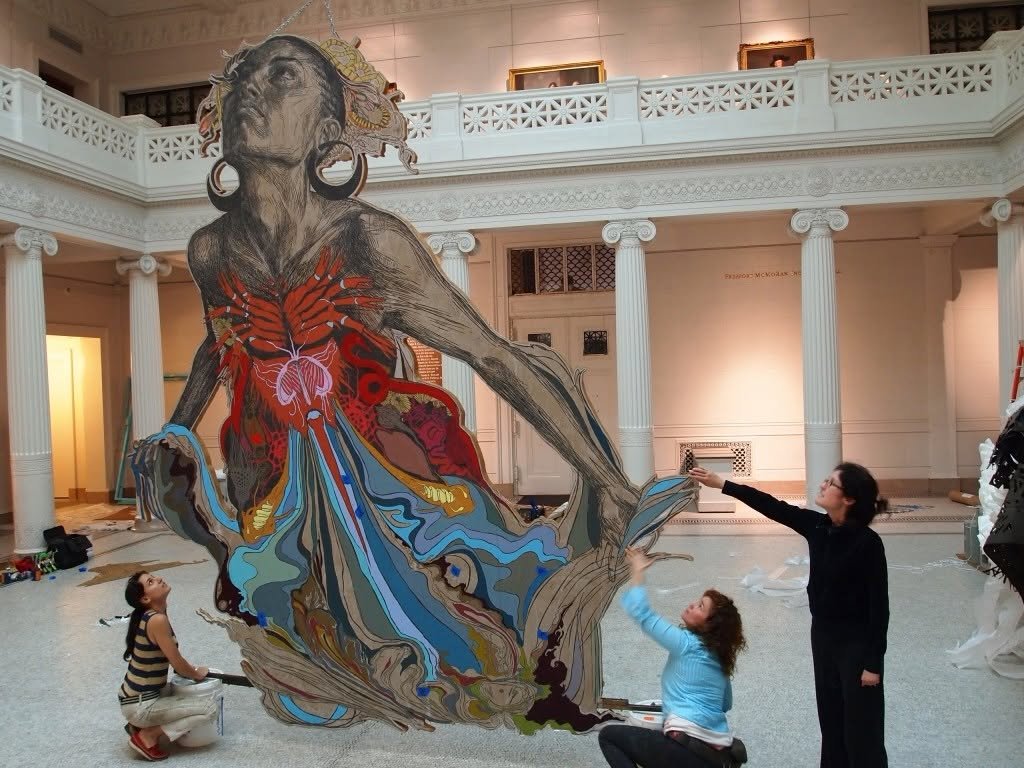
Throughout your career, you've been remarkably candid about your own journey of healing and self-discovery, often encouraging others to confront difficult truths as a pathway toward transformation. As you've evolved personally, have you noticed a parallel evolution in your artistic practice and the stories you feel compelled to tell?
Where I see my personal healing reflected in my work is that I've become more honest. I'm less afraid to portray subject matter that feels a little disturbing, or to explore topics that most people don't want to think about. At first, this was terrifying, but slowly the rewards of digging down into true honesty have begun to far outweigh the fear in myself and the discomfort in others.
Your creative practice extends far beyond drawing and painting, encompassing large-scale installations, community projects, architecture, storytelling, and film. How do you decide which medium is best suited to an idea, and do certain processes fulfill different emotional or creative needs for you?
Specific processes feel more satisfying than others at different times. There have been periods when I became completely obsessed with building things, learning about architecture, and exploring how different construction methods might help alleviate human suffering.
At other times, my attention becomes consumed by storytelling and by figuring out how to navigate the medium of time itself. That's where I find myself now, learning stop-motion animation and filmmaking.
Portraiture feels like it may always remain at the center of my creative world, but I've learned never to assume I know what's coming next. My muse can be unpredictable, and I rarely feel fully in control of where it decides to lead me.
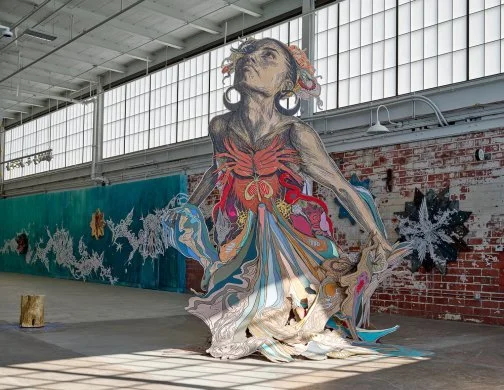
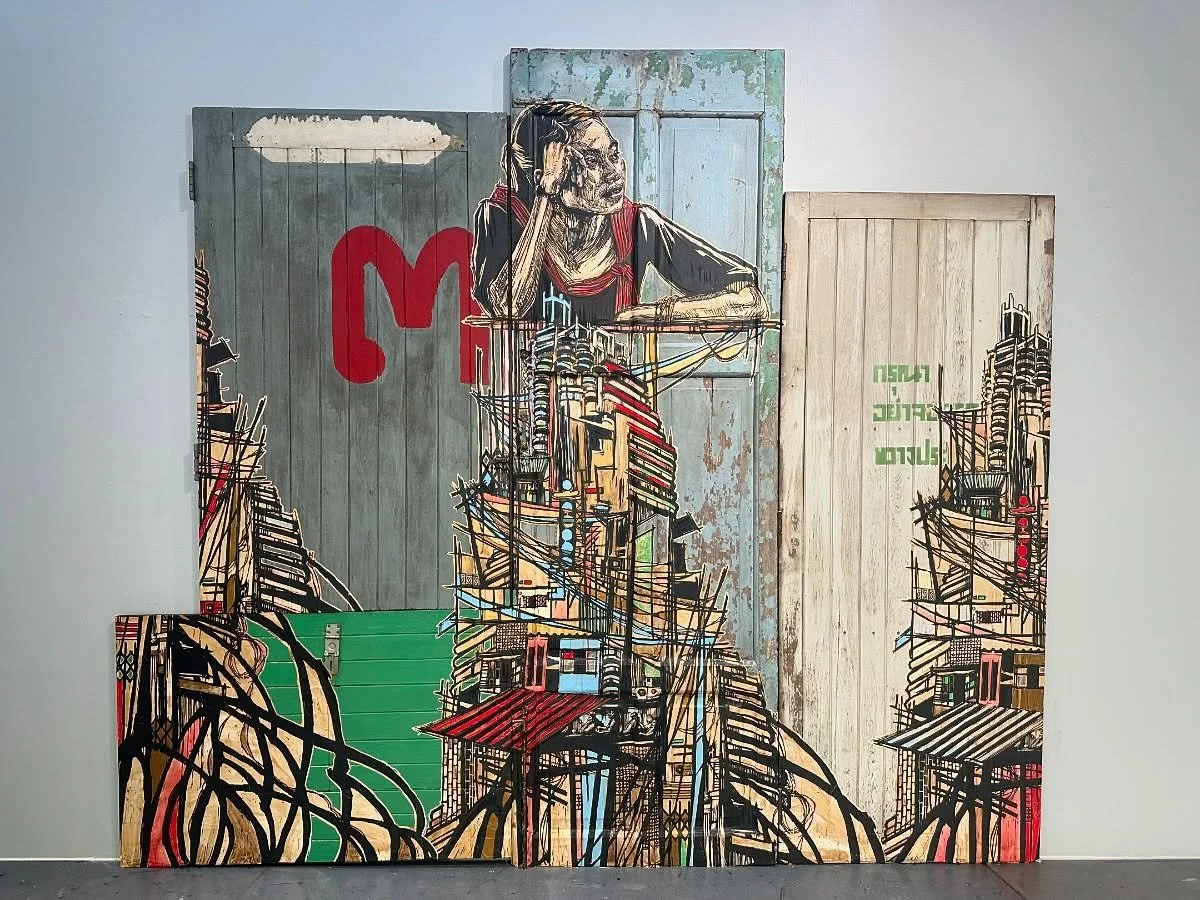
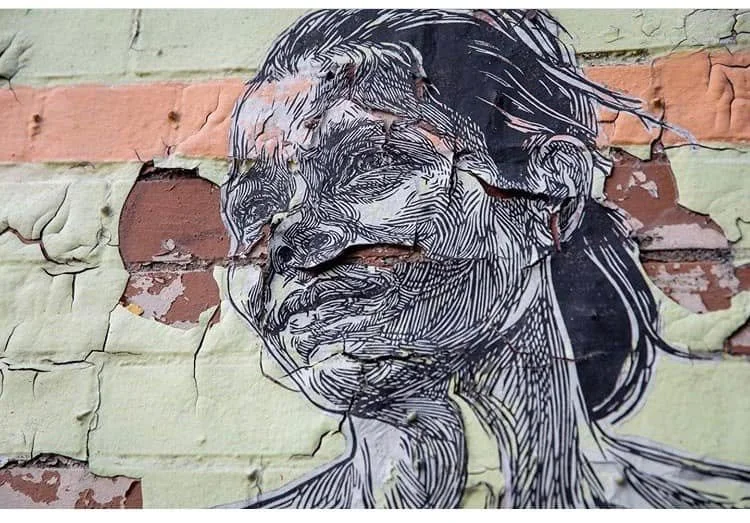
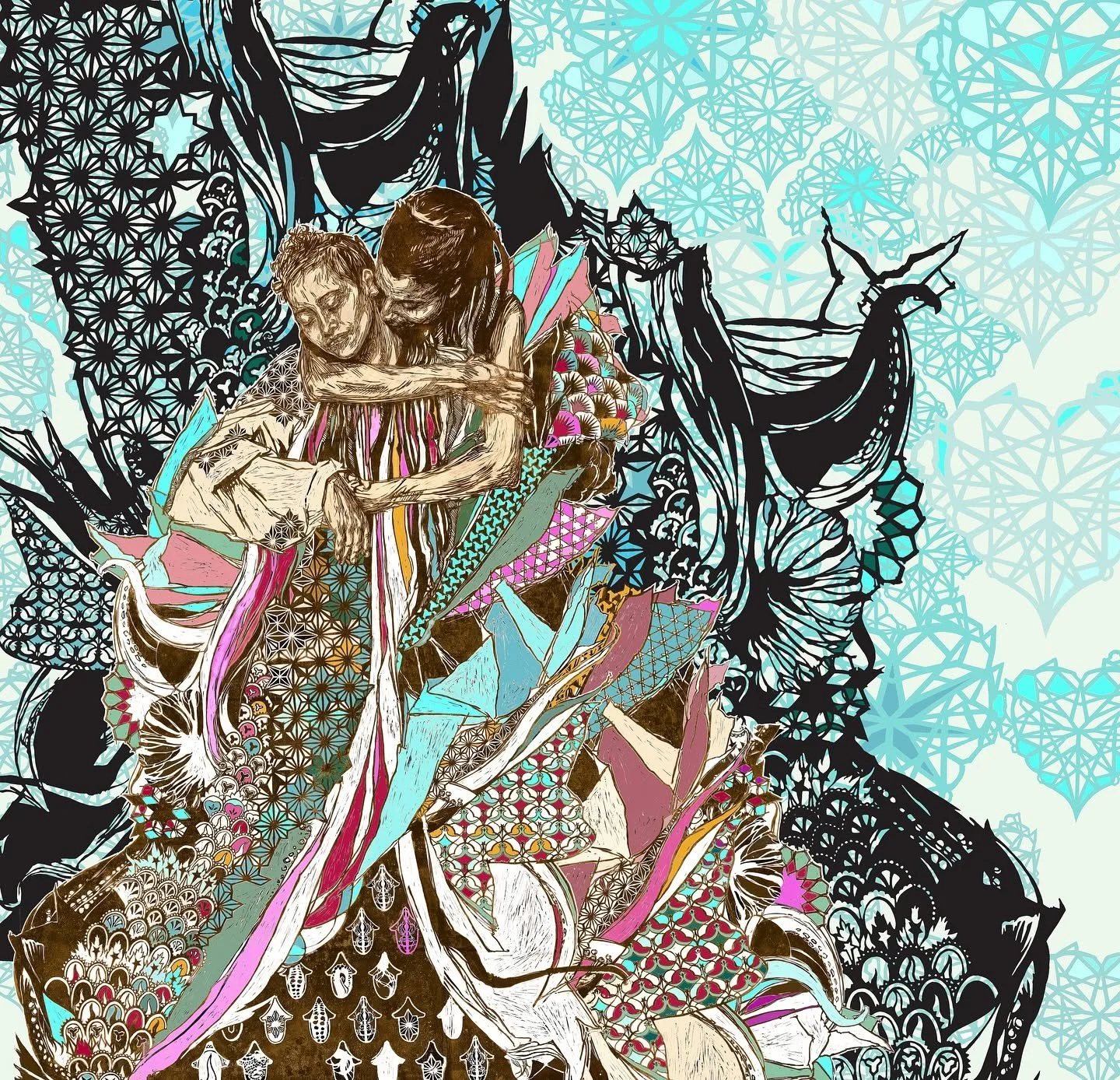
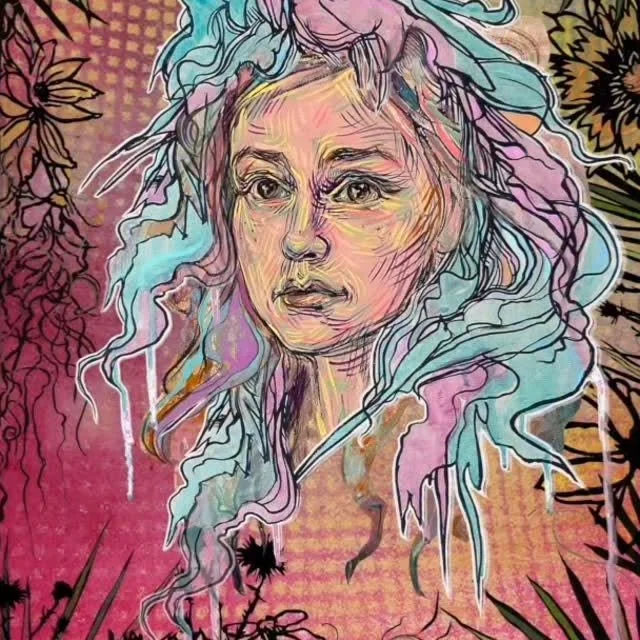
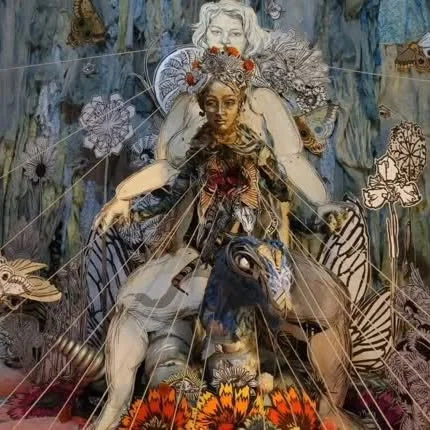
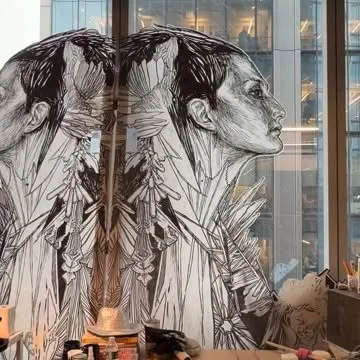
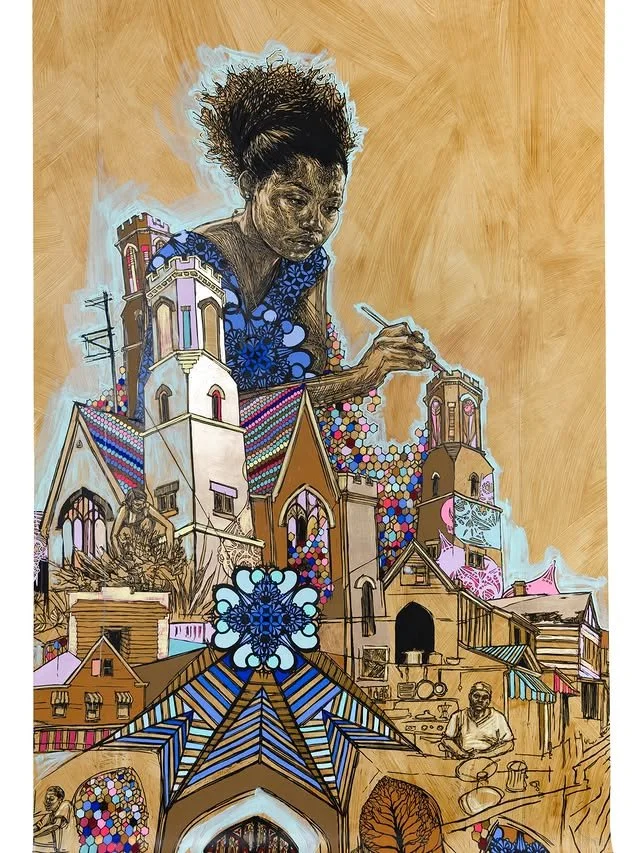
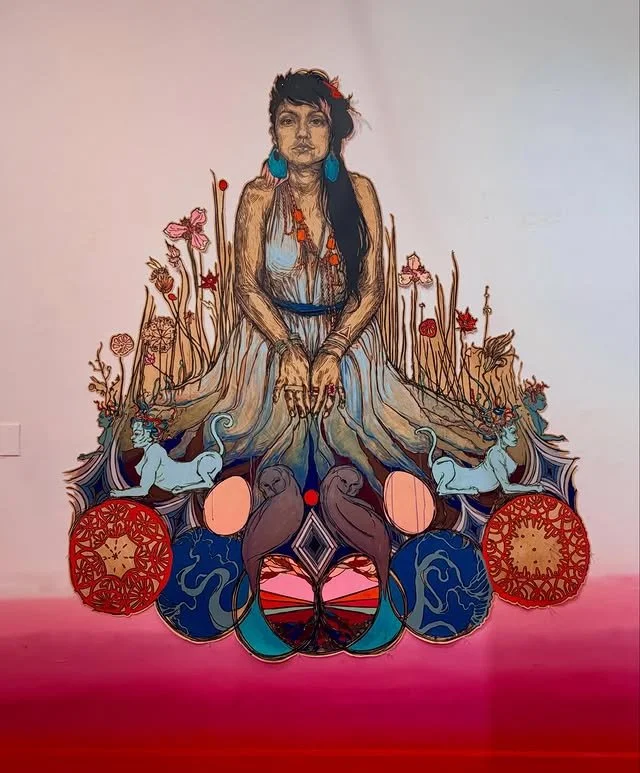
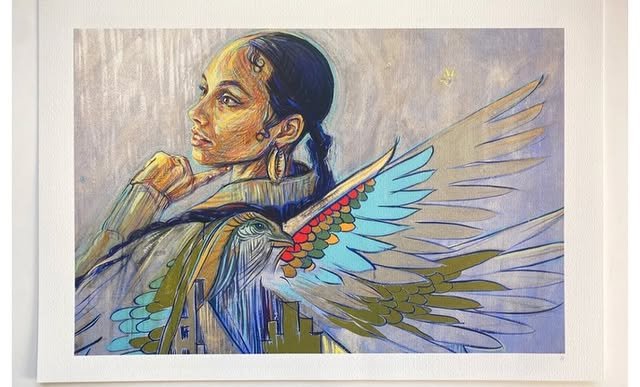
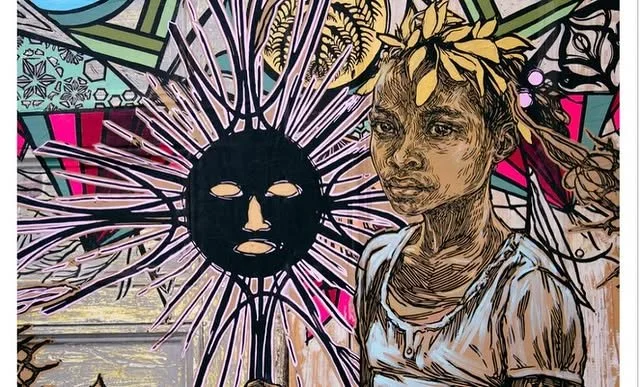
The concept behind Every Portrait is a Vessel is both poetic and deeply human, suggesting that portraiture can hold far more than a physical likeness. Through this body of work, you explore themes of connection, empathy, and the unseen essence of a person. Can you tell us more about the ideas that shaped the series and what you hoped viewers would experience through it?
Since this was my first ever show in the Pacific Northwest, I wanted to give a sense of the breadth of my work. I chose work that spanned a few different eras, as well as choosing a mix of styles and mediums so that people could get a sense of my creative exploration. I like to think of it as giving people a chance to watch you think, via seeing various decisions and processes unfold within the work.
Because the visual work is just one aspect of my creative life, I also gave an artist talk where I shared some of the history of my community-based projects—from the raft projects, to rebuilding efforts in Haiti, and more recently, my work surrounding the opioid crisis and the connection between addiction and trauma.
The core theme of this show, Every Portrait is a Vessel, refers to my hope—however irrational it may sound—that it is possible to transmute energies, emotions, and states of mind directly into form. When I draw a portrait, my deepest desire is to take some of the love I am feeling, some of the bone-marrow-deep respect I have for the humanity of the person I am drawing, and create a container for those emotions through the portrait itself. To transmit something essential about that person—their essence.
Most of all, there is a way of seeing people. It's a state of mind I don't always have access to, but when I do, I feel it is a significant part of my calling. It's a way of looking that peers straight through to the center of someone. An ability to focus on what is inalienably whole and perfect about any human being—regardless of who they are or what they've done.
There are moments when I instinctively feel that every person was born perfect and that inside them, as long as they are alive, there remains an irreducible force of love that illuminates them from within. If I can see it, I can draw it. If I can draw it, perhaps I can amplify awareness of that love and send it out into the world.
Your birthing scene print sparked an unexpectedly beautiful chain of events when a collector anonymously purchased works to gift to strangers. Beyond the artwork itself, the story speaks to larger cultural attitudes toward birth, motherhood, and what we choose to celebrate through art. Can you share the inspiration behind the piece and why this act of generosity resonated so deeply with you?
The birth print is something I created because I believe the images we choose to live with matter. Living alongside images of birth reflects a respect for life, a respect for women, and by extension, a respect for humanity and our place within nature.
The story behind the collector's gesture began when I learned that throughout the history of Western art and art collecting, there has been a strong taboo surrounding images of pregnancy. There are surprisingly few depictions of pregnancy—and even fewer of birth—displayed prominently in museums or major collections.
I've even heard stories of collectors being unable to sell works by Picasso because they depicted pregnant women. Meanwhile, images of violence remain consistently popular and widely celebrated.
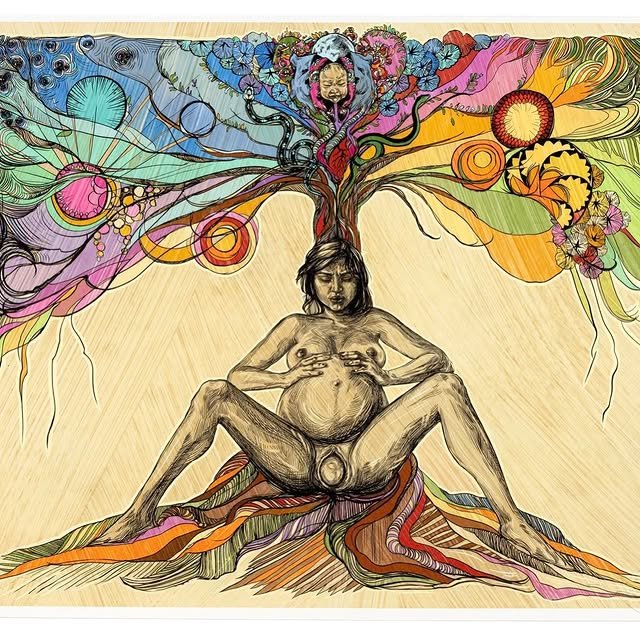
Because of this, I decided to release an affordable print so that people who wanted to live with images of birth could do so. Predictably, very few people purchased it.
When I posted about this online, several people commented that they loved the work but simply couldn't afford to buy art. One of my longtime collectors, who chose to remain anonymous, is someone who deeply understands my work—the easy pieces as well as the difficult ones.
He decided he wanted to help. He reached out and shared a plan to purchase multiple prints and anonymously gift them to people who had commented on the post.
It was such a beautiful gesture. More than anything, it reminded people that there is still so much generosity in the world. That may have been my favorite part of the entire experience.
Your work often channels profound emotional, psychological, and spiritual energy. After completing an immersive project, do you find yourself needing periods of retreat and recovery, or is the act of creating itself what restores and sustains you?
Aww thanks! I guess it depends on what kind of work it is.
When I'm working alone on drawings or more interior projects like stop-motion films, the process itself is deeply meditative and restorative.
What tends to be exhausting is when the work enters the public sphere—large immersive installations, raft projects, community-based initiatives, or anything that involves long periods of collaboration and responding to the needs and expectations of many people.
Whenever I finish one of those projects, I usually need to disappear for a while and recharge.
That said, while the community-based work can be exhausting, it also gives meaning to the more introspective work. The two practices sustain one another, and I would never want one without the other.