

ART BASEL HONG KONG

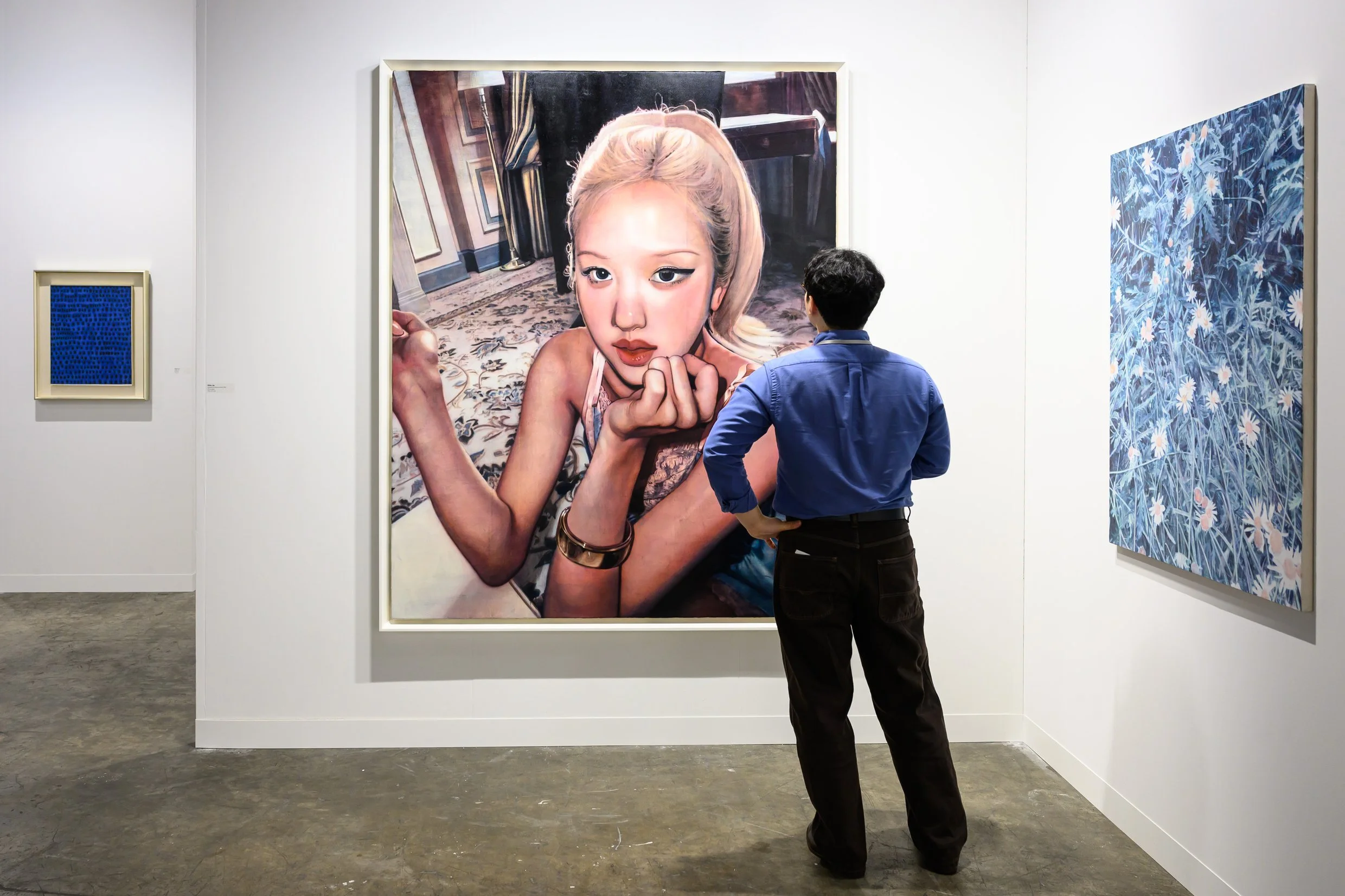


Art Basel Hong Kong 2026 wrapped with strong momentum, reaffirming the fair’s status as one of the most influential contemporary art events in the Asia-Pacific region. With major sales, robust international attendance, and deeper institutional participation, this year’s edition underscored Hong Kong’s continued importance as a global meeting point for artists, galleries, collectors, museums, and cultural leaders.
Held at the Hong Kong Convention and Exhibition Centre from March 27 to 29, with preview days on March 25 and 26, the 2026 edition drew 91,500 visitors. That turnout reflected not only the fair’s global appeal, but also the wider cultural energy unfolding across Hong Kong during fair week. From museum programming to citywide partnerships, the event extended beyond the convention floor and into the broader fabric of the city’s cultural landscape.
Strong Sales Signal Confidence Across Market Segments
One of the clearest takeaways from Art Basel Hong Kong 2026 was the consistency of commercial activity across the fair. Galleries reported steady sales throughout the week, with momentum extending beyond VIP preview days and into the public opening period. Demand was especially strong for artists from Asia-Pacific, while international names also saw significant placements with buyers across the region.
The fair’s commercial success pointed to a more layered and confident collector base. Dealers described active interest from established patrons as well as younger and first-time buyers, suggesting an evolving market shaped by cross-generational engagement. That shift is especially important in Asia, where the collector ecosystem continues to expand in both depth and reach.
Asia-Pacific Collectors Drive Cross-Regional Energy
This year’s edition highlighted the growing strength of the Asia-Pacific market, with collectors attending from Mainland China, Hong Kong, Korea, Taiwan, Japan, and Southeast Asia, alongside visitors from Europe and the United States. The result was a more globally connected buying environment, where conversations and acquisitions crossed borders, generations, and collecting categories.
That international mix continues to distinguish Art Basel Hong Kong from other fairs on the calendar. Rather than serving only as a regional marketplace, the fair increasingly functions as a critical global platform that connects Asia with the wider art world. In 2026, that role felt especially pronounced, as galleries reported meaningful placements with respected private collections, foundations, and institutions from across Asia and beyond.
Institutional حضور Expands the Fair’s Cultural Weight
Art Basel Hong Kong 2026 also stood out for the scale of its museum and foundation attendance. Representatives from more than 170 museums and foundations across 27 countries and territories were present, including major names from Hong Kong, Shanghai, Seoul, London, Paris, New York, Washington, D.C., Singapore, and Abu Dhabi. This level of institutional engagement reinforced the fair’s role not just as a commercial hub, but as a key site of curatorial exchange and long-term cultural dialogue.
That presence matters. When museum leaders, biennial directors, and foundation representatives engage deeply with a fair, it elevates the stakes for artists and galleries alike. It also signals that Art Basel Hong Kong is increasingly shaping conversations around acquisitions, exhibitions, and contemporary art discourse at an international level.
New Curatorial Formats Reflect a Changing Art Landscape
The 2026 edition introduced several developments that reflected broader changes in the contemporary art market. Encounters returned with a renewed curatorial framework, emphasizing ambitious site-responsive works. At the same time, newer formats such as Echoes and Zero 10 expanded the fair’s presentation model, offering more focused, idea-driven sections that responded to shifting patterns in collecting and artistic production.
Zero 10, which made its Asia debut after launching in Miami Beach in 2025, marked a notable step forward for digital and technologically engaged practices within the fair. Rather than treating digital work as peripheral, Art Basel integrated it into a more rigorous curatorial and market context. That move aligned with growing regional interest in cross-media practices and signaled that digital art continues to mature as a serious category for both collectors and institutions.
Echoes added another dimension by spotlighting tightly curated recent works and supporting more concentrated gallery presentations. Its inclusion suggested a growing appetite for focused storytelling and sharper curatorial framing within the fair environment.
Hong Kong’s Cultural Ecosystem Takes Center Stage
Beyond the booths, Art Basel Hong Kong 2026 benefited from the city’s wider cultural momentum. Major partner institutions across Hong Kong activated exhibitions and programming throughout the week, creating a fuller ecosystem around the fair. Collaborations with organizations including M+, Tai Kwun Contemporary, the Hong Kong Museum of Art, the Hong Kong Palace Museum, Videotage, and even Hong Kong Ballet helped position the fair within a broader civic and cultural network.
This citywide integration is part of what gives the Hong Kong edition its distinct identity. The fair is no longer experienced as an isolated marketplace. Instead, it operates as a central node in a much larger exchange between public institutions, private galleries, collectors, artists, and audiences. That layered structure strengthens Hong Kong’s position as a year-round cultural destination, not just a fair-week hotspot.
A Long-Term Commitment to Hong Kong
One of the major announcements tied to the 2026 edition was a new five-year collaboration between Art Basel and Hong Kong’s Culture, Sports and Tourism Bureau. The agreement signals a strong long-term commitment to the city and reinforces Hong Kong’s role as a leading international art hub in Asia.
That move comes at a meaningful moment. As the global art market continues to shift and diversify, sustained institutional and governmental support will be essential to maintaining Hong Kong’s competitive edge. The renewed partnership suggests confidence in the city’s future as a place where commerce, culture, and international exchange continue to intersect.
Why Art Basel Hong Kong 2026 Matters
Art Basel Hong Kong 2026 was not simply a successful fair. It was a signal of where the contemporary art world is heading. The event captured the growing influence of Asia-Pacific collectors, the rise of new buyer demographics, the increasing legitimacy of digital and cross-media practices, and the importance of strong institutional participation in shaping market and curatorial narratives.
For galleries, the fair delivered results. For museums and curators, it offered a rich site of discovery and dialogue. For Hong Kong, it reinforced the city’s position as one of the art world’s most important crossroads. And for the broader global market, it showed that Asia is not simply part of the conversation—it is helping define the future of it.
Looking Ahead to 2027
With the 2026 edition now closed, attention will turn to next year’s fair, set to take place from March 25 to 27, 2027. If this year proved anything, it is that Art Basel Hong Kong remains a vital force in the international art calendar—one that continues to evolve alongside the market it helps shape.