

FRIEZE LA 2026: THE WEST COAST’S CONTEMPORARY ART FESTIVAL
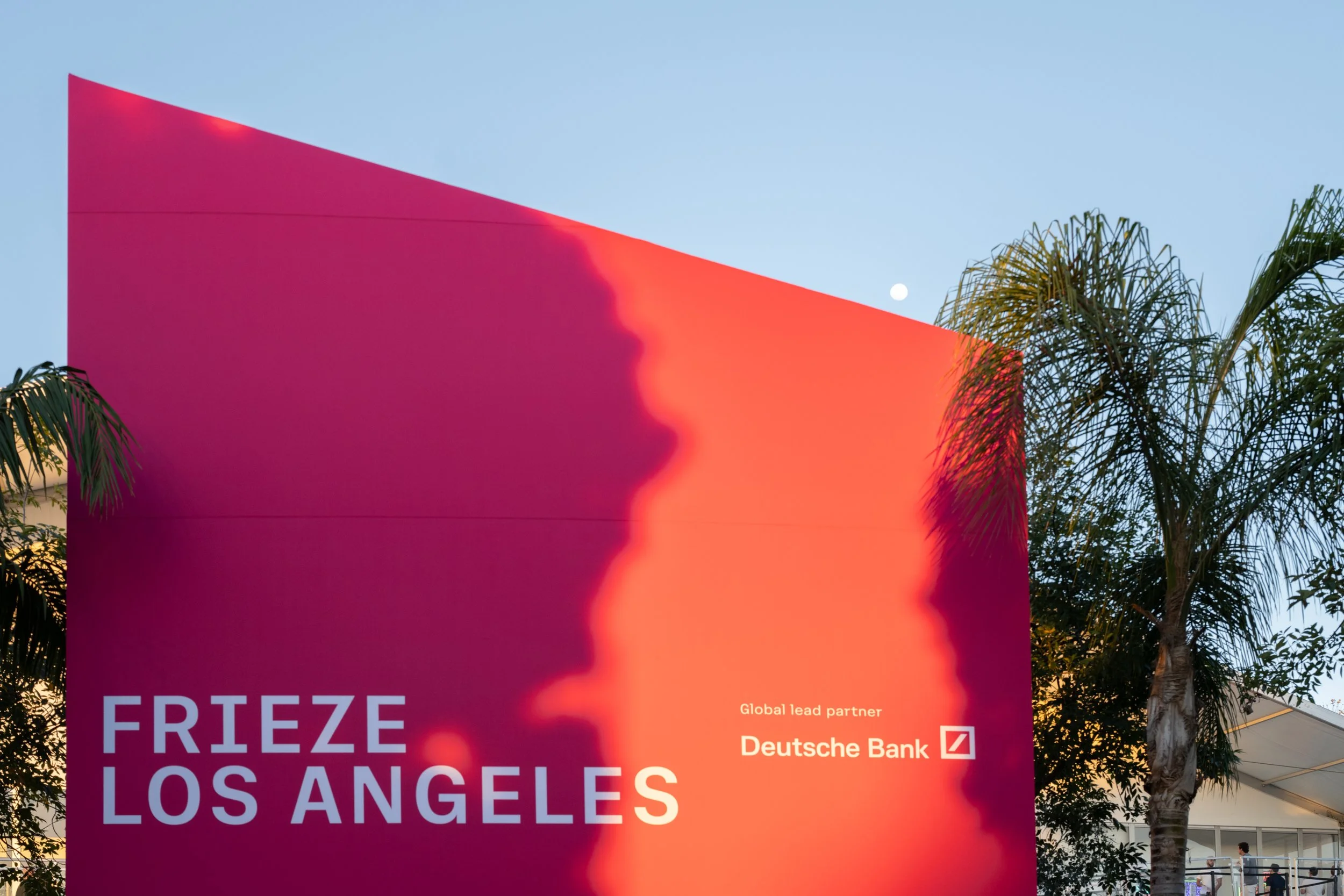
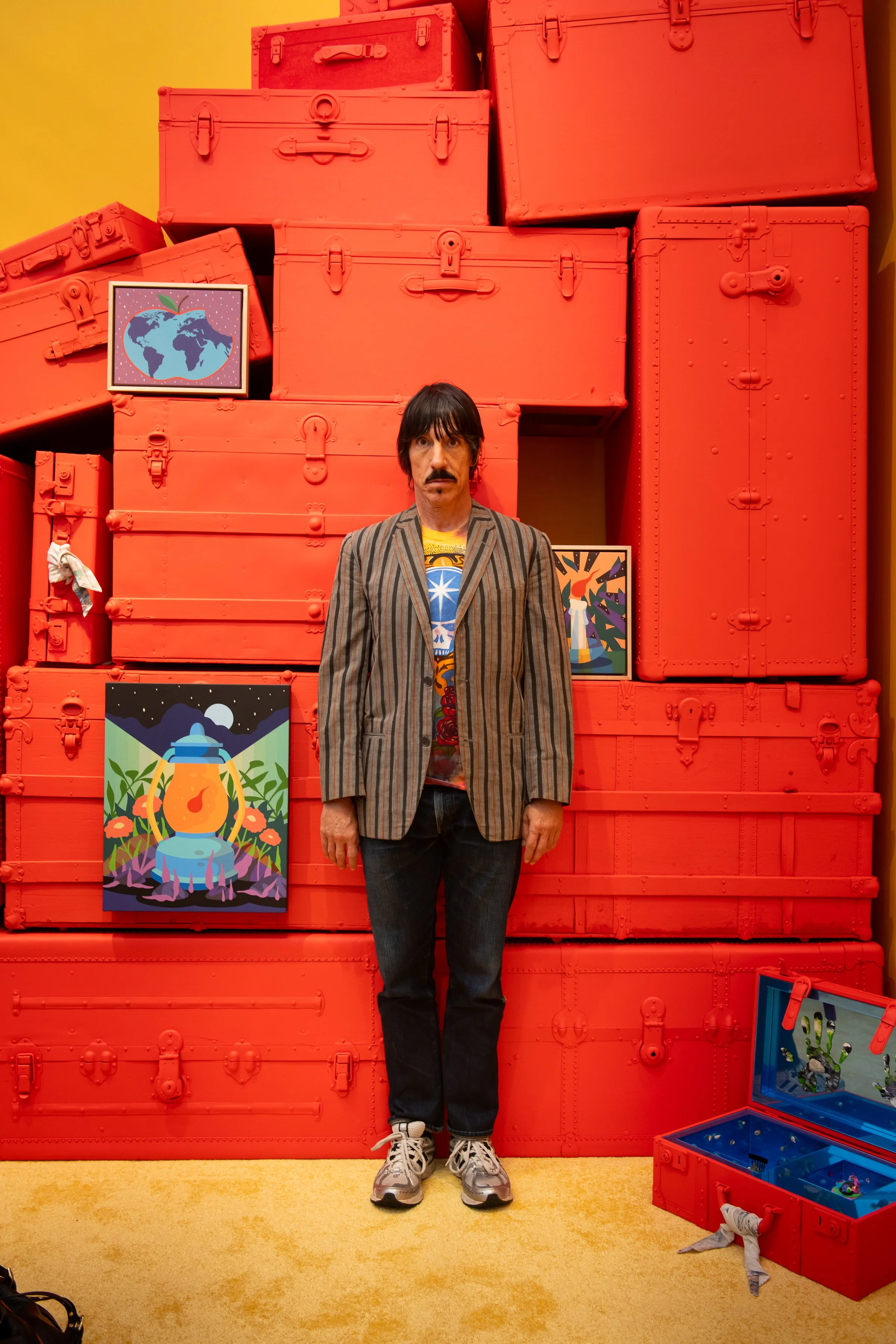
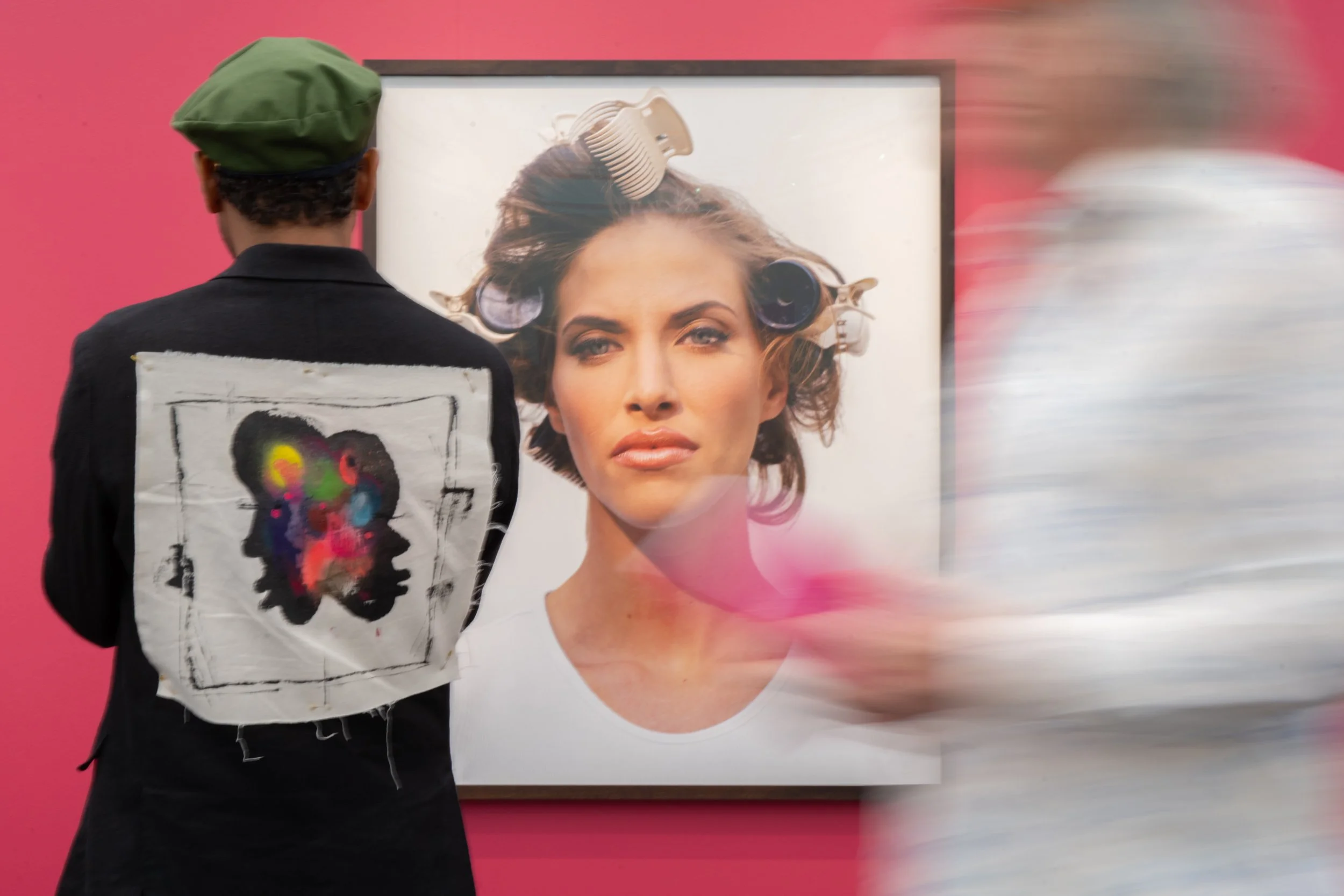
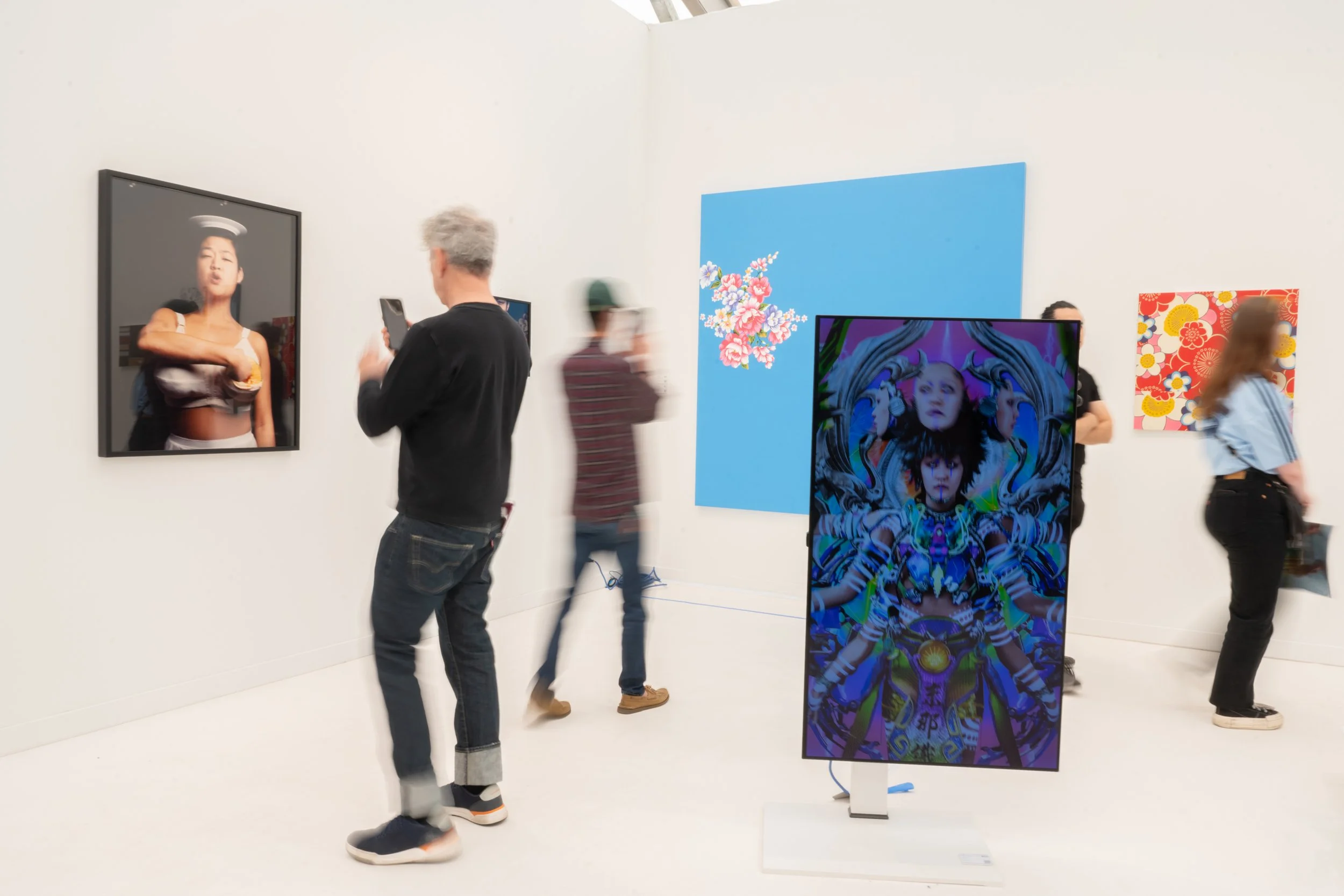
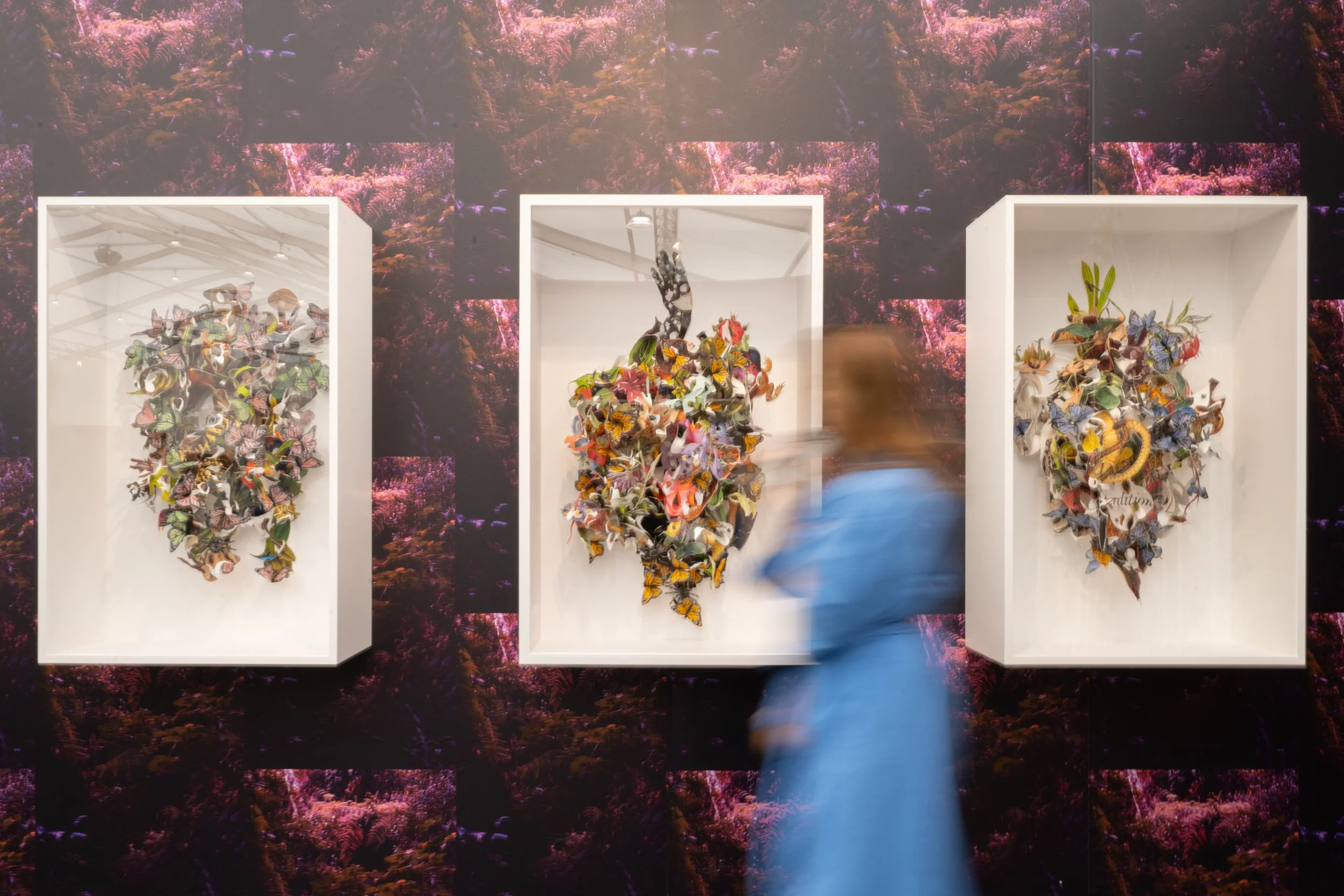
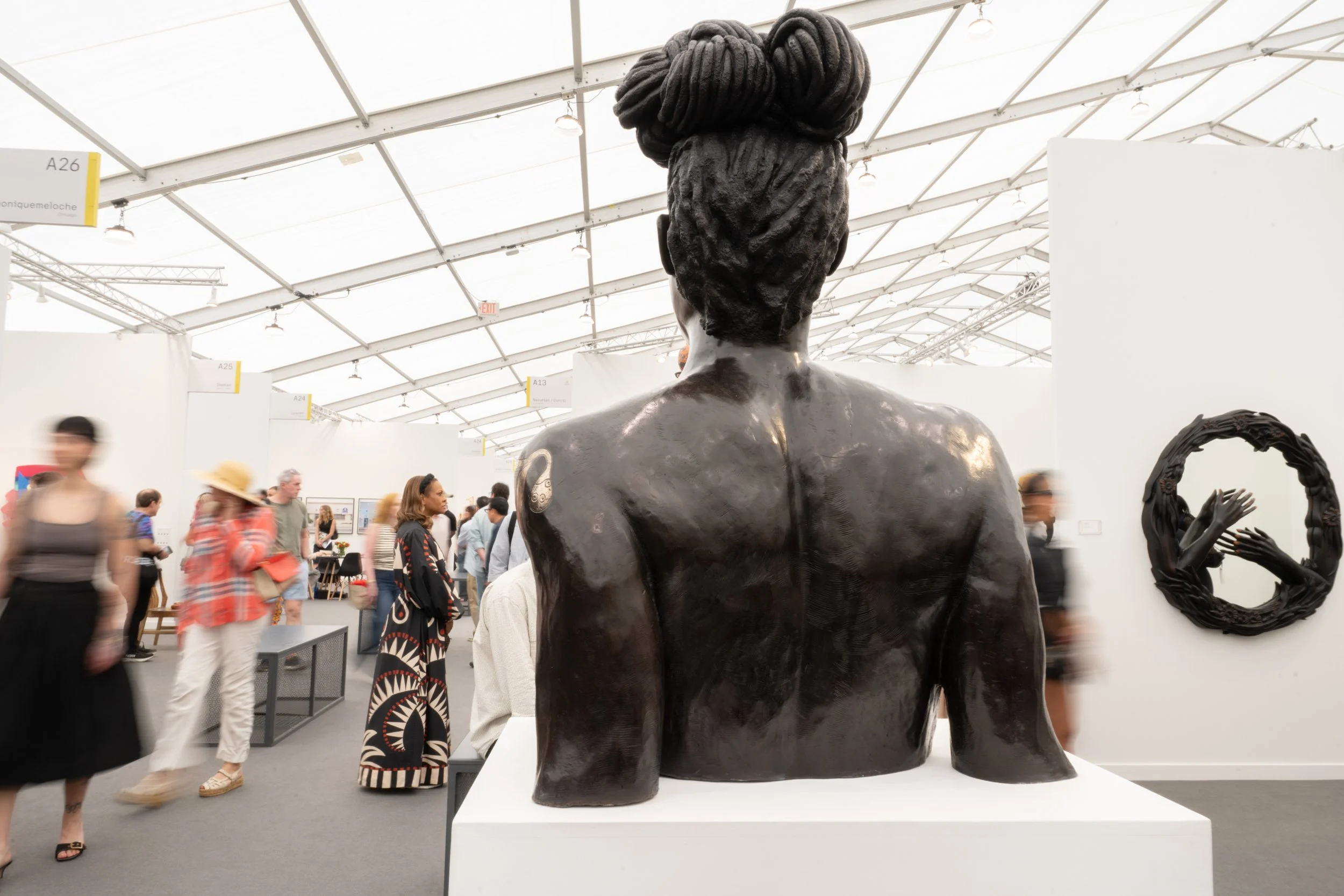
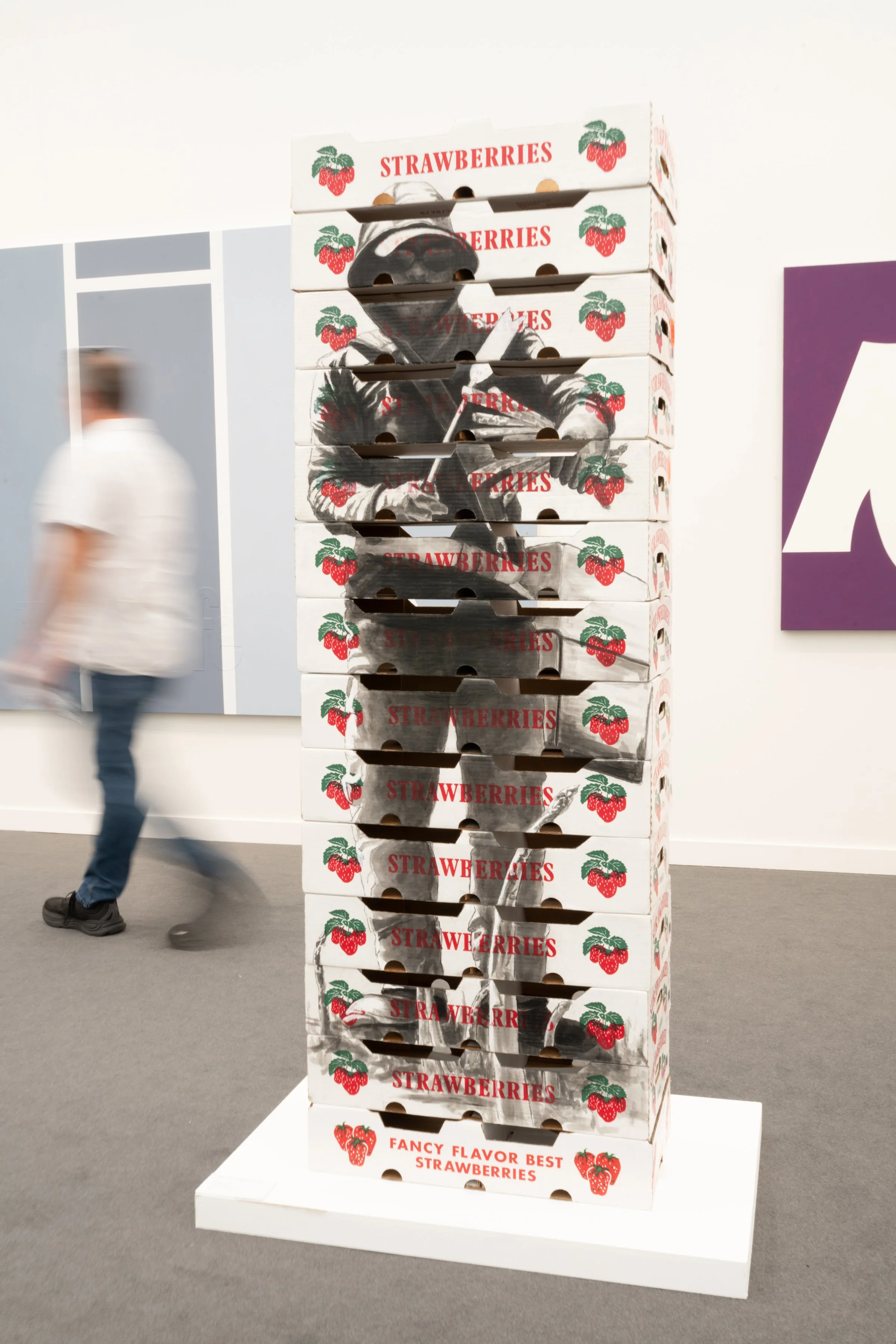
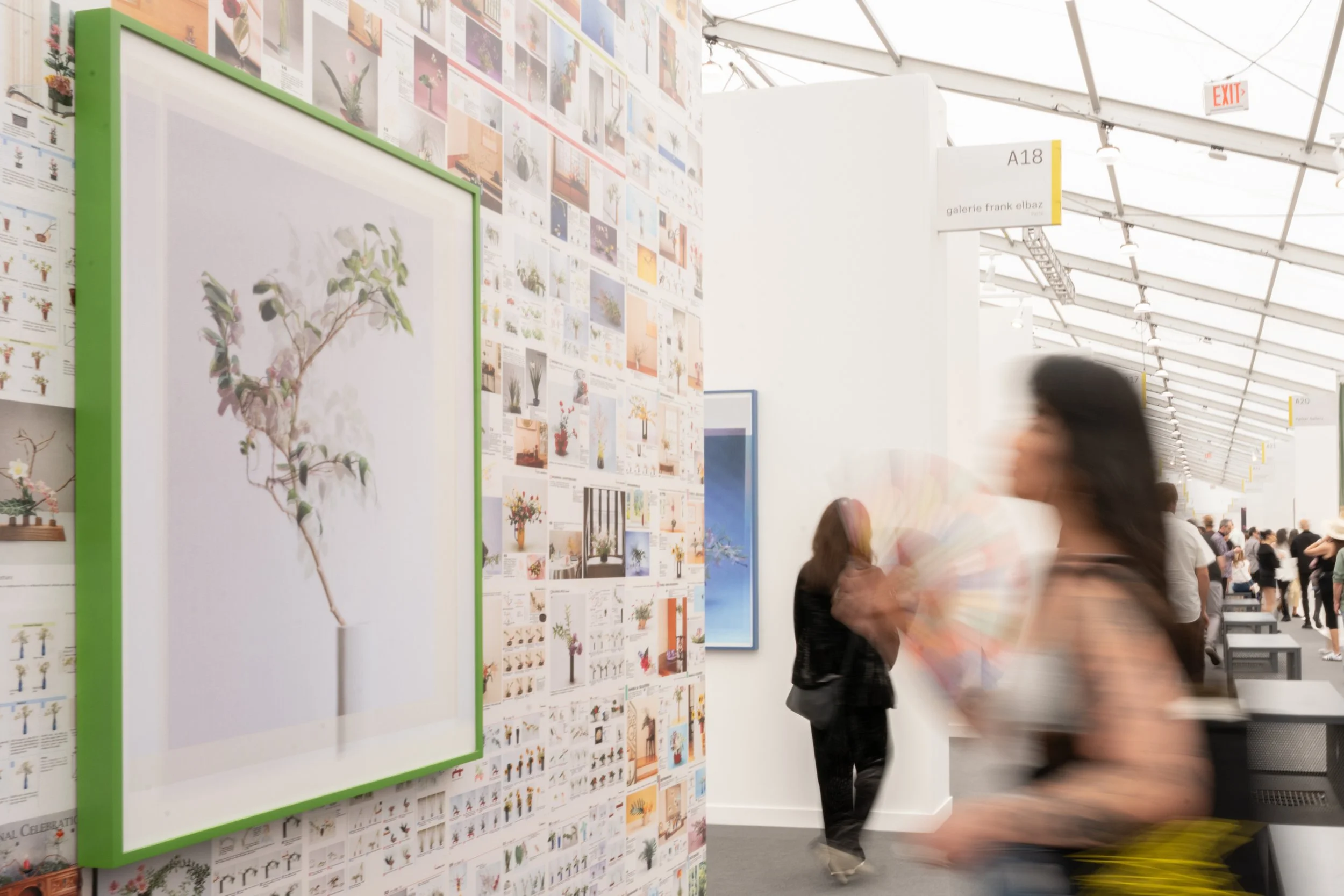
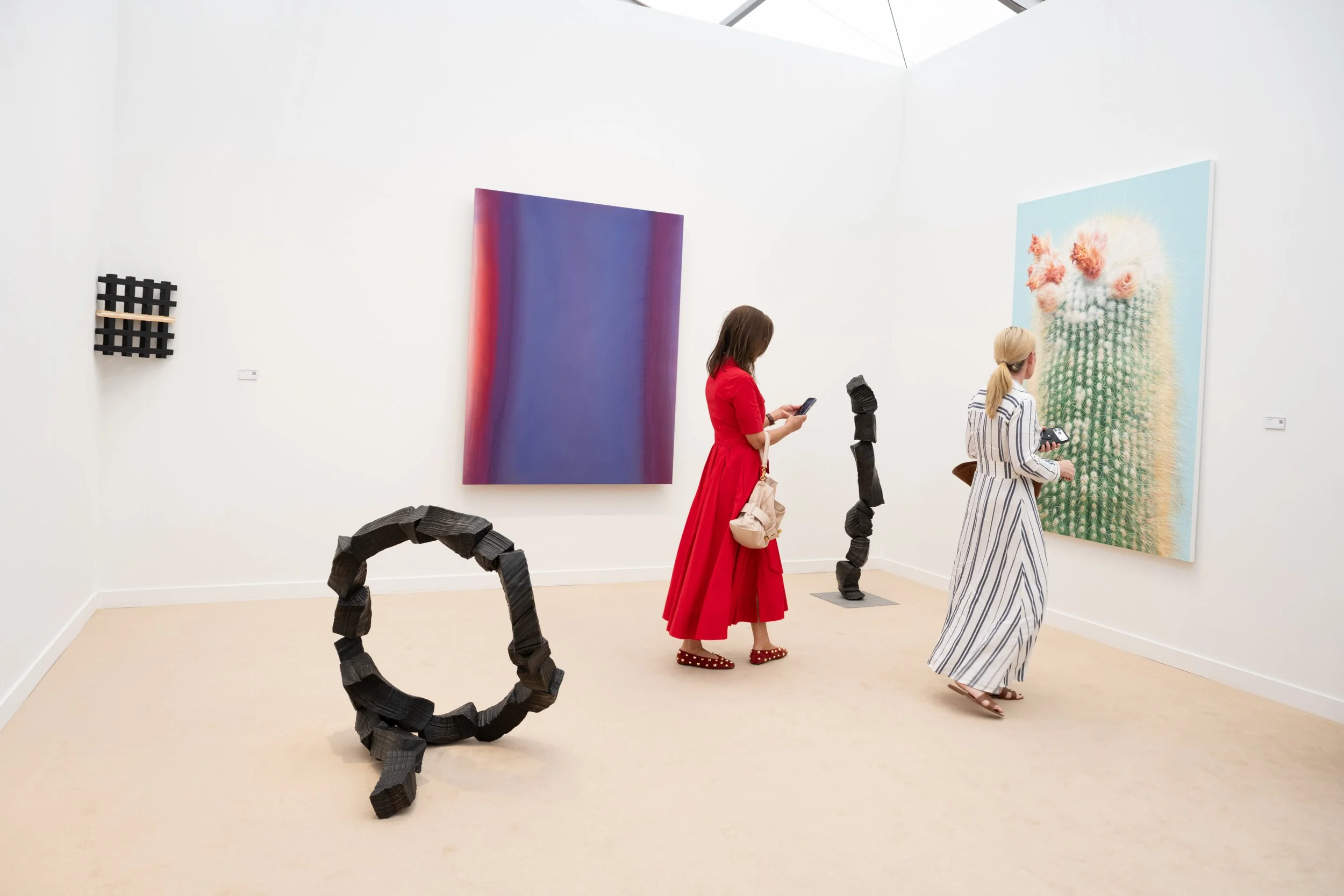
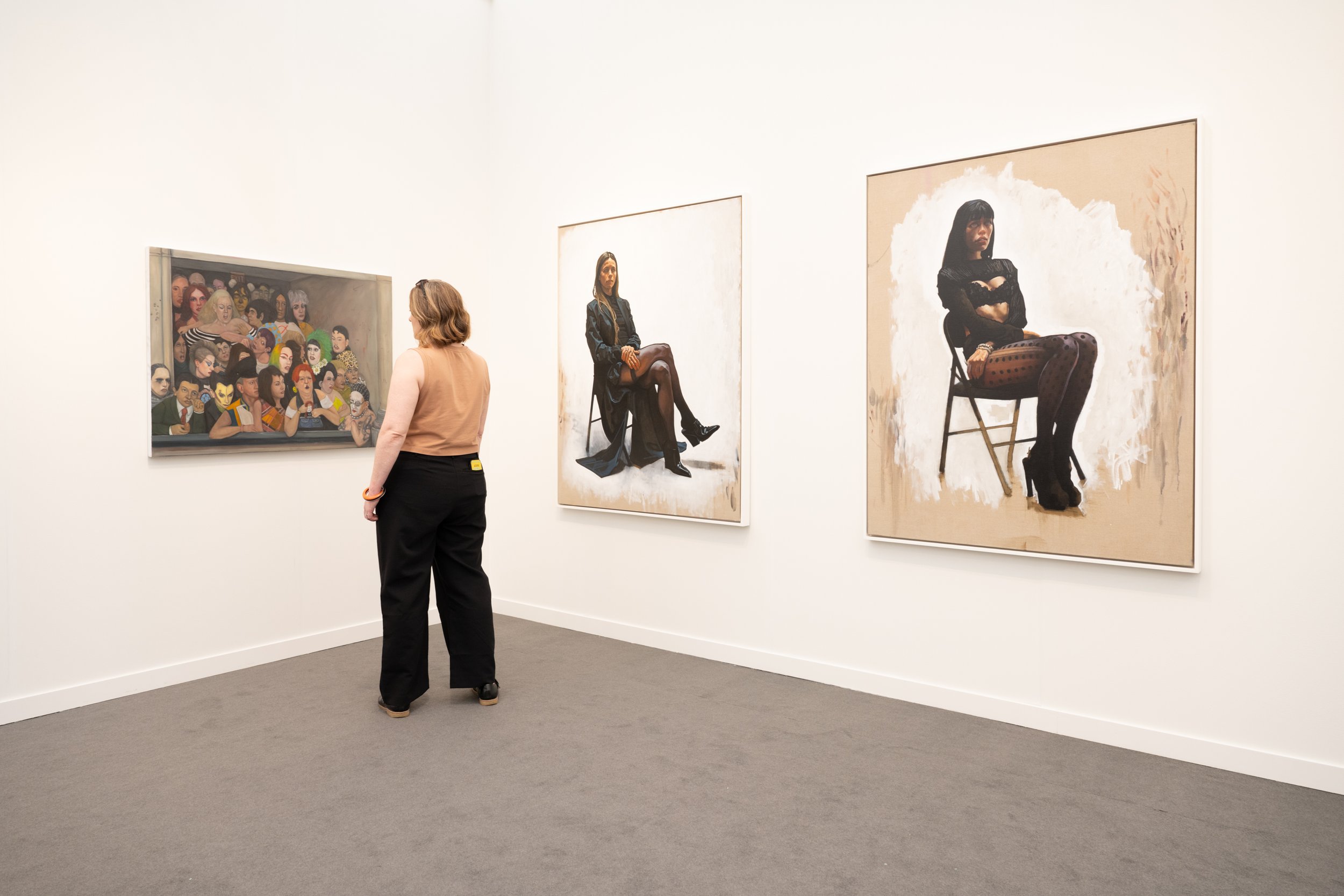
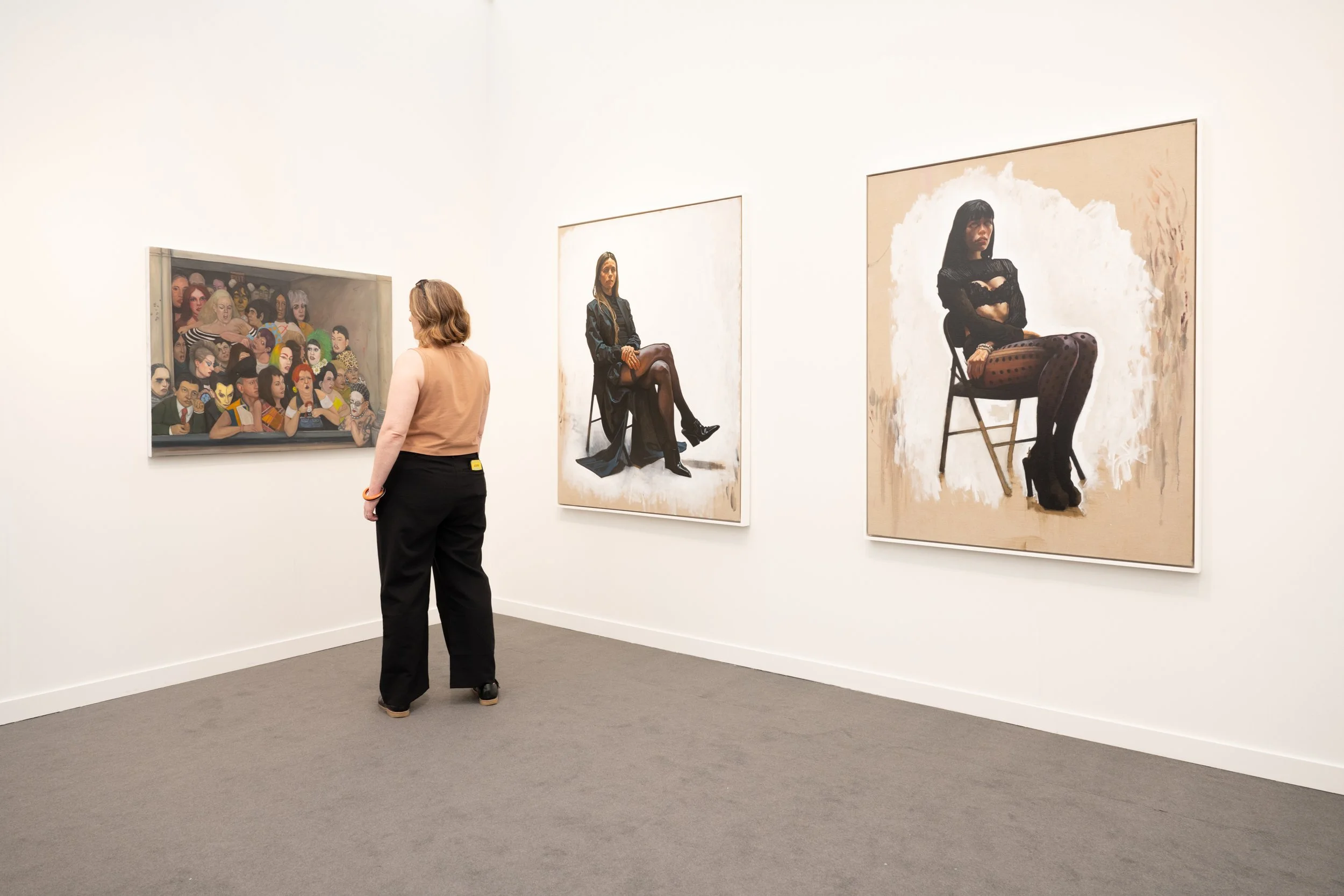
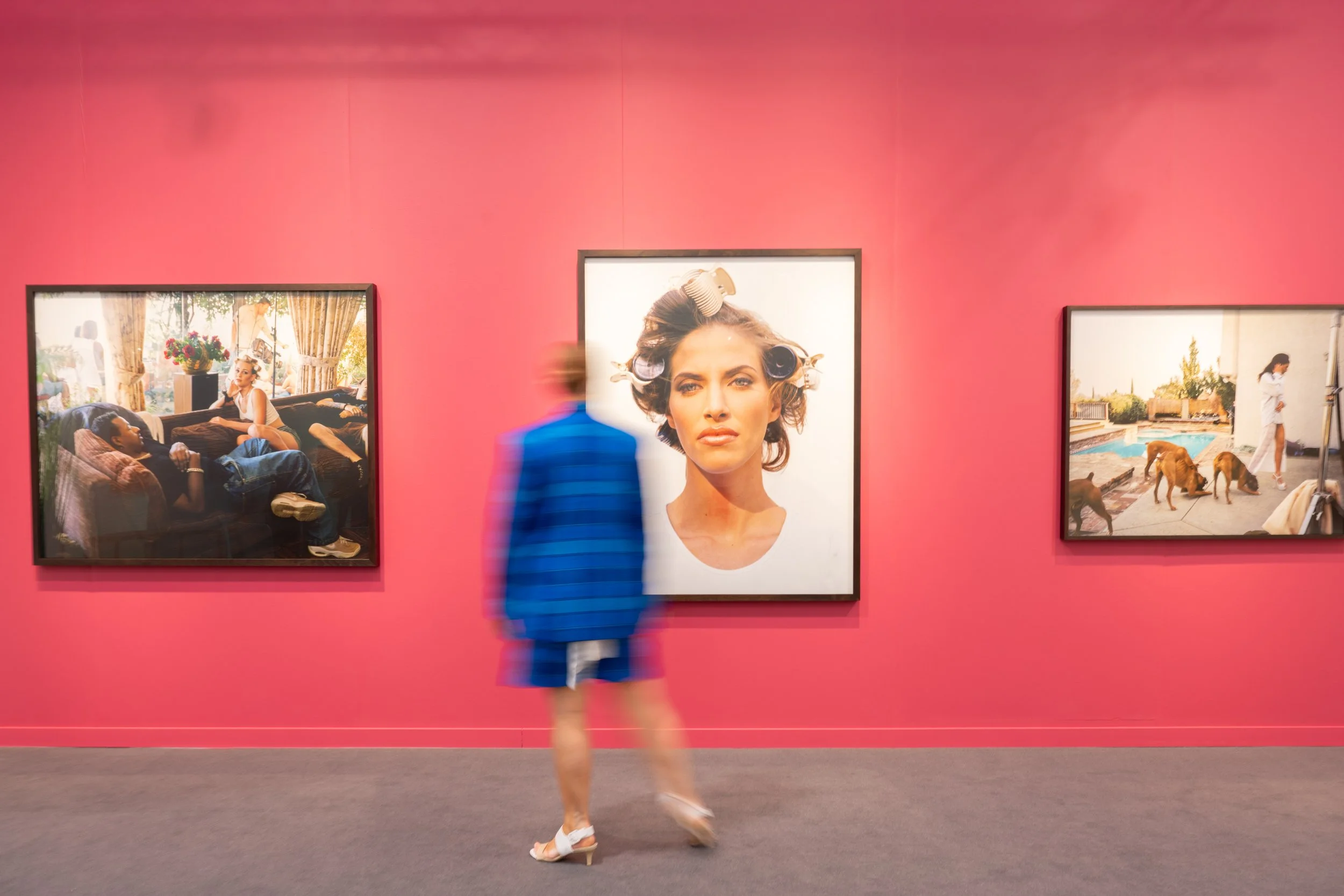
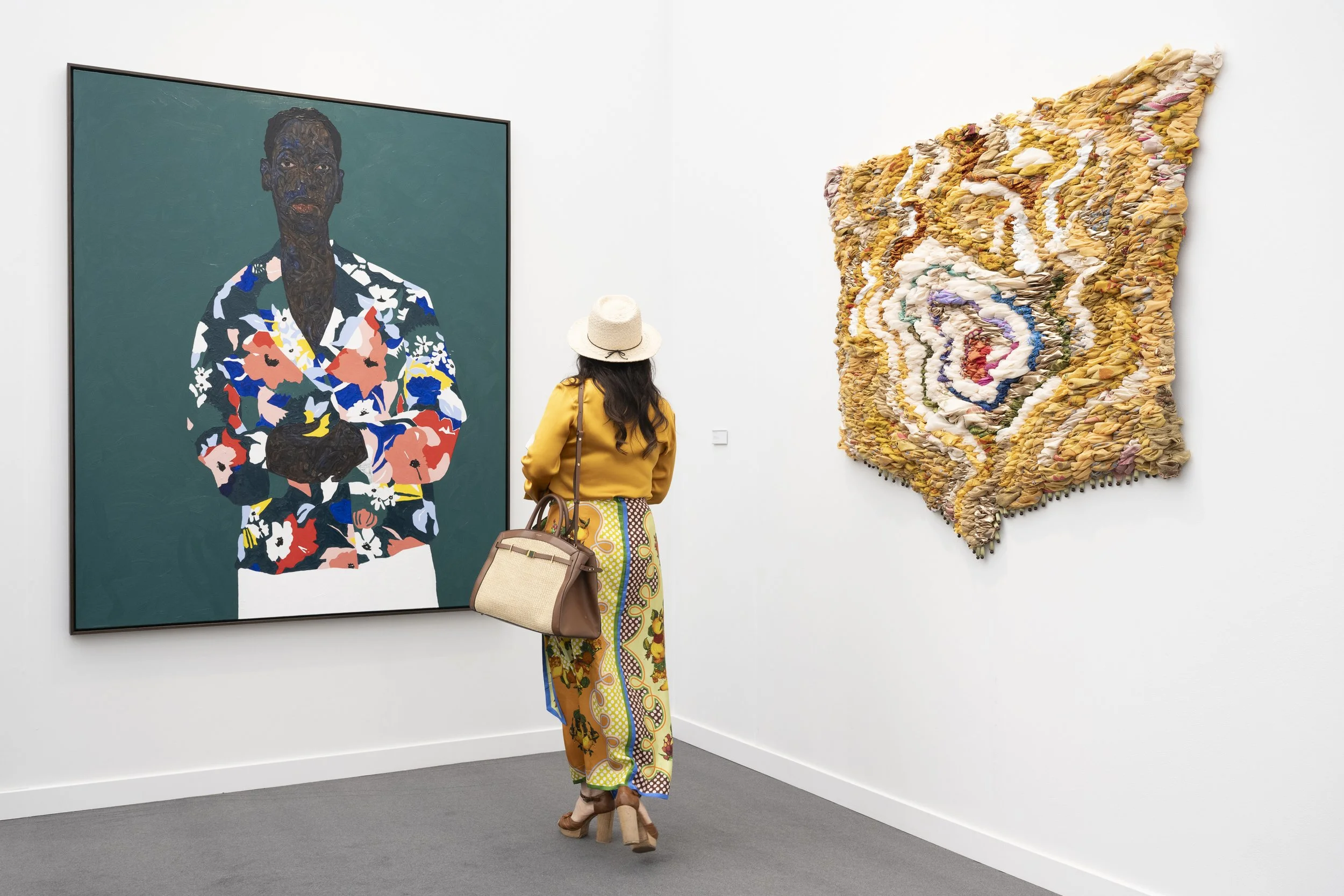
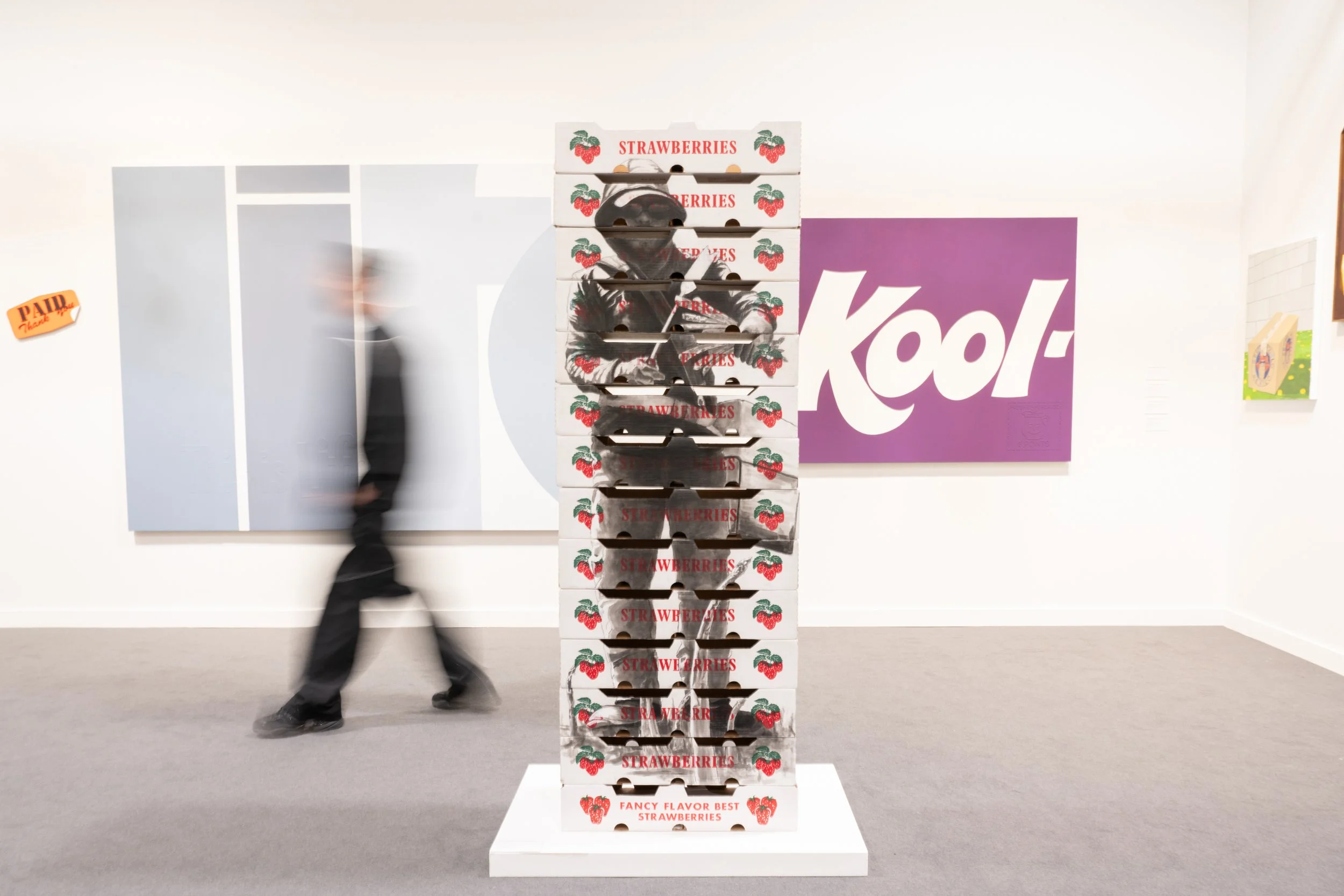
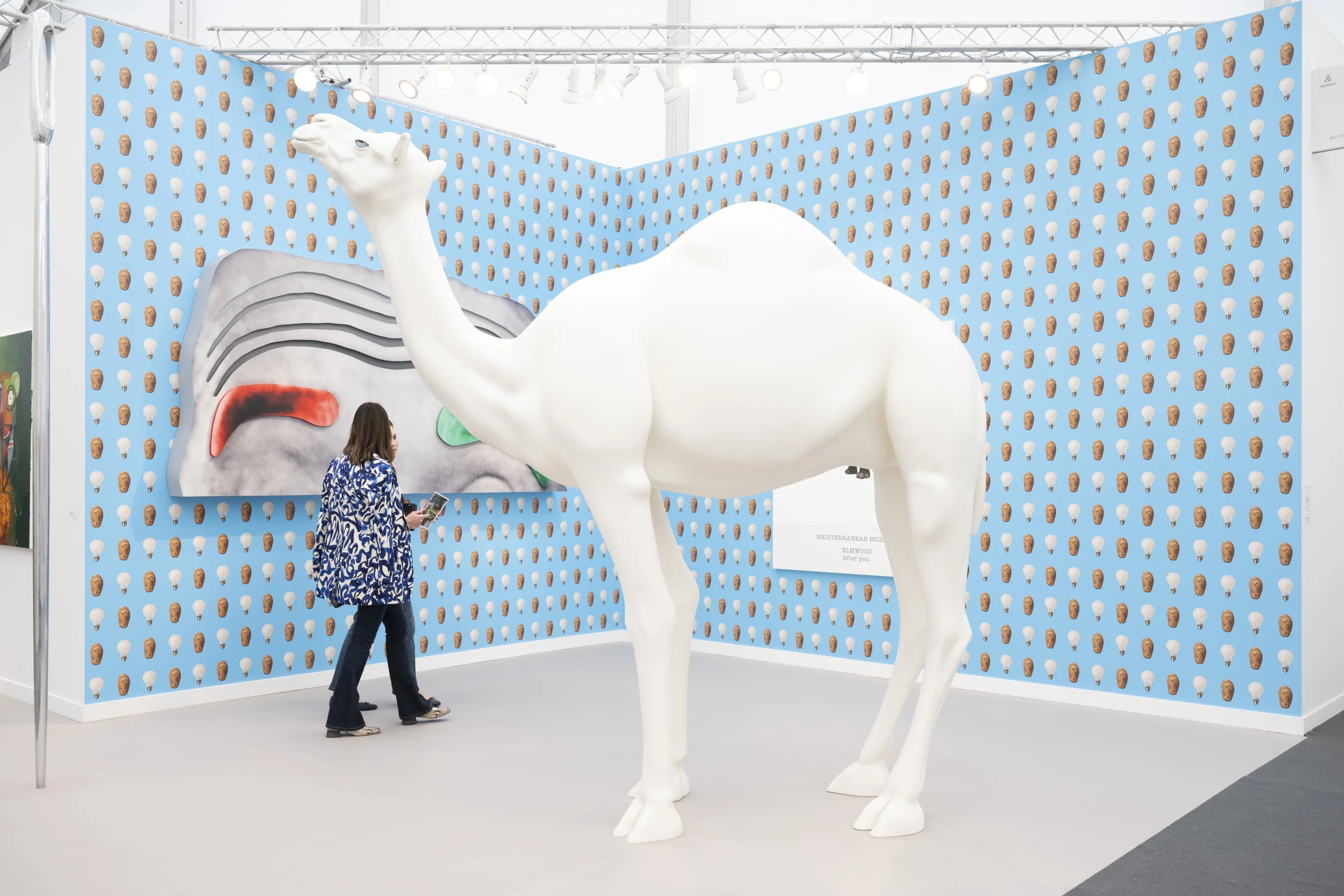
The art world’s spotlight turned west once again as Frieze Los Angeles took over the iconic Santa Monica Airport from February 26 through March 1, 2026. Now in its seventh edition, Frieze LA reaffirmed its place as one of California’s most anticipated cultural events, drawing global galleries, influential artists, collectors, and art lovers from around the world for a dynamic week in the sun.
A Unique Art Destination in Santa Monica
Set against the backdrop of the historic Santa Monica Airport, Frieze LA once again transformed the expansive site into a fluid indoor-outdoor art experience that felt unmistakably Los Angeles. The fair’s open layout encouraged discovery, conversation, and cross-pollination — mirroring LA’s eclectic, experimental spirit.
Inside the tented structures and throughout the surrounding spaces, contemporary works unfolded in dialogue with the city’s light, landscape, and laid-back edge, reinforcing Frieze LA’s reputation as the most relaxed — yet culturally potent — stop on the global fair circuit.
Global Galleries, Local Spirit
Frieze LA 2026 brought together more than 95 galleries from over 22 countries, presenting a sweeping view of contemporary art and design. International powerhouses including Gagosian, Hauser & Wirth, and Pace Gallery anchored the fair with blue-chip strength, while leading Los Angeles galleries such as David Kordansky Gallery and Château Shatto reinforced the city’s powerful local presence.
First-time participants — including El Apartamento, Cardi Gallery, and Lomex — added fresh international energy, while returning exhibitors from Europe, Asia, Africa, and the Americas delivered ambitious presentations that sparked conversation throughout the weekend.
Focus: Emerging Voices and Bold Ideas
One of the fair’s standout sections was Focus, curated by Essence Harden. Dedicated to emerging galleries operating for 12 years or less, the platform highlighted experimental solo presentations that pushed material and conceptual boundaries.
Supported by Stone Island, Focus once again proved to be a vital incubator for new voices redefining contemporary practice — from immersive installations to politically charged mixed-media works. Collectors and curators alike gravitated toward this section, confirming its growing importance within the fair’s ecosystem.
Citywide Programming & Public Art
Frieze LA extended far beyond the airport grounds, unfolding across the city in collaboration with non-profit partners such as Art Production Fund. Public art installations activated unexpected spaces throughout Los Angeles, offering free and open access to ambitious works that reflected the city’s cultural pulse.
These projects bridged the gap between institutional and grassroots energy — a reminder that in LA, art doesn’t live in isolation; it spills into streets, parks, and public imagination.
A Citywide Cultural Playground
Frieze Week once again turned Los Angeles into a full-scale art destination. Major exhibitions and events at institutions like Museum of Contemporary Art Los Angeles, The Broad, Hammer Museum, and Los Angeles County Museum of Art created a powerful satellite effect, drawing international visitors deeper into the city’s cultural fabric.
Galleries across Hollywood, Downtown, and the Westside hosted openings and late-night gatherings, reinforcing Los Angeles’ role as a global contemporary art capital.
The Energy of 2026
The fair opened with a high-profile preview on February 26 before welcoming the public from February 27 through March 1. Throughout the weekend, conversations, curated activations, and packed aisles underscored Frieze LA’s continued growth — not just as a marketplace, but as a cultural moment.
From blue-chip presentations to emerging disruptors, Frieze Los Angeles 2026 delivered a layered, immersive experience that captured the bold, boundary-pushing energy of the city itself. It wasn’t simply an art fair — it was a celebration of contemporary creativity at full scale.