

“HEATERS”
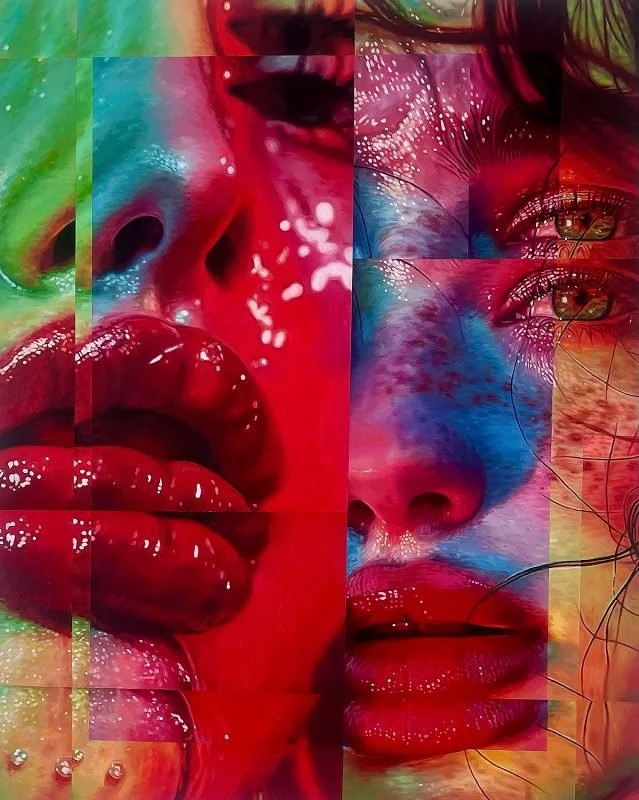
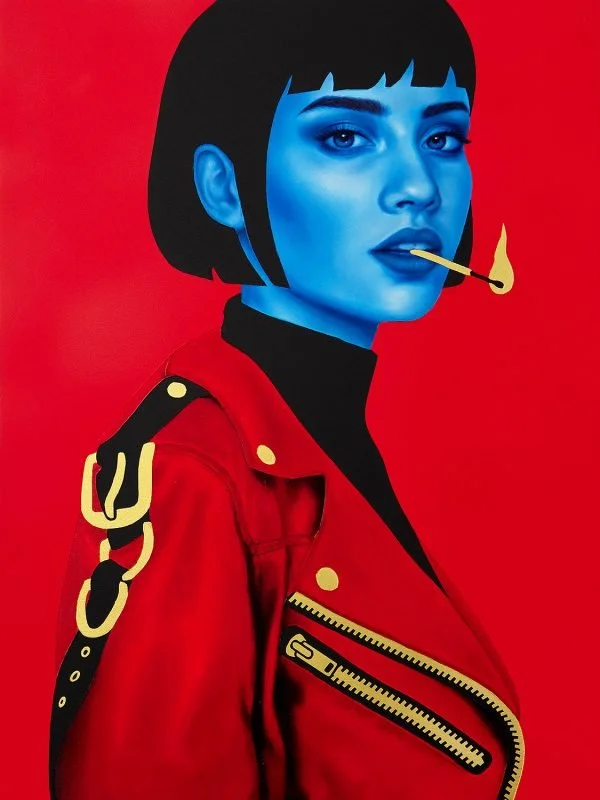
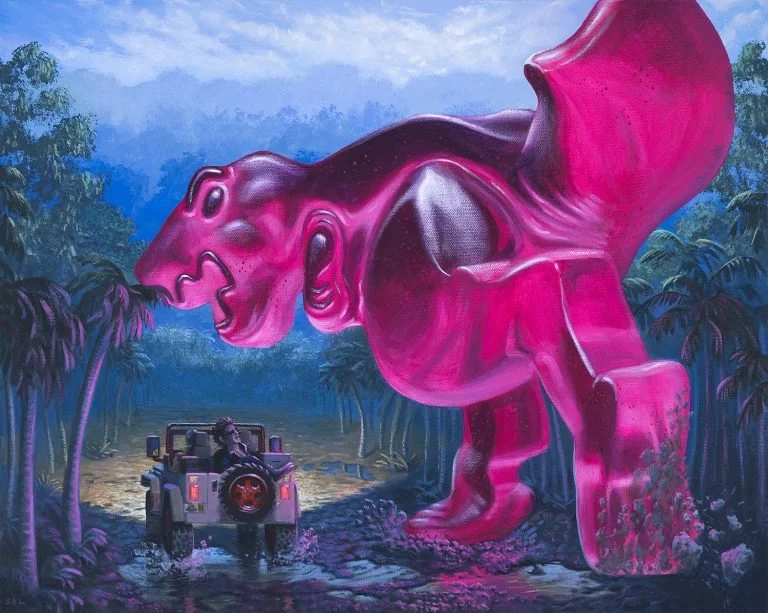
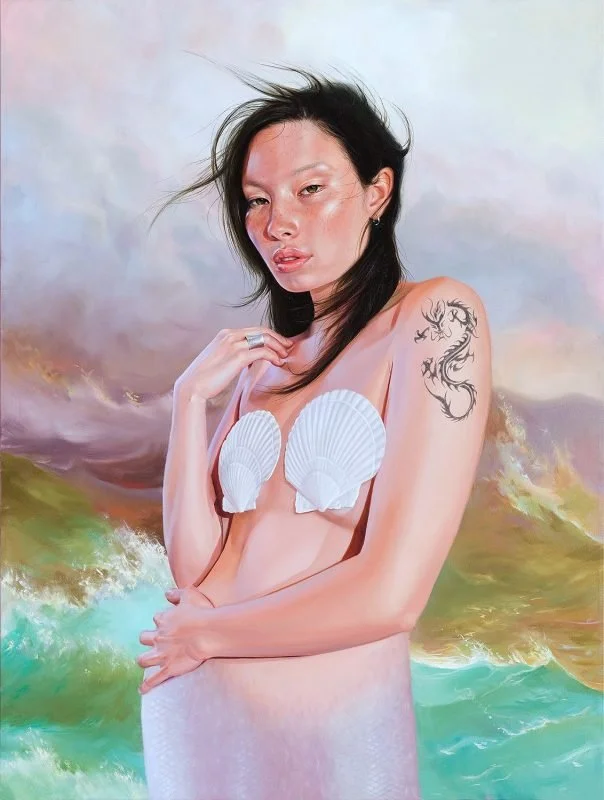
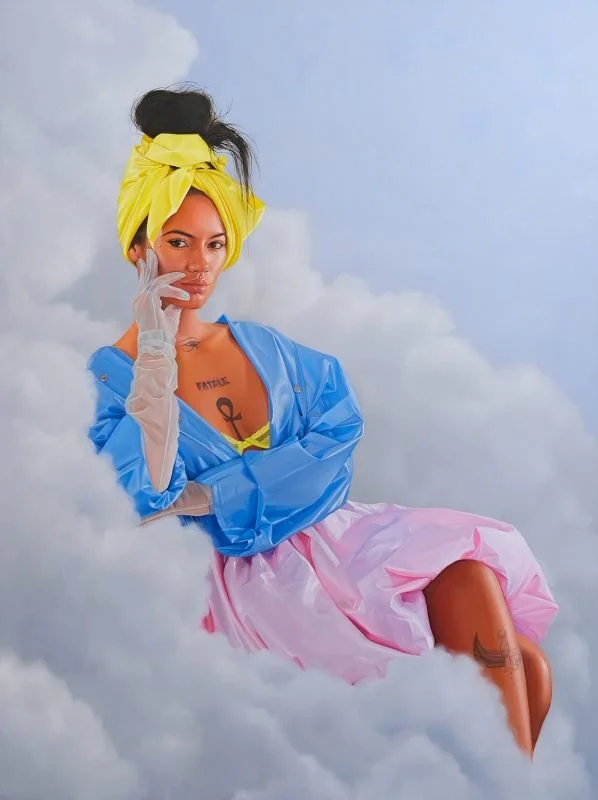
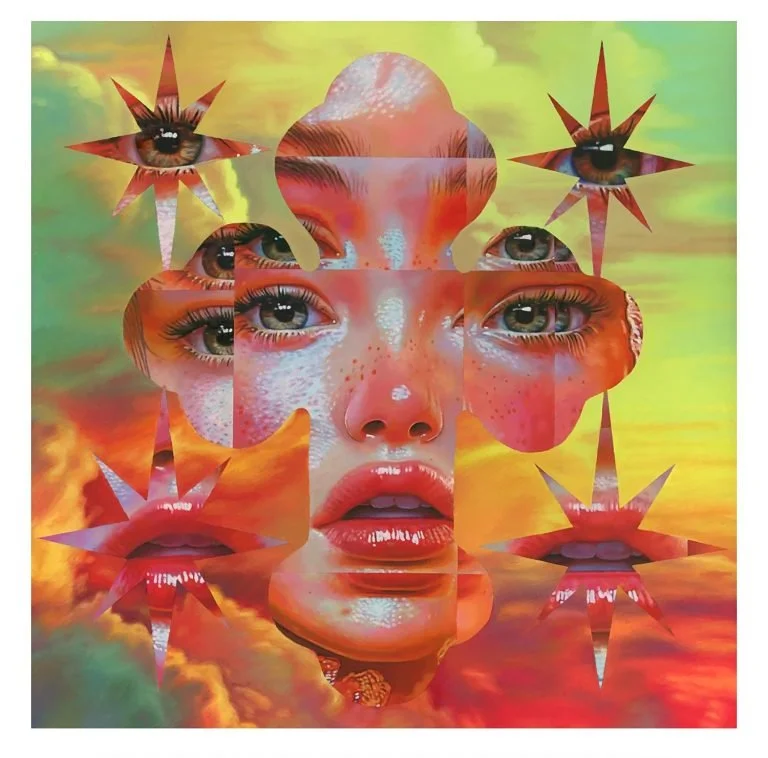
Los Angeles has always thrived on emergence — not just the established, museum-validated narrative of contemporary art, but the pulse beneath it. The studios tucked into industrial districts. The artists whose names circulate in whispers long before they appear in press releases. Thinkspace Gallery has built its reputation on precisely this instinct: recognizing cultural heat before it becomes institutional approval.
With Heaters, opening Saturday, March 7 (6–10PM), Thinkspace isn’t presenting a traditional group exhibition — it’s staging a forecast.
The show gathers ten artists the gallery has been closely watching over the past year, positioning them not as “emerging,” but as accelerating. The title itself feels intentional. A heater isn’t just warm — it’s already hot and getting hotter. This exhibition functions as a signal to collectors and the broader art world: pay attention now.
The Premise: Why “Heaters” Matters
For over two decades, Thinkspace has operated as a cultural barometer within the New Contemporary movement — the space where street-influenced aesthetics, illustration, pop surrealism, and figurative painting often first coalesce into something historically relevant. Many artists who now headline international fairs once quietly debuted within these walls.
Heaters is a curatorial snapshot of that moment right before lift-off — the point when artists transition from community recognition to international visibility.
Rather than a unified theme, the exhibition revolves around voice. Each artist arrives with a distinct visual language, but collectively they reflect a shared generational shift in contemporary figurative and narrative art:
emotionally direct, technically rigorous, and unconcerned with rigid categories.
The Artists
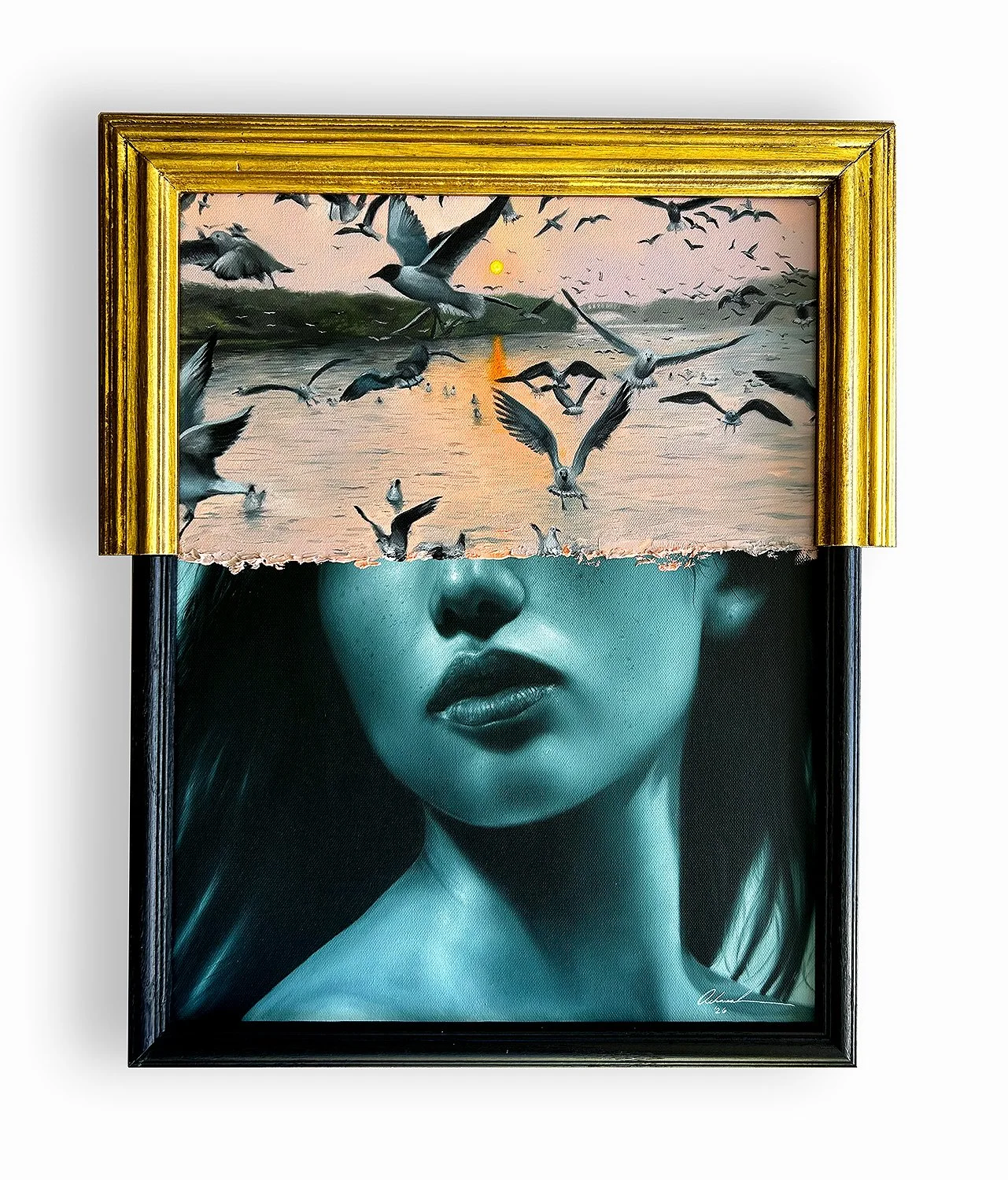
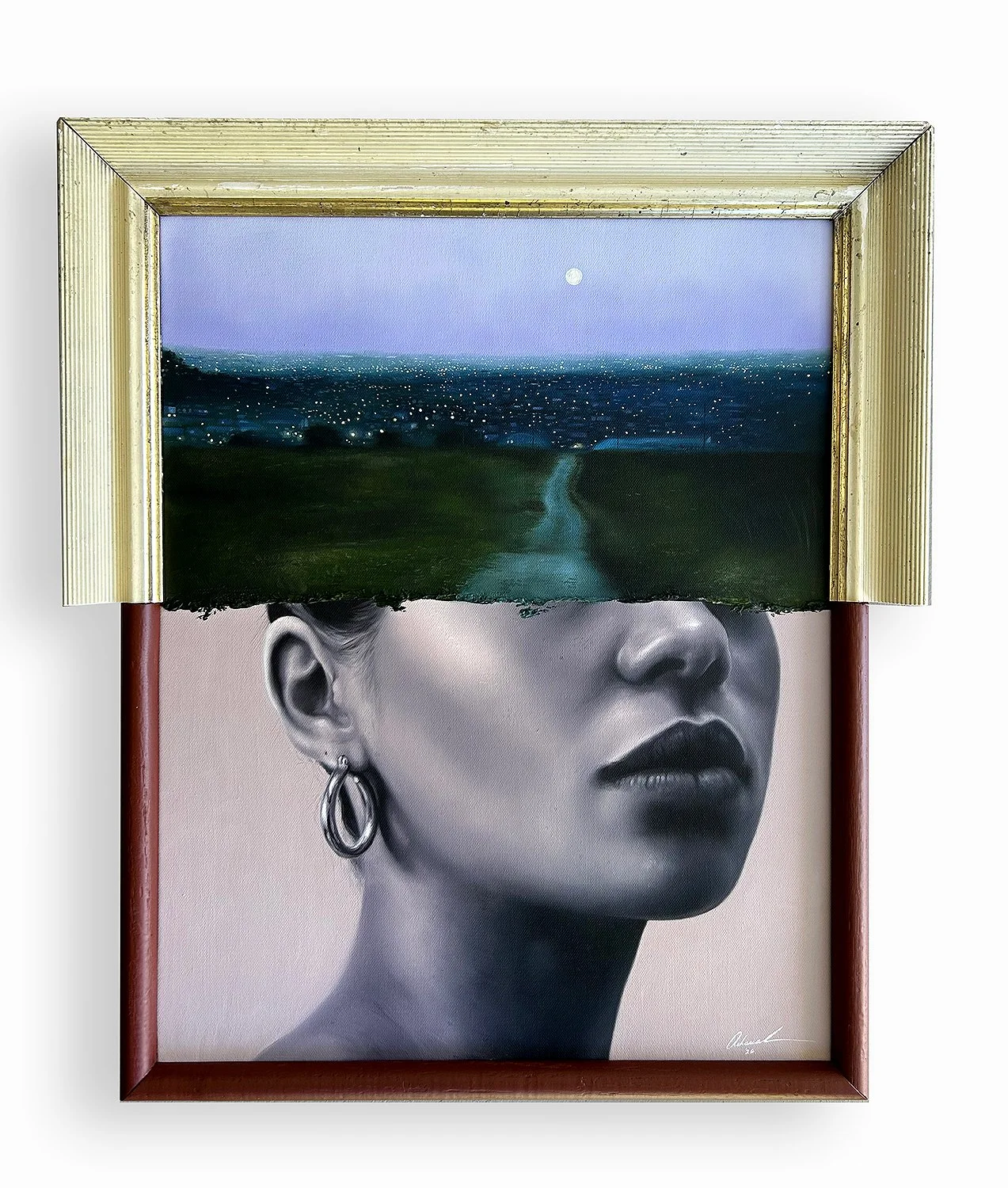
Alex Achaval
Argentinian-born painter Alex Achaval merges classical draftsmanship with dreamlike narrative. His work often feels suspended between memory and hallucination — figures appear in liminal spaces where symbolism replaces plot. Achaval’s paintings resonate because they don’t explain themselves; they invite projection. You recognize the emotion before you understand the story.
Morgan Booth
Booth’s paintings carry a quiet psychological charge. Interiors, figures, and environments exist in a tension between domestic familiarity and emotional isolation. Her use of light — often soft yet uneasy — suggests moments of introspection that feel almost cinematic, like a frame paused just before something changes.
Jose Luis Ceña
Ceña works with a refined sensitivity to color and atmosphere. His compositions lean toward poetic surrealism, where figures feel rooted in reality but inhabit emotionally heightened worlds. There is a careful restraint in his imagery — nothing is exaggerated, yet everything feels amplified.
Gerlanda di Francia
Di Francia explores identity and vulnerability through intimate portraiture. Her work often centers on the human gaze — a confrontation between viewer and subject. Rather than stylization, she emphasizes emotional presence. The paintings feel less observed than encountered.
Sally Hastings
Hastings brings a contemporary interpretation of portrait painting that balances softness with structural clarity. Her figures feel contemporary yet timeless, suggesting psychological narrative without overt storytelling. The result is work that feels both editorial and deeply personal — almost like visual diary fragments.
Brandon Hurley
Hurley’s practice sits at the intersection of pop imagery and expressive painting. His compositions incorporate energy and movement while maintaining strong compositional discipline. The work feels immediate — emotionally accessible yet visually complex.
Vanessa Michiels
Working under the moniker Vanessa From Mars, Michiels introduces an otherworldly aesthetic into figurative painting. Her characters often appear extraterrestrial yet human, playful yet introspective. The paintings question identity and belonging — themes increasingly central to contemporary art discourse.
Roxy Peroxyde
Peroxyde brings a distinctly graphic sensibility into painting. Influences from street art, illustration, and fashion culture appear simultaneously. The work feels urban and hyper-modern — as if it exists in dialogue with both galleries and city walls.
Helena Reis
Reis’ paintings often explore emotional states through symbolism and color psychology. Her figures feel contemplative, internalized. Rather than depicting action, she depicts feeling — the moment of processing rather than the event itself.
Regan Russell
Russell’s work captures contemporary portraiture with a sensitivity to human nuance. Expressions are subtle, gestures minimal, yet psychologically resonant. The paintings rely on restraint — proof that quietness can be visually powerful.
A Collective Shift in Contemporary Art
What connects these artists isn’t style — it’s approach.
The generation represented in Heaters is less concerned with rejecting traditional painting and more interested in reclaiming it. You see academic technique coexisting with internet culture, street influence, and psychological narrative. The hierarchy between “fine art,” illustration, and popular imagery is essentially gone.
Instead, the work prioritizes:
emotional immediacy
recognizable humanity
narrative ambiguity
and personal symbolism
This is contemporary figurative painting after the social media era — artists aware of global visibility, yet still invested in intimate storytelling.
Why Collectors Are Watching
Historically, Thinkspace exhibitions have functioned as early indicators. Artists introduced here frequently move toward museum exhibitions, international fairs, and major secondary-market attention within a few years.
Heaters is less about a single breakout star and more about a collective movement. The gallery is presenting not just artists, but a scene forming in real time.
Collectors often look for a moment — the point when an artist is still accessible yet culturally inevitable. This exhibition may represent exactly that window.
Opening Night
Opening Reception: Saturday, March 7, 2026 | 6–10PM
On View: March 7 – March 28, 2026
Location: Thinkspace Gallery, Los Angeles