

“FUTURES” CHLOE EARLY
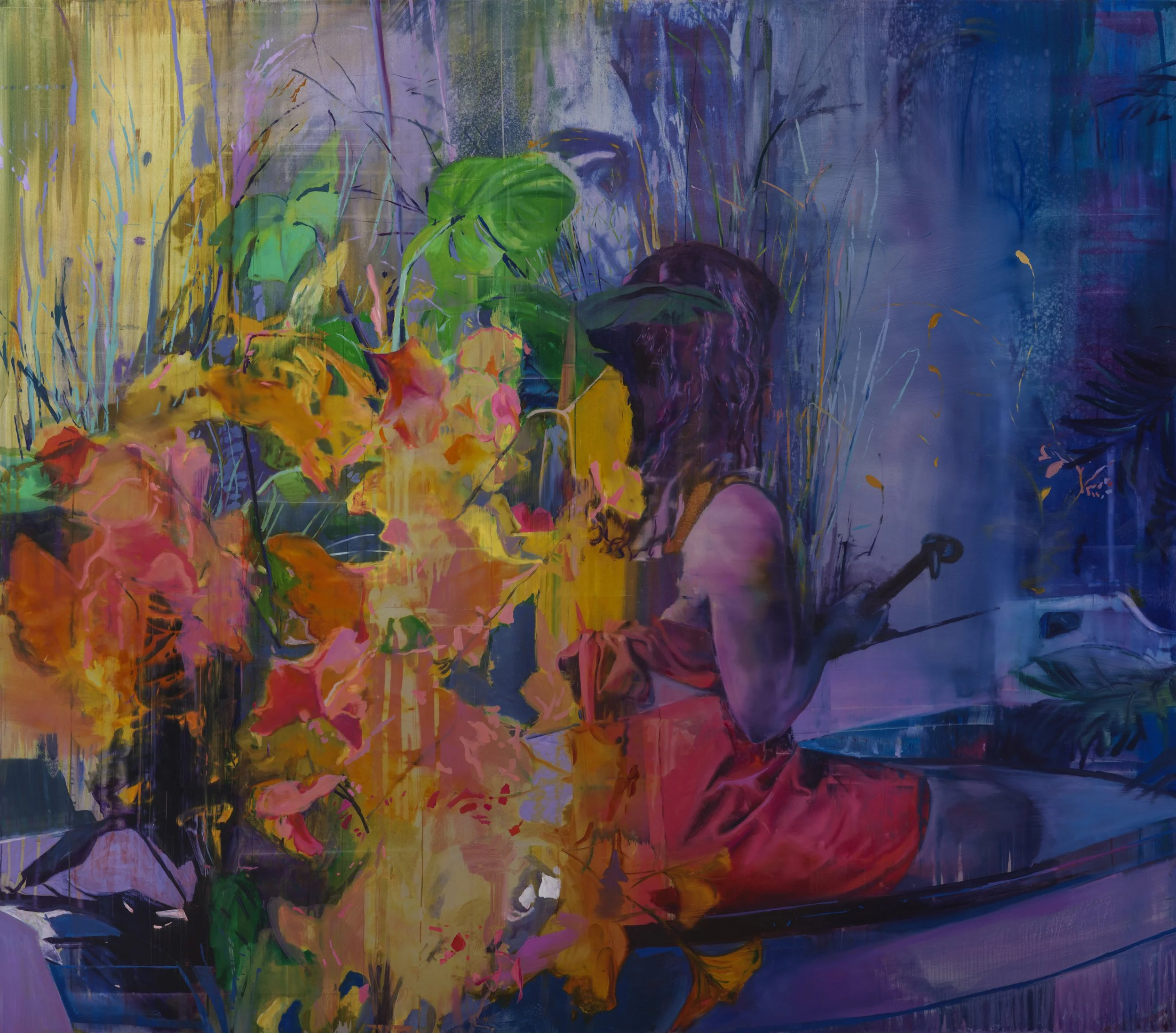
CHLOE EARLY: FUTURES — WHEN IRISH MYTH MEETS NEON DREAMSCAPES
Corey Helford Gallery, Los Angeles — February 21 – March 28, 2026
In a moment where contemporary painting is increasingly negotiating nostalgia, identity, and digital-age longing, Irish artist Chloe Early arrives in Los Angeles with a body of work that feels uncannily familiar — yet entirely otherworldly.
Opening at Corey Helford Gallery, Futures is not simply a solo exhibition. It is a psychological landscape. A memory-space. A place that feels remembered rather than seen.
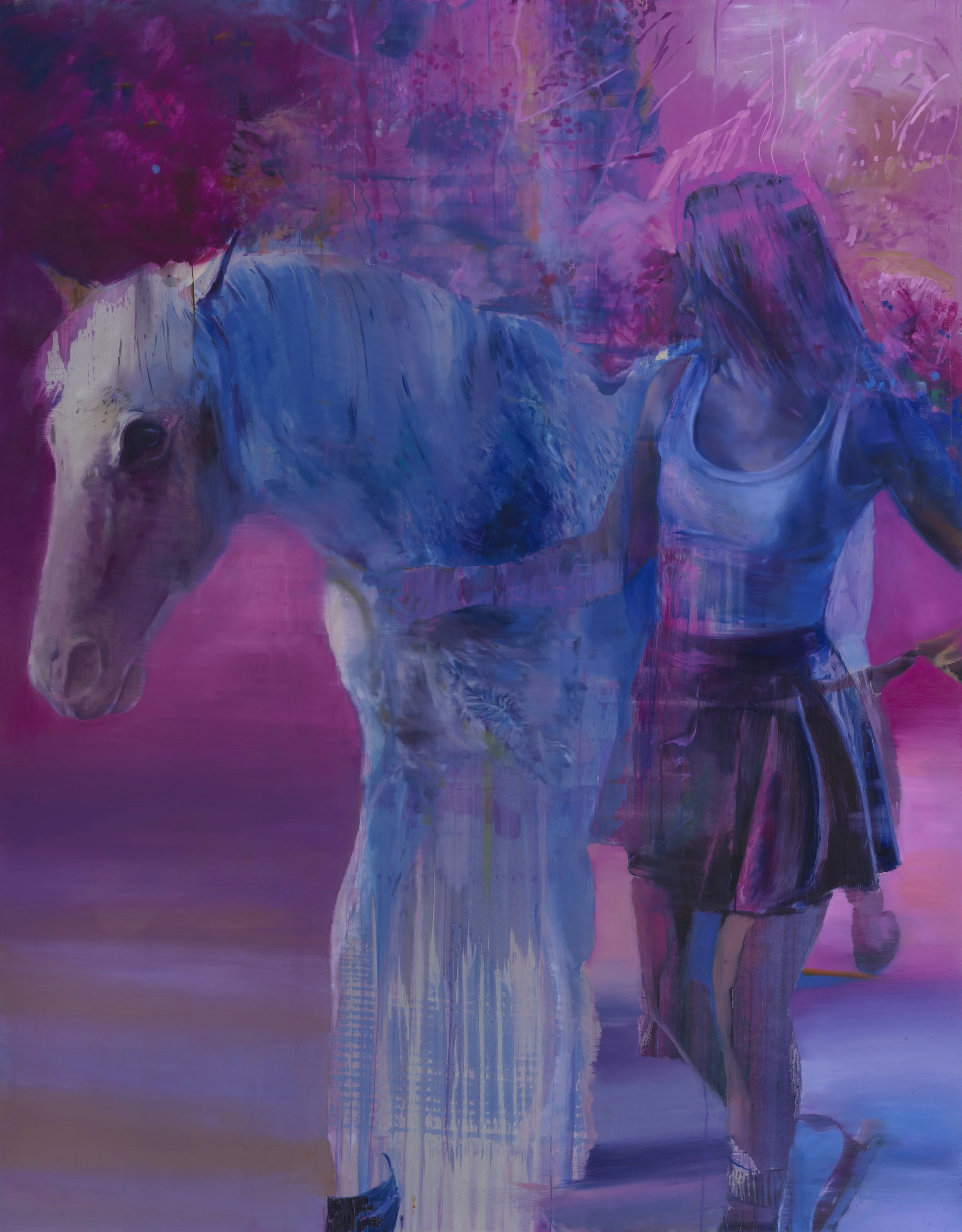
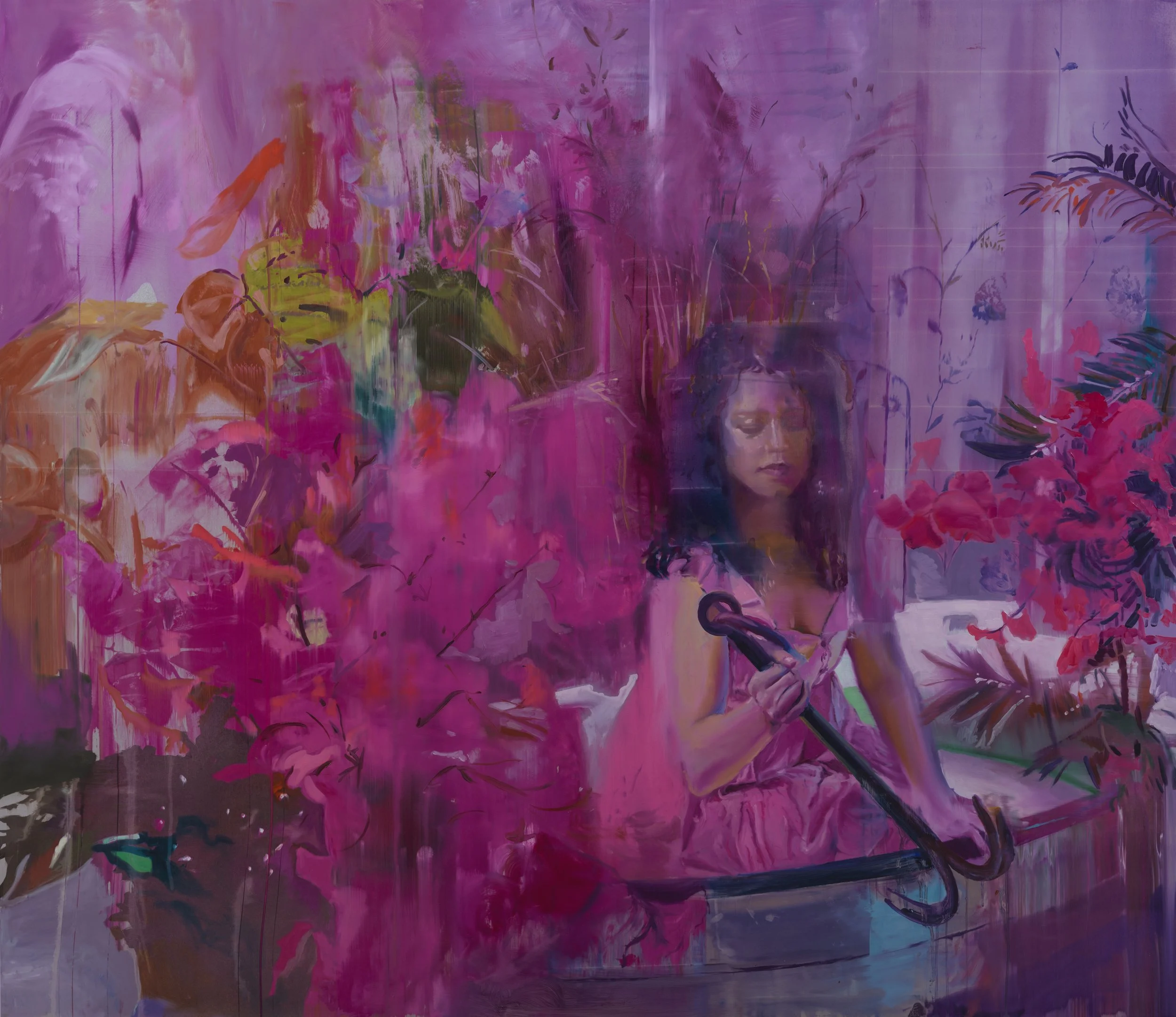
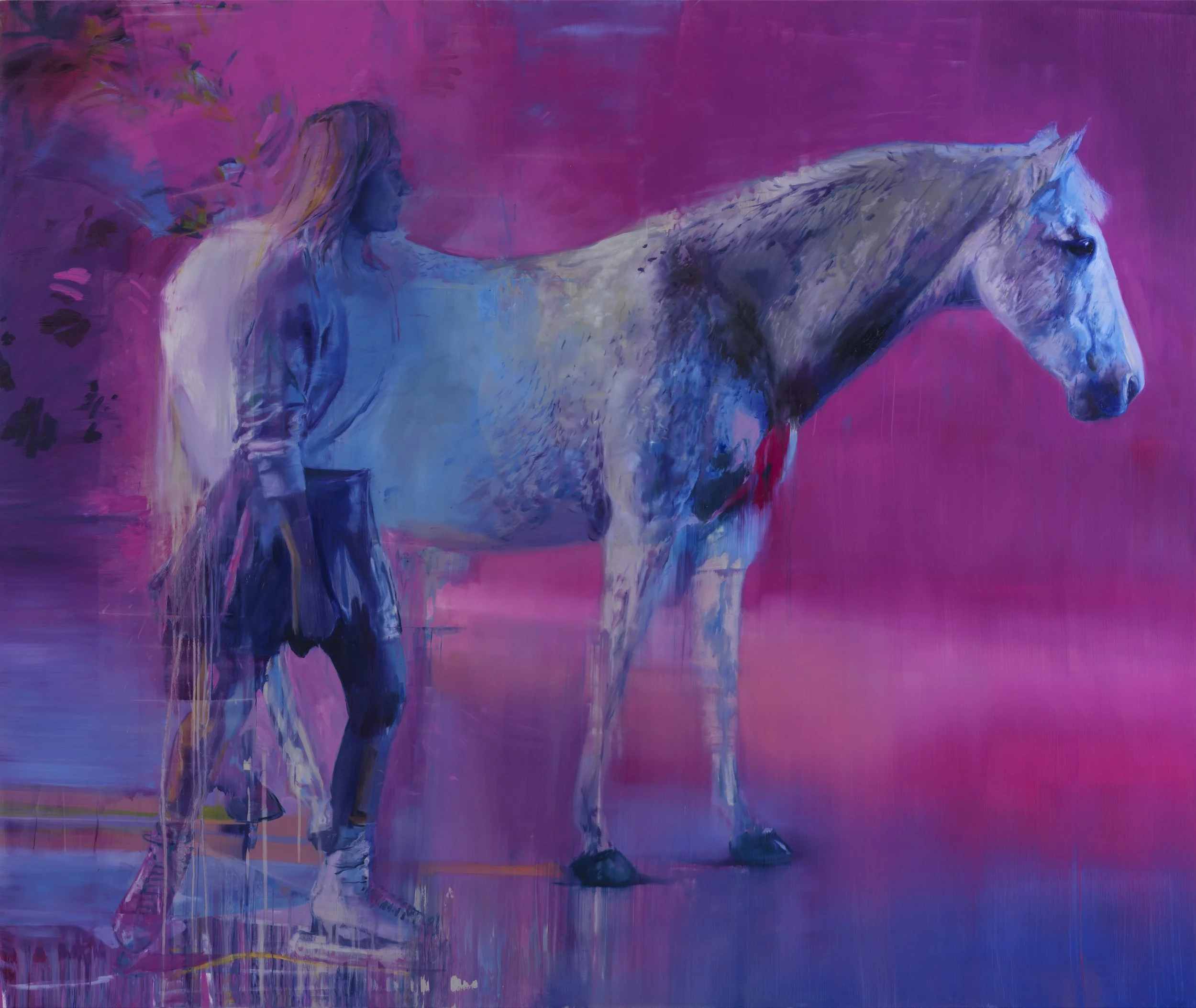
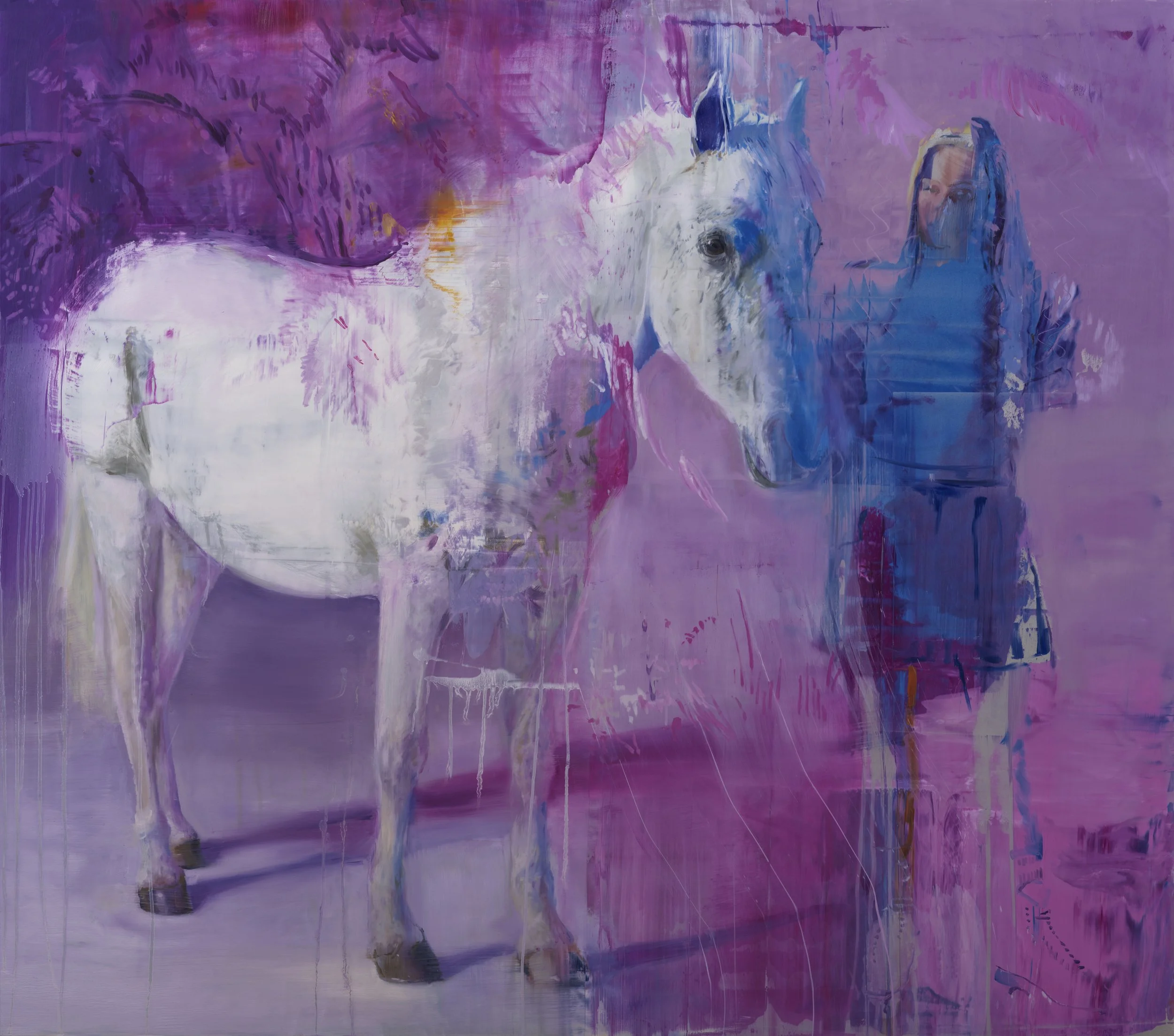
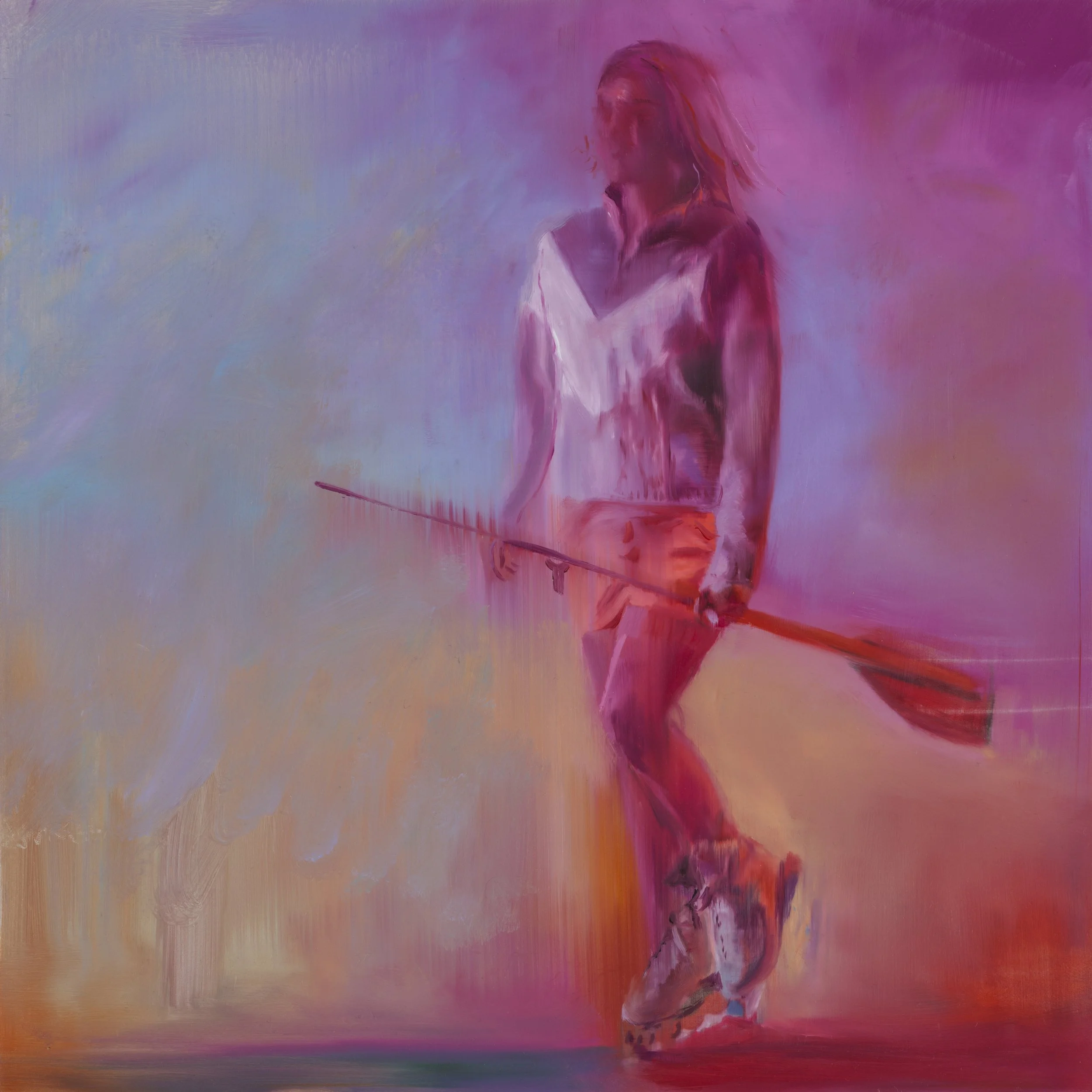
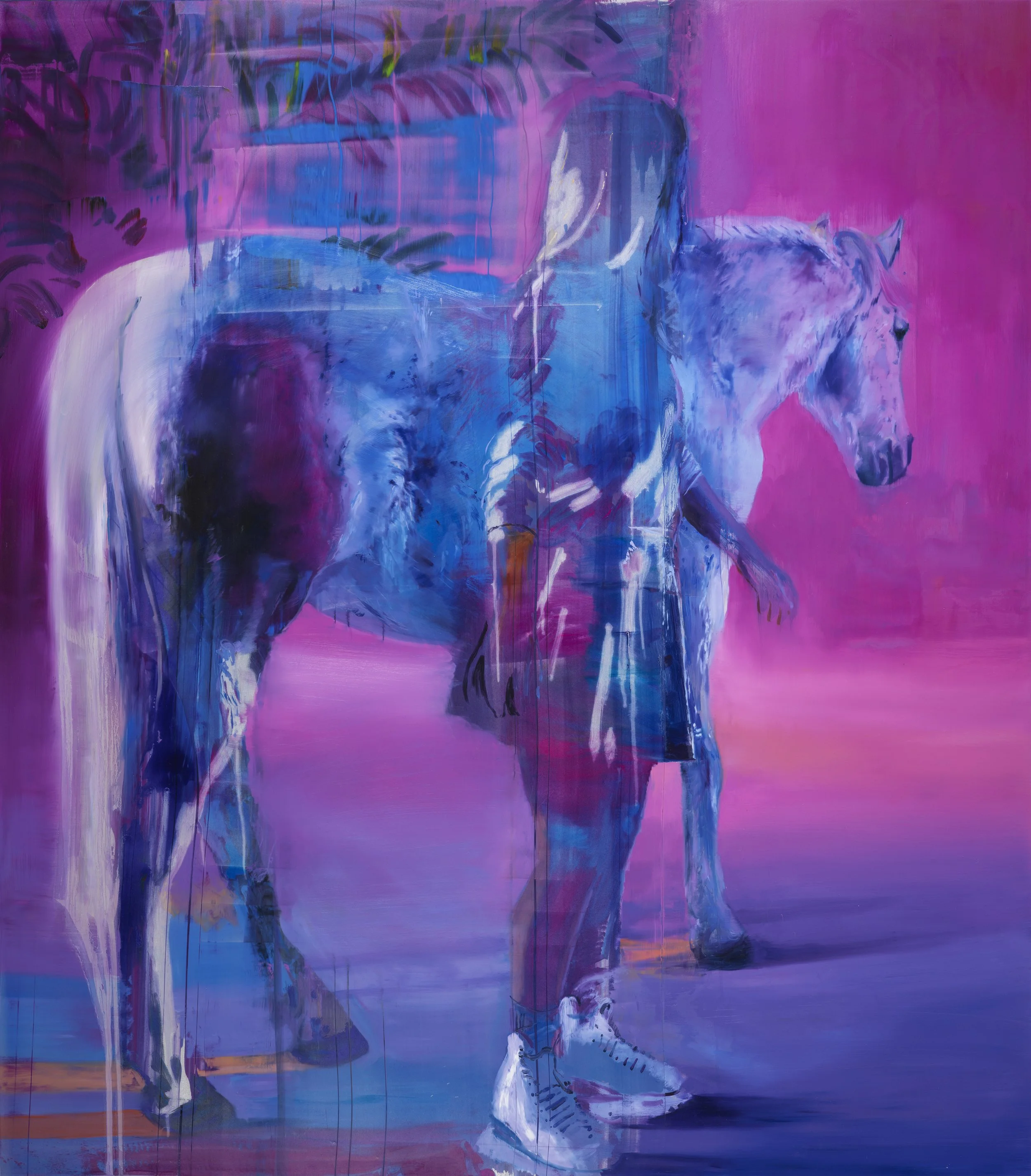
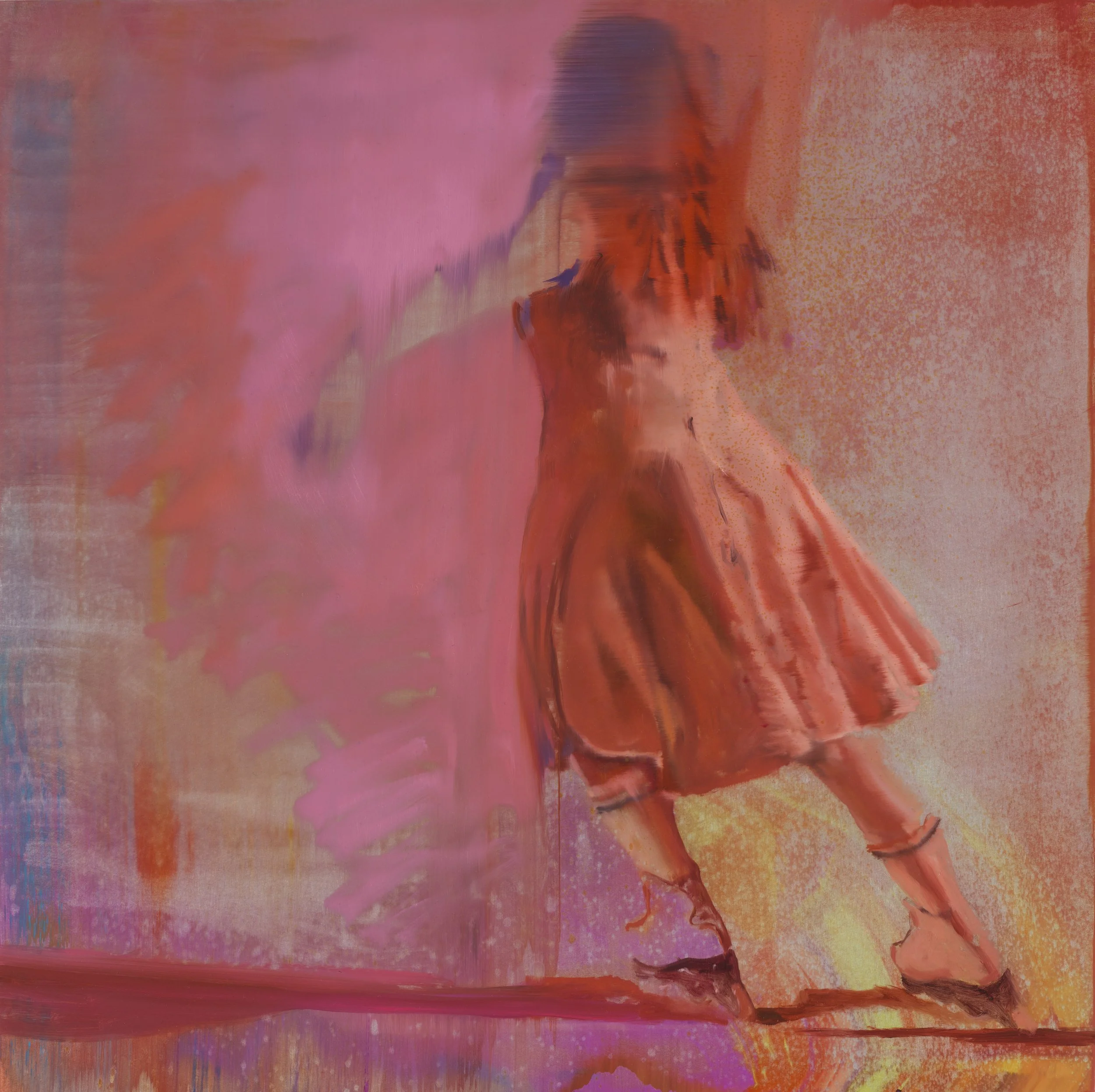
Working in oil on aluminum panel, Early’s paintings shimmer with hyper-saturated chromatic intensity. Her figures — often female, suspended somewhere between apparition and protagonist — occupy environments that seem to exist between mythology and mall culture, between pastoral memory and fluorescent adolescence.
The result is a visual contradiction: Renaissance lyricism rendered through the language of late-20th-century Americana.
““Eternal youth becomes a feeling rather than a place.””
A PAINTING LANGUAGE BETWEEN ERAS
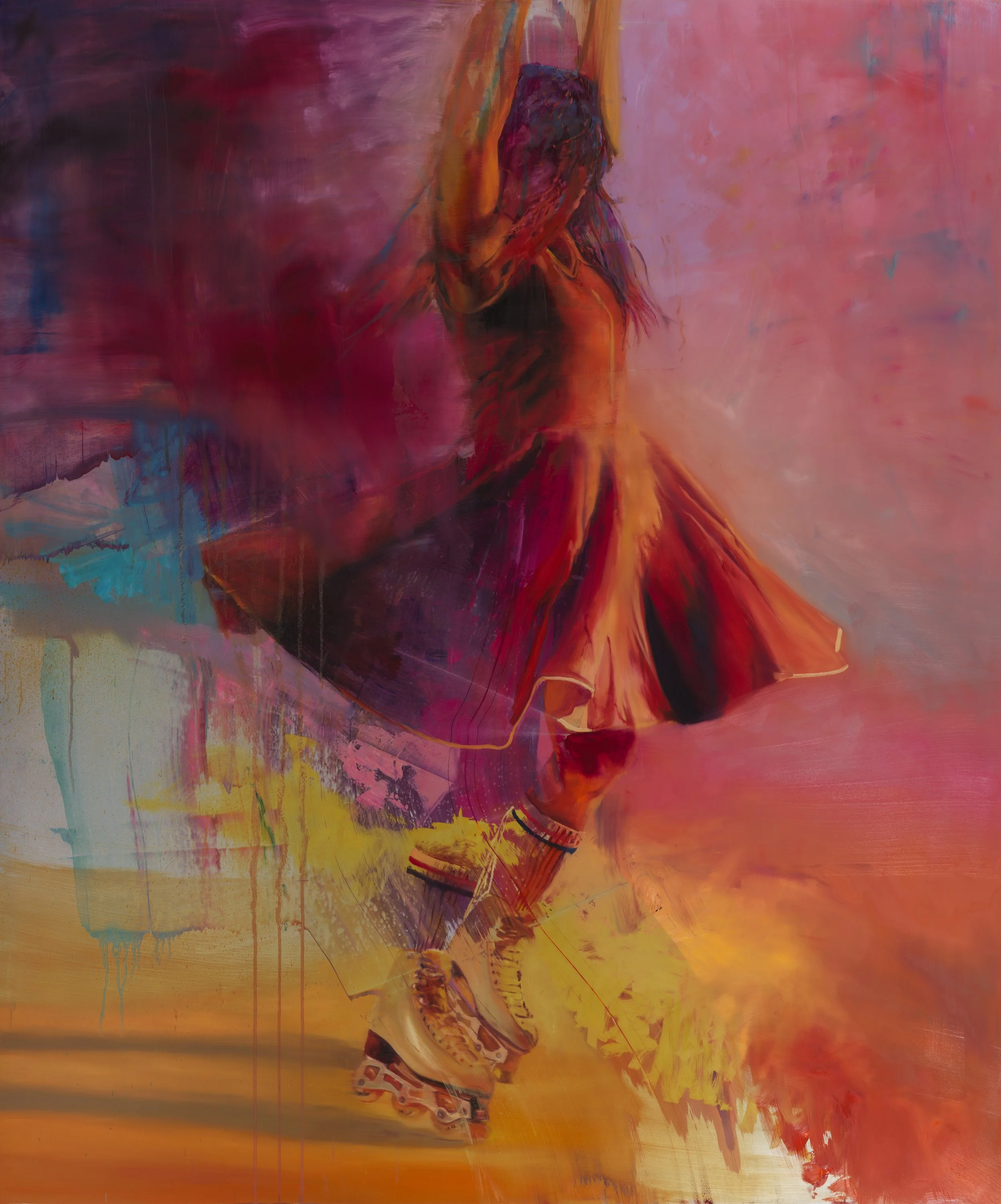
Early’s practice has long explored the collision of historical painting traditions with contemporary experience. In Futures, she pushes that tension further. Her surfaces carry the compositional gravity of Romantic painting — balanced, almost devotional — while the color palette feels lifted from arcade signage, roller rinks, and sunset parking lots.
Rather than parodying nostalgia, she treats it as myth-making.
Her figures do not simply inhabit landscapes — they drift through psychological terrain. Mountains glow in ultraviolet hues. Skies hum with artificial twilight. The world appears emotionally real but physically impossible.
It’s a deliberate strategy: a softness concealing conceptual weight — an iron fist in a velvet glove.
Early mines art history and folklore freely, reworking inherited visual languages to express contemporary emotional states. Memory becomes the true subject.
TÍR NA NÓG REIMAGINED
At the conceptual center of Futures lies the Irish myth of Tír na nÓg, the legendary Land of Eternal Youth — a paradise untouched by time, age, or sorrow.
Early doesn’t illustrate the myth.
She translates it.
Instead of ancient shores, we find neon reflections. Instead of a distant island, we encounter suburban glow. Roller skaters replace mythic travelers. Chrome replaces water.
“What begins as a land of eternal youth becomes a neon-saturated daydream — an unlikely collision of old-world myth and mall magic.”
Here, folklore dissolves into retro-futurism. The sacred coexists with plastic surfaces and artificial light. The paradise promised in myth becomes recognizable as something emotional rather than geographic: a memory of adolescence, possibility, and suspended time.
In Early’s world, eternal youth is not immortality — it is a feeling.
““The sacred can coexist with the plastic.””
THE AESTHETIC OF GIRLHOOD AND POSSIBILITY
The exhibition quietly centers a rarely articulated subject in contemporary painting: girlhood not as innocence, but as a state of heightened perception.
Skating rinks, suburban sunsets, and electric color operate as emotional architecture. They function less as settings and more as psychological containers — spaces where time feels elongated and identity remains open.
“Tír na nÓg is not a distant island, but a rollerskating rink at the edge of time.”
Early’s paintings capture a specific emotional frequency: the moment before adulthood hardens experience into certainty. Her figures exist in a perpetual threshold — neither child nor adult, neither past nor future.
The title Futures becomes literal and poetic at once.
These works are about possibility — not prediction.
MEMORY, POP CULTURE, AND CONTEMPORARY MYTHOLOGY
What makes Early’s work resonate now is how it reframes pop culture as folklore.
Arcade lights become ritual fires.
Shopping malls become gathering grounds.
Synthetic color becomes sacred aura.
Rather than critiquing mass culture, she treats it as a shared mythology — a visual language millions experienced simultaneously. The 1980s aesthetic is not used ironically. It is used reverently, as collective memory.
“Myth is continually rewritten, remixed, and re-felt.”
Through this lens, Futures becomes a meditation on how modern societies create their own legends — not through gods and heroes, but through media, adolescence, and nostalgia.
PAINTING AS EMOTIONAL TIME CAPSULE
The materiality of Early’s work reinforces this theme. Oil paint — one of the oldest mediums in Western art — is applied onto aluminum, a contemporary industrial surface. The pairing mirrors the exhibition’s central tension: ancient storytelling filtered through modern experience.
Her paintings feel frozen mid-emotion, as if capturing a fleeting psychological moment just before it fades.
They do not depict the past.
They depict the sensation of remembering.
WHY FUTURES MATTERS
In an era dominated by screens and accelerated time, Early’s paintings slow perception. They invite viewers into a suspended emotional state — a liminal zone where past and present coexist.
Futures ultimately asks a quiet question:
Where does paradise exist today?
For Early, it is not somewhere we travel to.
It is a memory we briefly return to — a feeling of possibility before reality narrows it.
And for a moment inside these paintings, time does exactly what the myth promised.
It stops.
EXHIBITION INFORMATION
Chloe Early — Futures
Corey Helford Gallery (Gallery 2)
571 S. Anderson St.
Los Angeles, CA 90033
On View: February 21 – March 28, 2026
Gallery Hours: Tuesday – Saturday, 12:00 PM – 6:00 PM
Opening Reception: February 21, 2026 | 7:00 PM – 11:00 PM
Phone: (310) 287-2340