

DOURONE INTERVIEW
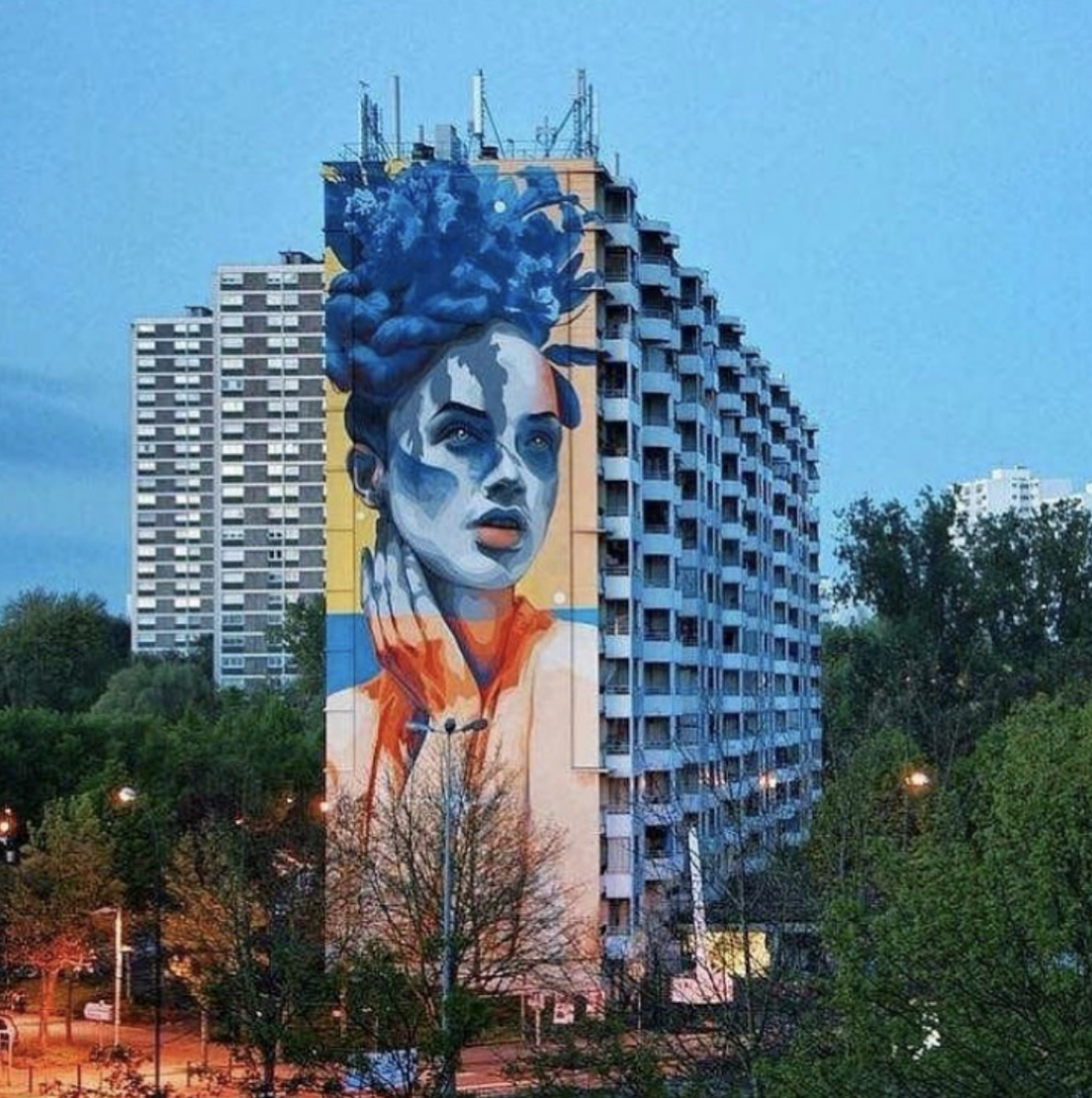
““My work continues to evolve just like me and a change is coming but I never leave aside the things I learn along the way.””
Your work beautifully balances intellectual inquiry with emotional depth, reflecting the spirit of Eduardo Galeano’s words: “Think with your heart, feel with your head.” What was it about Galeano’s writing that first resonated with you, and how has his philosophy influenced your artistic perspective? In what ways do you weave this idea into your work, inviting viewers to engage both emotionally and intellectually with your pieces?
I like listening to people who are intelligent because it helps me put words into my own thoughts. With Eduardo Galeano, when I first heard the word “sentipensante”, it motivated me a lot to make a style that defined it as a feeling. The work communicates a feeling and a value that makes you think and feel. I do not like the clear and understandable message because I do not want to facilitate all the work and it seems an order and not a reflection for the viewer.
Your artistic journey began with a childhood passion for drawing and evolved into developing your own graffiti identity, leaving your mark as “DOUR” on the streets of Spain. As your work and personal style have continued to evolve over the years, what has been the most important creative lesson you've learned along the way, and how has it shaped the artist you are today?
The greatest creative lesson I had was many years ago when I signed up for an illustration course that lasted 3 years. I lasted 3 months when I realized that they taught me: first, to work every day (something I was already doing) and second, they did not let me have my own style. I had to copy the teacher’s style to have my work approved. From that moment, I did not stop drawing, nor looking for a style where I was reflected in.
With this, I do not mean that schools are not good (now I would love to have studied fine arts) what I mean is that it is an art to enjoy and learn and when you do not feel it like that, it becomes an obligation and a frustration.
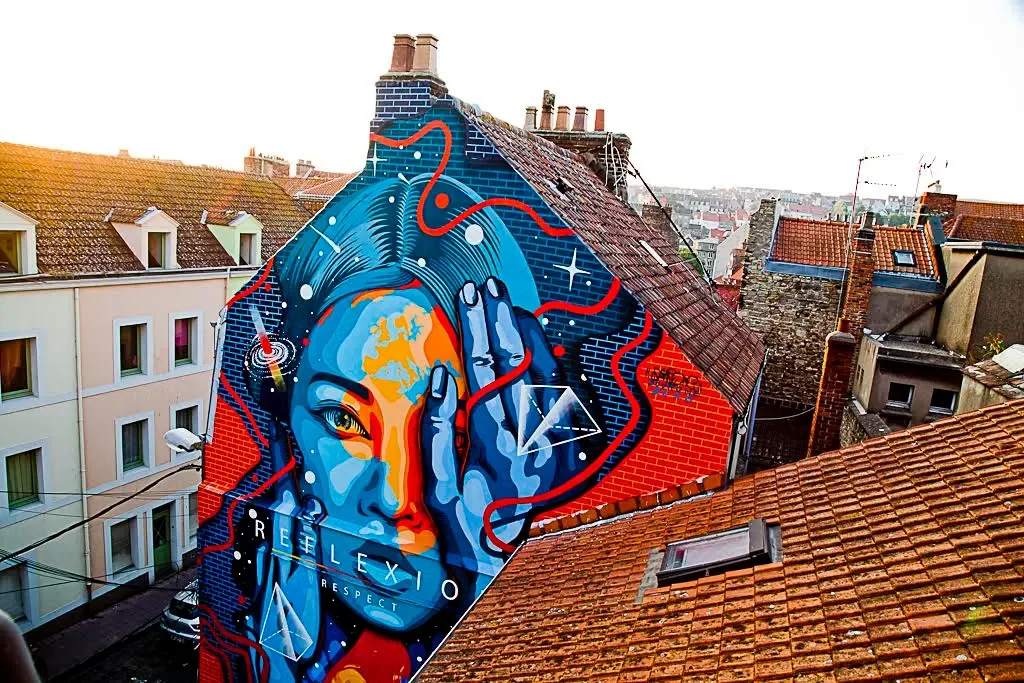
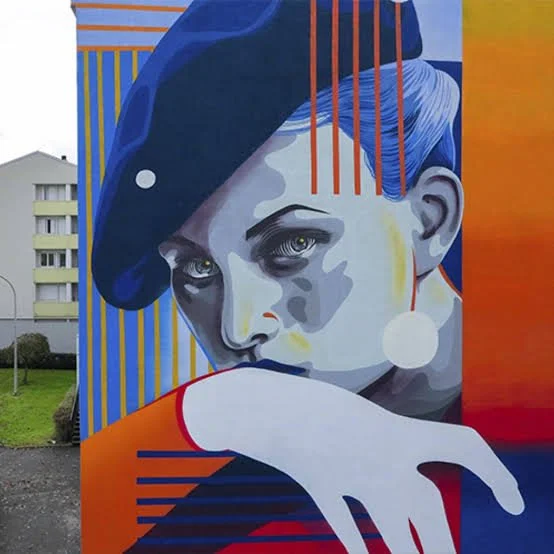
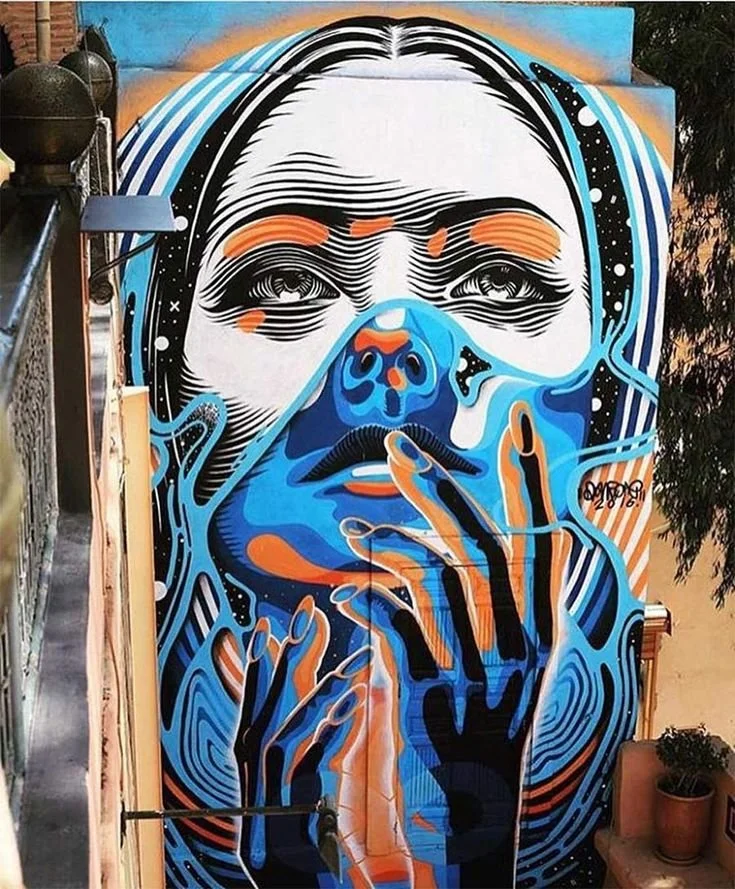
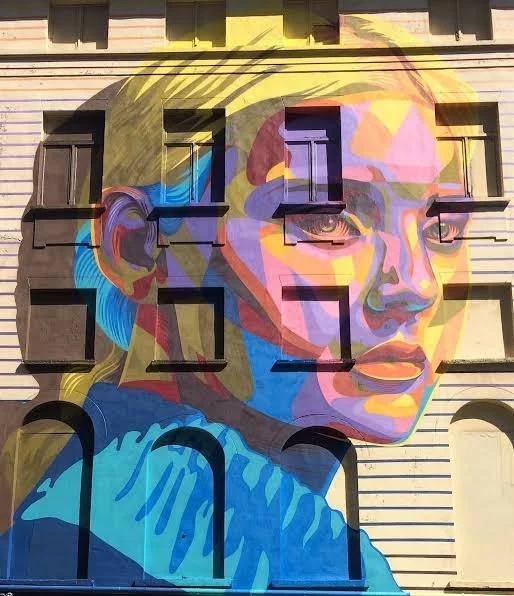
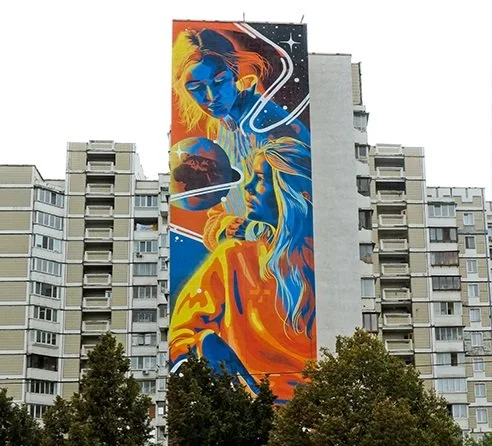
Your work is rich with symbolism, emotion, and social commentary, inviting viewers to look beyond the surface and engage more deeply with the world around them. What message—or perhaps question—do you hope to leave audiences with when they experience your work?
Well, it is something that I think about very much and it can become a challenge for me. As I said before, I try not to make the message very clear, but I hope that it is attractive enough to attract your attention and make you reflect.
During these last 3 years, the work speaks about three values that are important to me which are respect, diversity, and freedom.
At the moment, my work continues to evolve just like me and a change is coming but I never leave aside the things I learn along the way but I’m adding and removing those that are losing meaning by themselves.
As both an artist and a social advocate, you have been vocal about the importance of raising awareness around the discrimination and challenges faced by women. How has this commitment to advocacy influenced your artistic vision, and in what ways has it been woven into your work and broader creative mission?
I am an advocate of humanity. I like to give a message of respect, diversity, and freedom. I defend the discrimination of women since for me it is part of humanity. But I do not want to show abuse or discrimination, etc in an aggressive way to create hatred. I like the fact of raising awareness.