

TROY BROOKS INTERVIEW
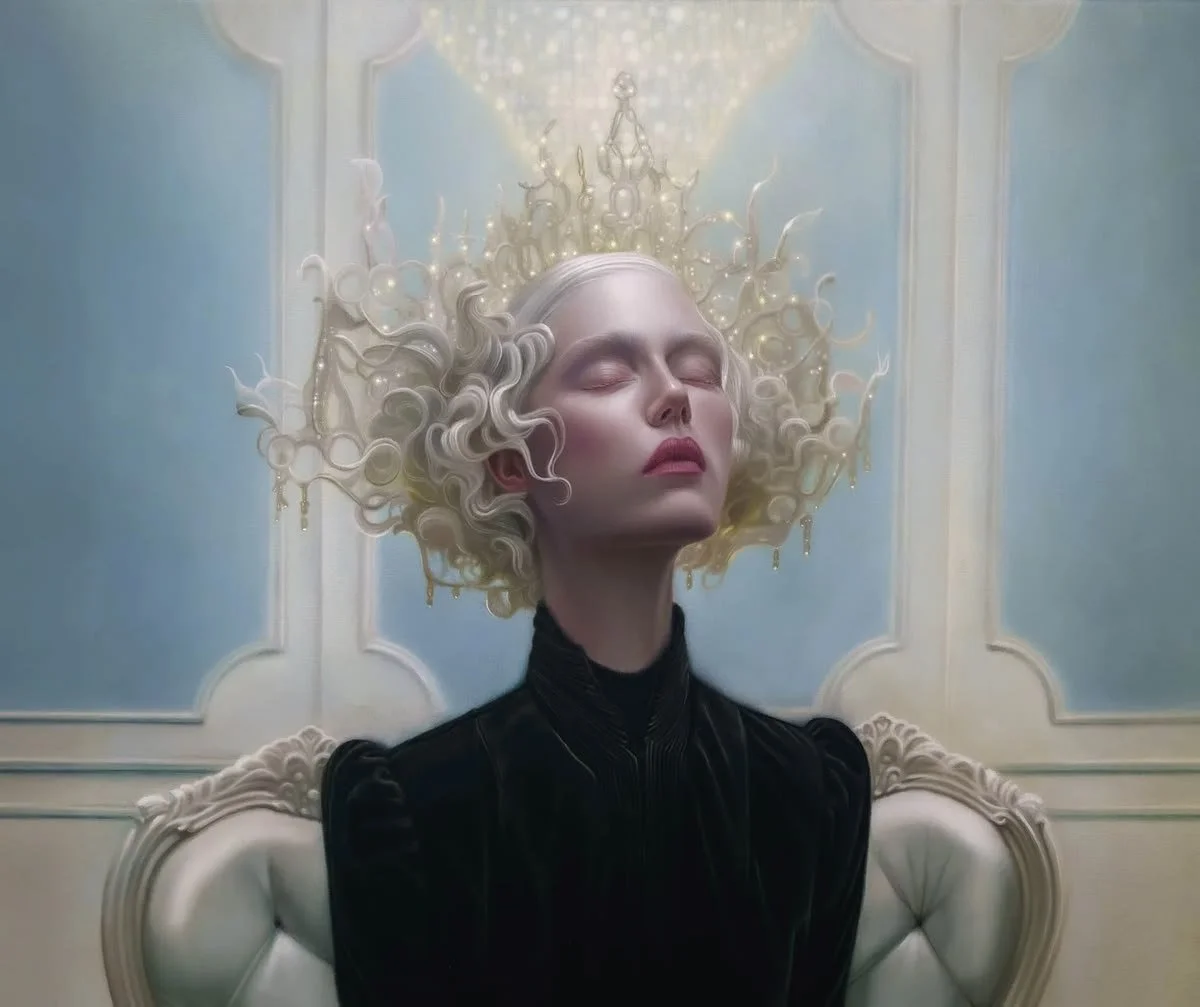
Your work is instantly recognizable. Many of your female subjects share a distinctive aesthetic, often featuring elongated facial proportions and an almost dreamlike elegance. How did you arrive at this signature style, and how has it evolved throughout your creative journey?
Yeah, a lot of people ask me if I was influenced by Modigliani or something. I love his paintings but his work had nothing to do with why my figures were stretched out. I just always made my faces too long, by accident. In all of my early work I had to start the faces over again because I kept noticing the noses went way too far down. I used to have to keep a mirror handy beside my canvases because seeing them backwards was the only way I could catch the elongations before it was too late. Finally, I just stopped trying to fix it and this made my life a lot easier.
Your exhibition B-Girls at Corey Helford Gallery marked a fascinating evolution in your artistic practice. The series feels deeply personal while also celebrating strength, identity, and transformation. Can you tell us more about the inspiration behind B-Girls, and how creating this body of work challenged or transformed you both as an artist and as an individual?
The B-Girls happened by accident. It was supposed to be Veiled Hearts-Volume 2. I had started a really big series called Veiled Hearts that I had planned in two parts. It was a year-long project. The first batch of Veiled Hearts girls were really gloomy, but then these other girls started showing up that were polar opposites to all that dreariness. I approach every series like a concept album. The new girls seemed like the b-side to Veiled Hearts so, instead of Veiled Hearts-Volume 2, I decided to call them the B-girls.
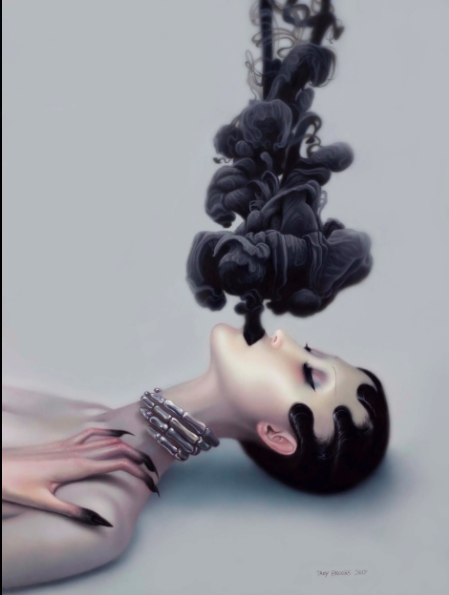
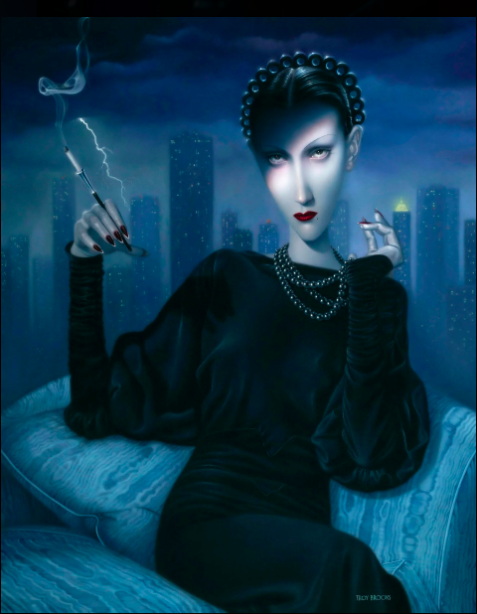
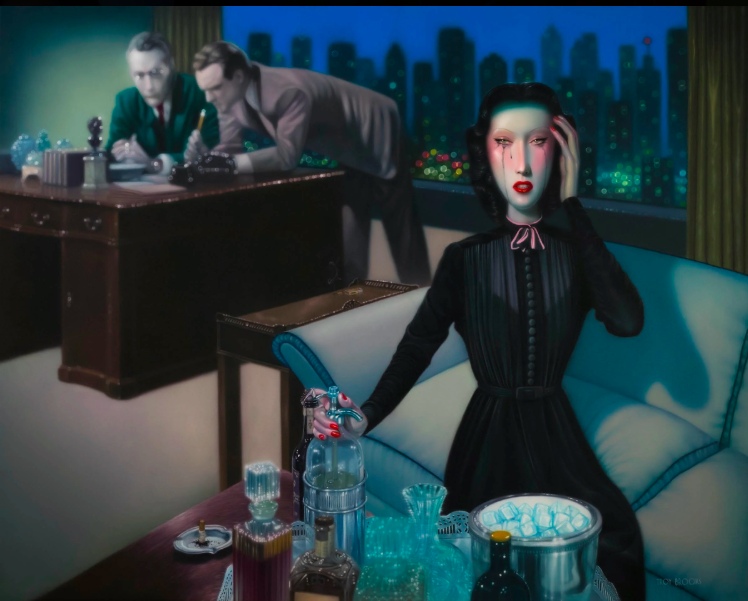
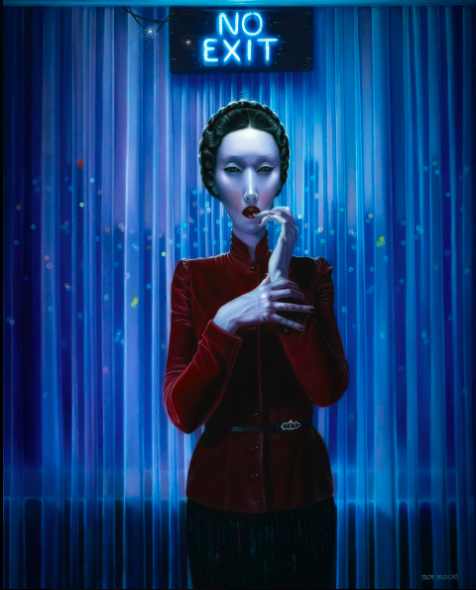
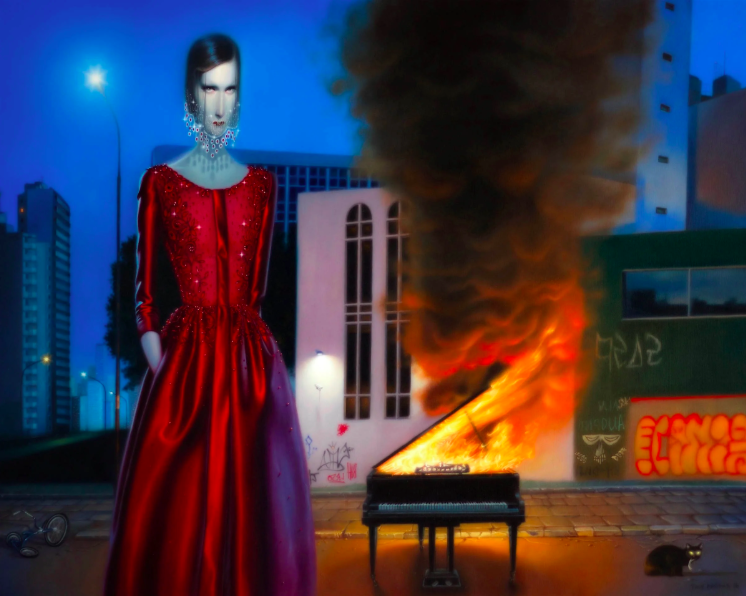
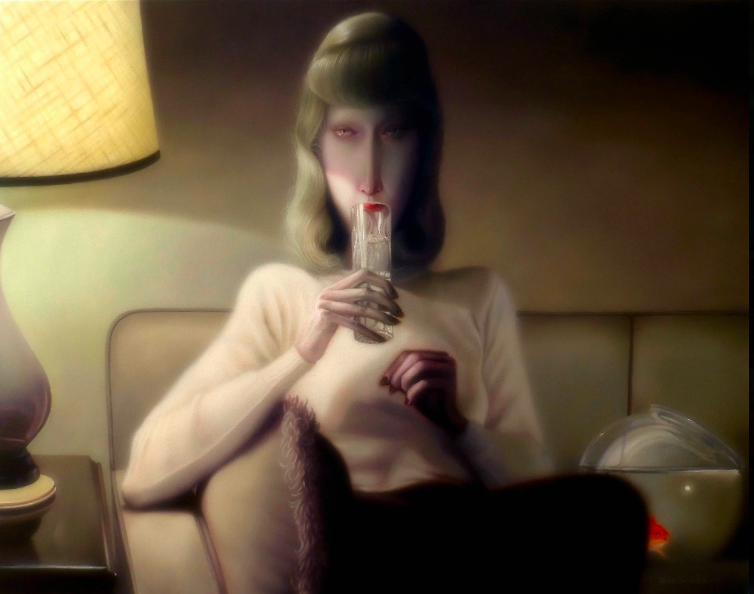
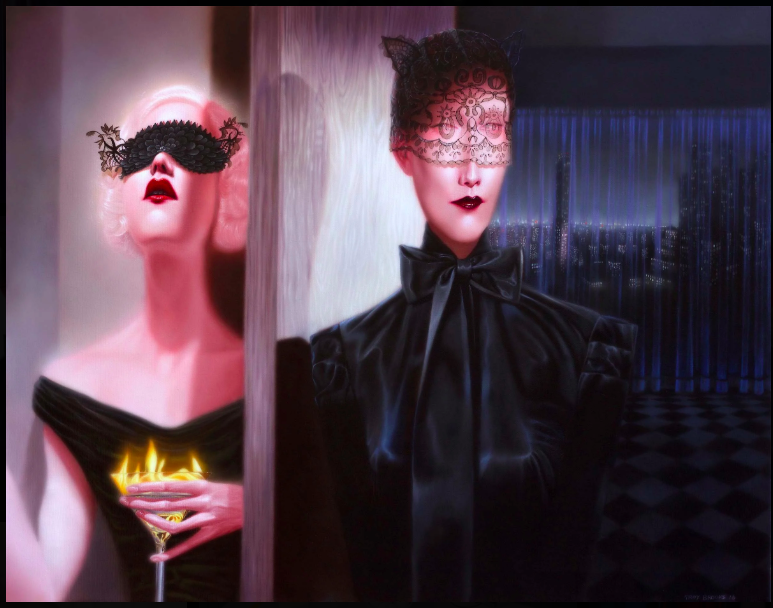
Oil painting has become a defining element of your artistic practice. What draws you to oils as your primary medium, and what qualities does it offer that you feel are essential to expressing your vision? Looking ahead, are there other mediums or creative disciplines you’re excited to explore and incorporate into your work?
Sometimes I work in water-colours, but I had such a difficult time learning the alchemy of oil paint that I don’t relish the thought of starting over with a new medium. I started painting on panel this year and that’s been a revelation. The smooth surface compliments my work because there’s so much blending and without the grain of the canvas it’s like glass. It’s given my girls a new translucence.
Your work is rich with emotion, symbolism, and narrative. What sparks the initial inspiration to begin creating, and how do you transform that spark into a finished piece? We'd love to hear more about your creative process—from the earliest idea to the final brushstroke.
It’s very off the cuff. I should do sketches and plan things more but the truth is I don’t do any of that. I just start with an idea, then I look for a bunch of reference photos on the Internet to use as a framework for my work. I would probably save a lot of time if I just did a little more prep because a lot of my girls change on the fly. Sometimes I end up revising and revising until it finally feels visually correct.