

RONE INTERVIEW
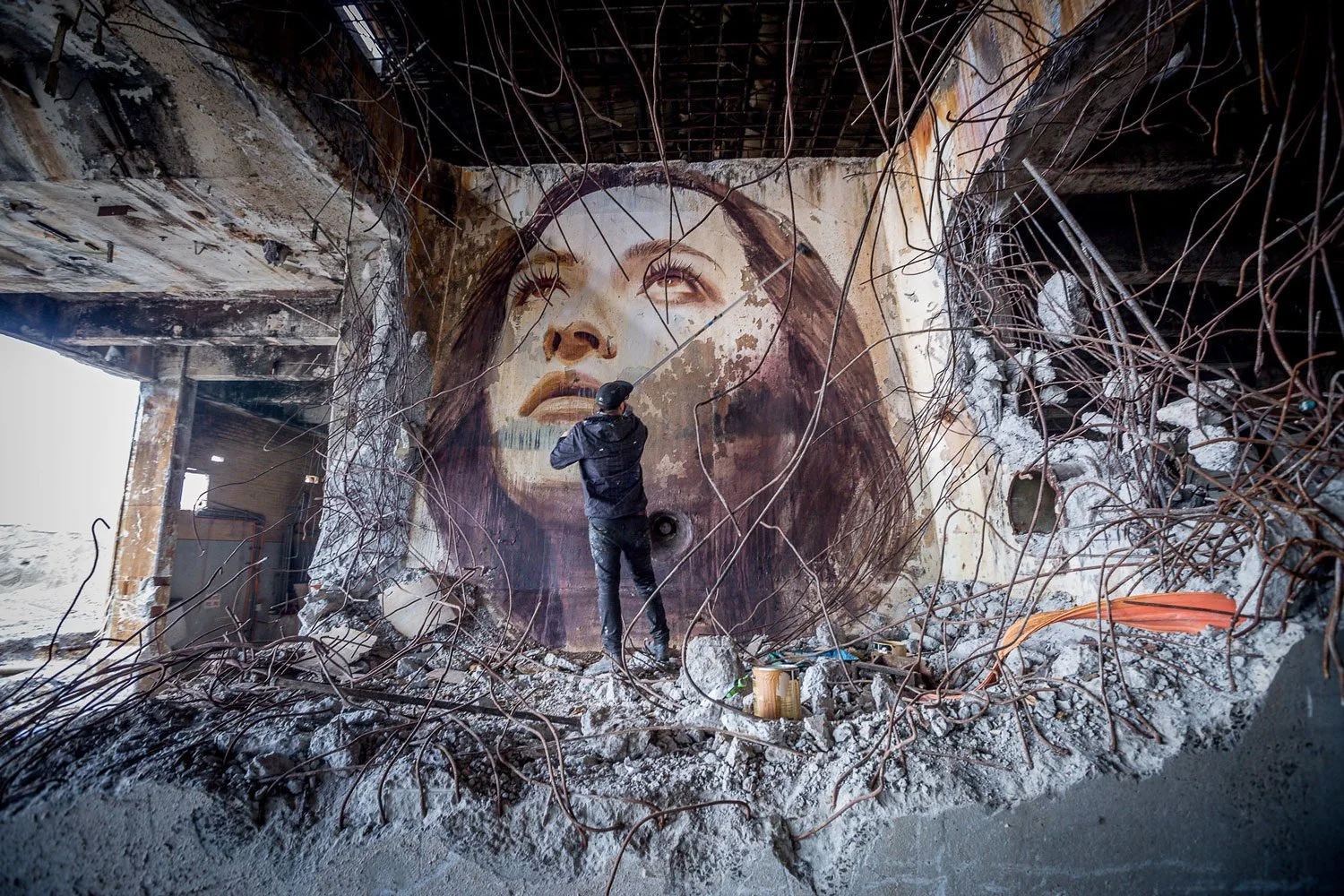
““EMPTY” was a gigantic installation that was so big you would be forgiven if you may not have noticed my other artworks hanging on the walls. I was truly overwhelmed with the response, it made me realise the power of an installation where people can feel like they are transported.””
Few artists have witnessed—and helped shape—the evolution of contemporary street art quite like you. Having been part of Melbourne’s influential Everfresh crew in the early days, you've experienced the movement's transformation from an underground subculture into a globally respected art form. Looking back, what changes stand out most when you compare the street art scene of the early 2000s to what we see today?
When we started painting on the streets, no one was making a living from it, no one sold canvas works, even people like Banksy and Shepard most likely had other jobs. We were only doing it for the fun and the social aspect of it. It was just like hanging out with your friends playing a game of Jenga, even if you are pretty good at it you don’t think you could make a living out of it. Jump forward 15 years and I’m meeting people who have been told by their professor at university course on street art that they have to come see my exhibition.
Your landmark exhibition EMPTY transformed Fitzroy's historic Star Lyric Theatre into an immersive artistic experience that drew more than 12,000 visitors. The project blurred the boundaries between installation, fine art, photography, and storytelling. What was it like to witness such an overwhelming public response to the work?
After a busy few years travelling and focussing primarily on outdoor murals, it was great to be back in the studio working on canvas again. The show consisted of a selection of works on paper, canvas and for the first time I exhibited some photographic pieces.
“EMPTY” was a gigantic installation that was so big you would be forgiven if you may not have noticed my other artworks hanging on the walls. I was truly overwhelmed with the response, it made me realise the power of an installation where people can feel like they are transported.
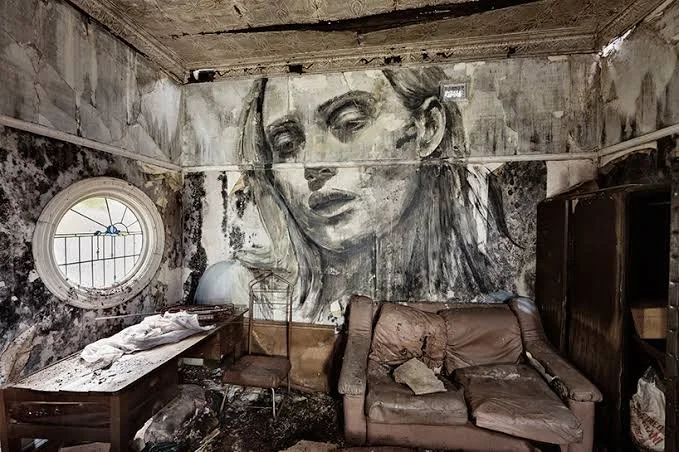
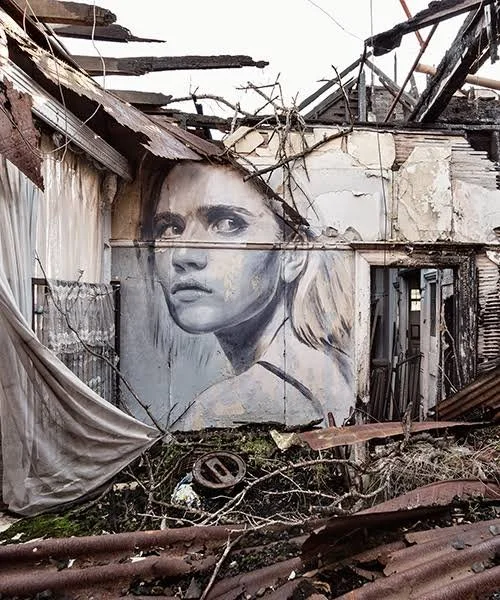
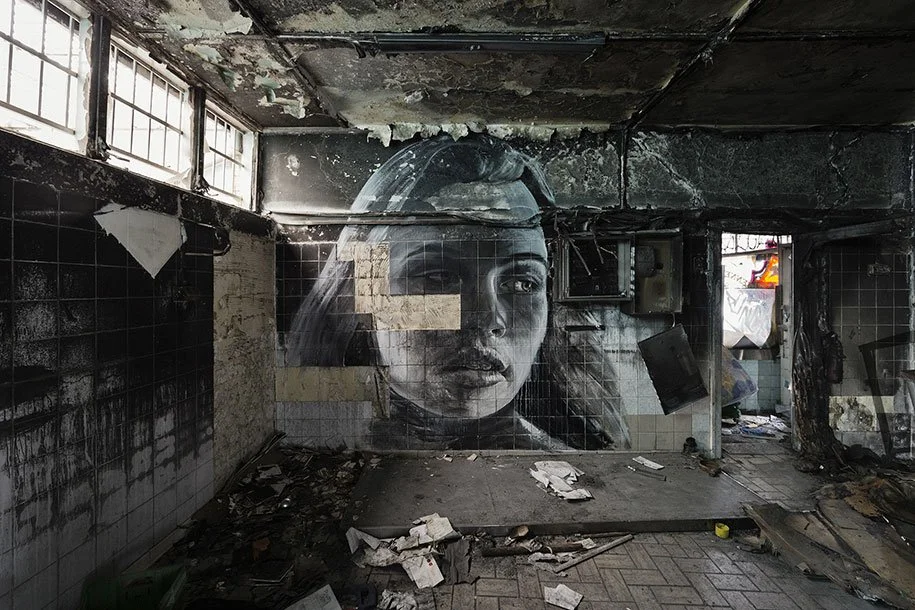
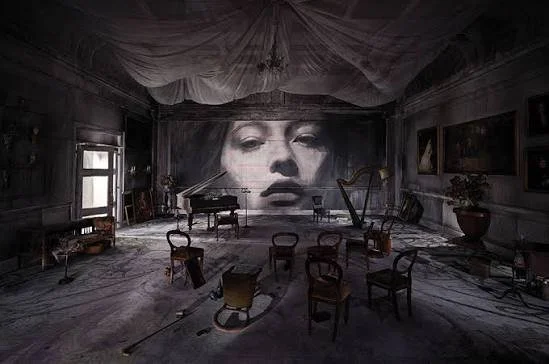
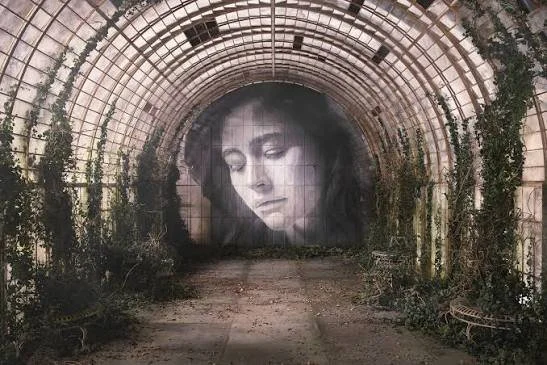
Much of your work explores the tension between beauty and decay, permanence and impermanence. The Alpha Project remains one of your most ambitious undertakings, transforming an abandoned industrial site into a monumental temporary gallery. What was it about that particular space that inspired such a powerful body of work?
The “Alpha Project” was a series of five huge murals painted inside a former paper factory that is (currently) being demolished. This was a dream project, a giant abandoned site where I could paint whatever I saw fit. These latest works at Yarra Bend were completed inside the iconic brutalist brick buildings of the old Alphington Paper Mills on Heidelberg Road. Unfortunately, I couldn’t open this to the public due to the huge safety risk, so many of the works only exist in the documentation in the way of photographs and video.
The Omega Project remains one of the most memorable examples of immersive installation art in contemporary street culture. By transforming an entire house destined for demolition into a dreamlike environment, you created an experience that viewers could physically move through and inhabit. How did this ambitious project come together, and what was the creative process behind bringing it to life?
The Omega Project was a fantasy project; to create a dreamlike abandoned house that I could let the viewer walk through. It started with a interesting house in good condition that was slated for demolition. Thanks to an open minded developer (Glenvill) I was given the house to do ‘something’ with. I used the space itself for inspiration, starting with the colours and the way the light came into the rooms. I then photographed a model (Teresa Oman) trying to simulate the light. Then painting them on the walls of the house matching the existing light and colours. The paintings alone were not enough so I worked with my friend Carly Spooner who is an interior stylist who used the house for inspiration when sourcing furniture for the entire house. Once everything was in place we started to smash holes in the walls and add faux mould to the roof and cover everything in dust. Once everything was in place I brought in a lighting expert to help light the spaces and then we documented it all. The experience was a lot of fun and I hope to do something like this in future.