

SONNY INTERVIEW
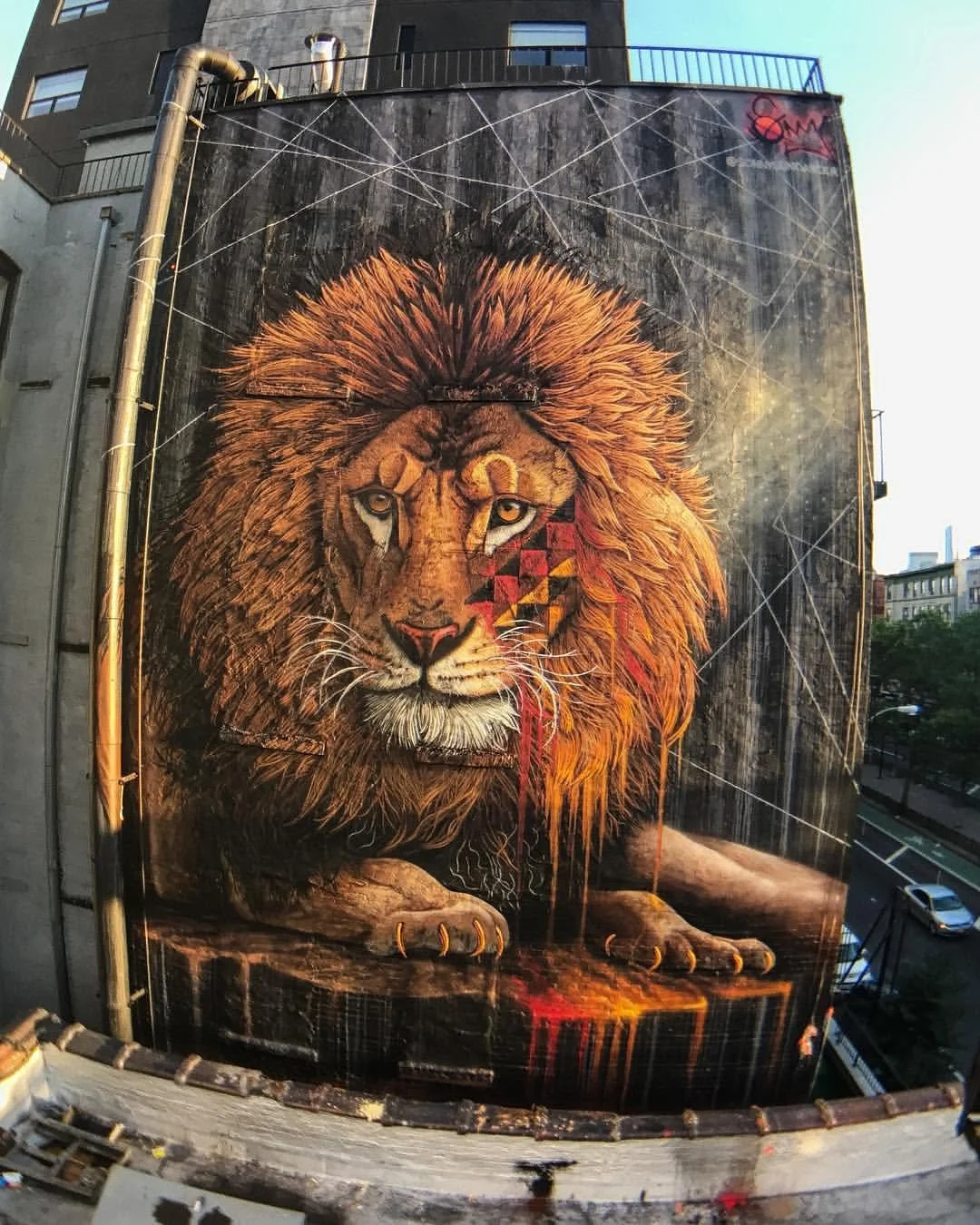
““Life is a global issue at the end of the day, and one that everyone should be aware of.””
Wildlife has become the heartbeat of your artistic practice. Through both monumental murals and intimate studio work, you've consistently highlighted the beauty, vulnerability, and importance of endangered species around the world. Has a passion for wildlife conservation always been part of who you are, and how did growing up in South Africa shape your connection to these animals?
Yes definitely. When I moved to South Africa from the UK at 11 years old, I was immediately fascinated by the wildlife. That’s why when I started painting they quickly became the main subjects of my work, as I found each one so captivating and so different. The more I learnt about them, the more I started to understand the issues they’re facing and why so many species are endangered and under threat. So, growing up in South Africa definitely gave me huge respect for the animals as well as exposing me to these issues. For South Africans, wildlife conservation is often a priority, but I think in other countries, it’s sometimes easily forgotten about. That’s why I want to paint murals in these places around the world, so that I can hopefully start a conversation around it and get people thinking about these issues.
Today you're recognized for creating powerful works that seamlessly move between gallery walls and massive public spaces. Looking back, how did your artistic journey begin, and what ultimately led you toward becoming a full-time artist?
Nope, I’ve never had any formal training and didn’t even take art as a subject in high school. But I did always love to draw, I just never took it very seriously. I was really into comics, manga, and character-based stuff during school. I only began to get into it properly at about age 23/24, when some friends and I decided to fix up our band room – I was really into guitar and music back then. I decided to airbrush the entire room and ceiling, quite a crazy ambition considering that I had no clue how to paint at all. I started from scratch from that point, teaching myself about art and mainly focusing on colour theory, airbrushing, photoshop etc. and began to get creative, stumbling on a talent that had been dormant I guess. I’d always been interested in street art and it became a major influence and after a few indoor murals, I did my first two street murals (12m x 15m) back to back at the end of 2014. That was it – I was totally hooked!
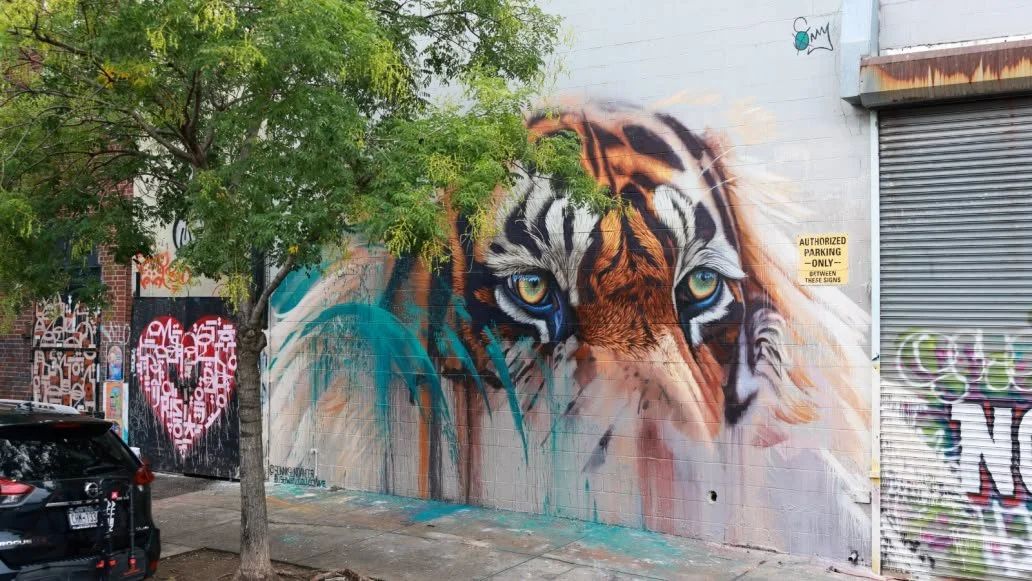
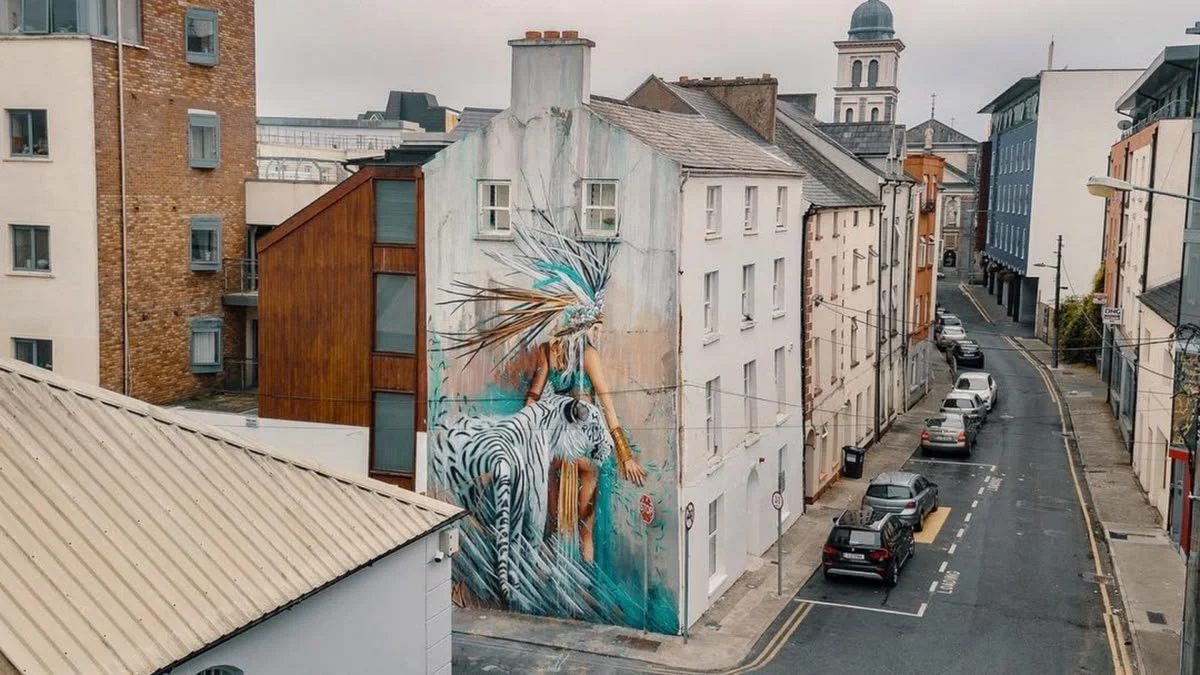
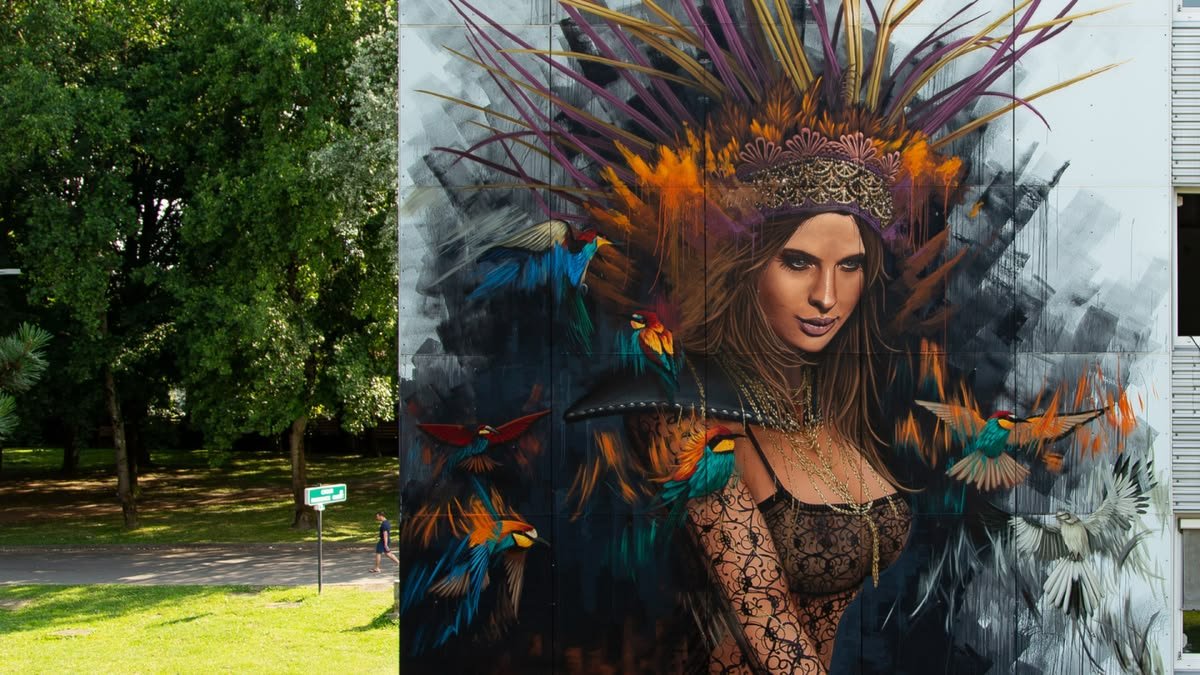
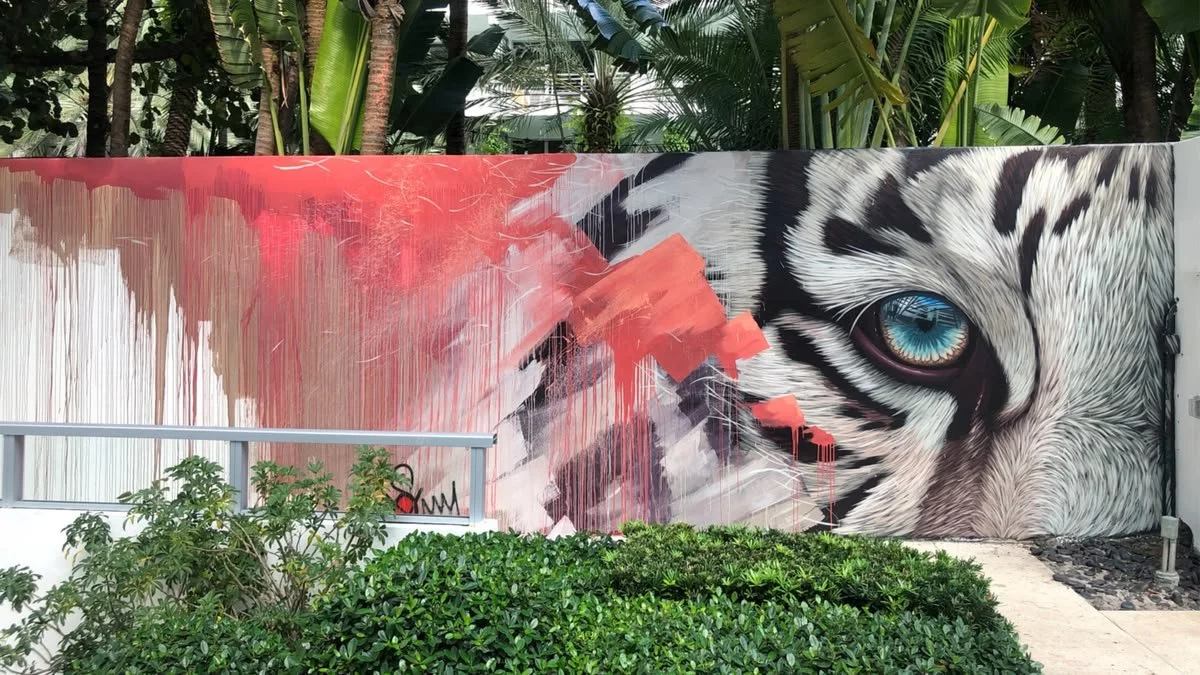
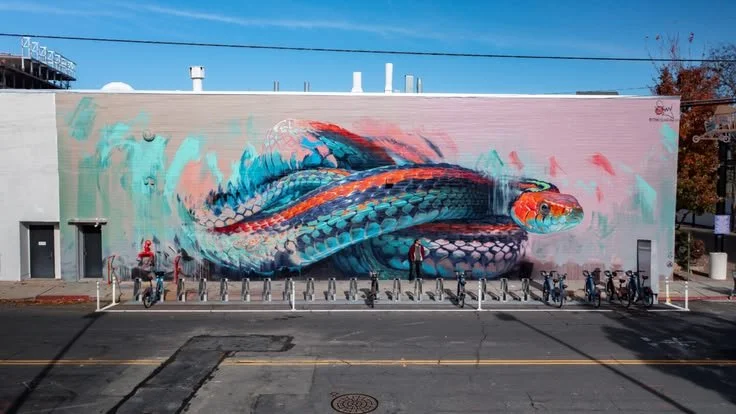
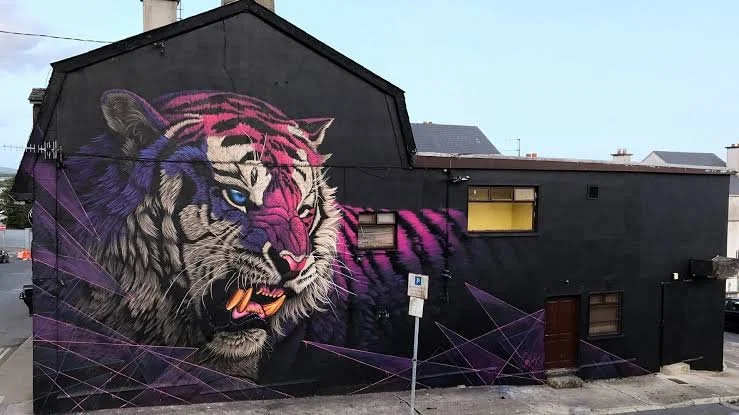
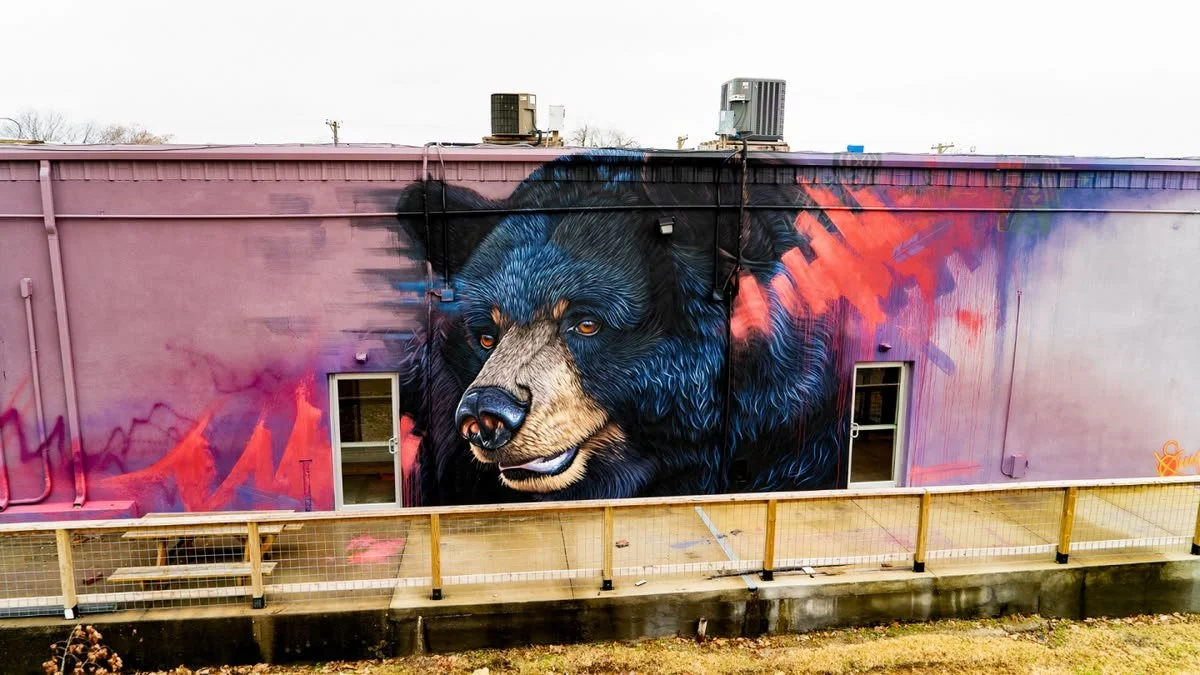
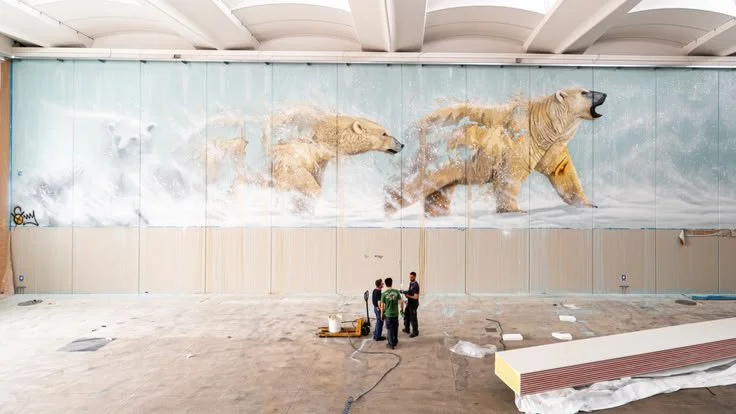
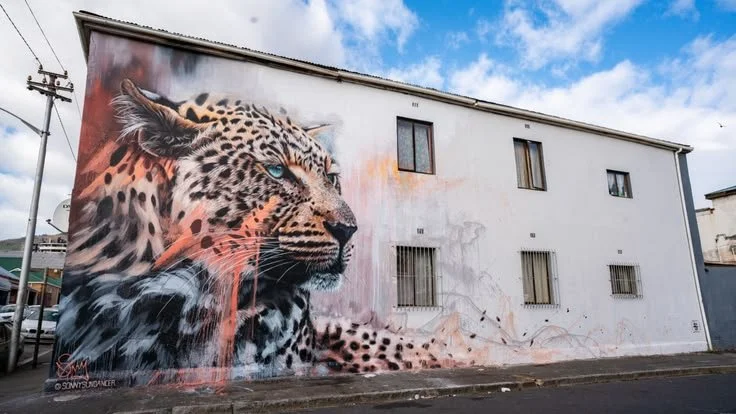
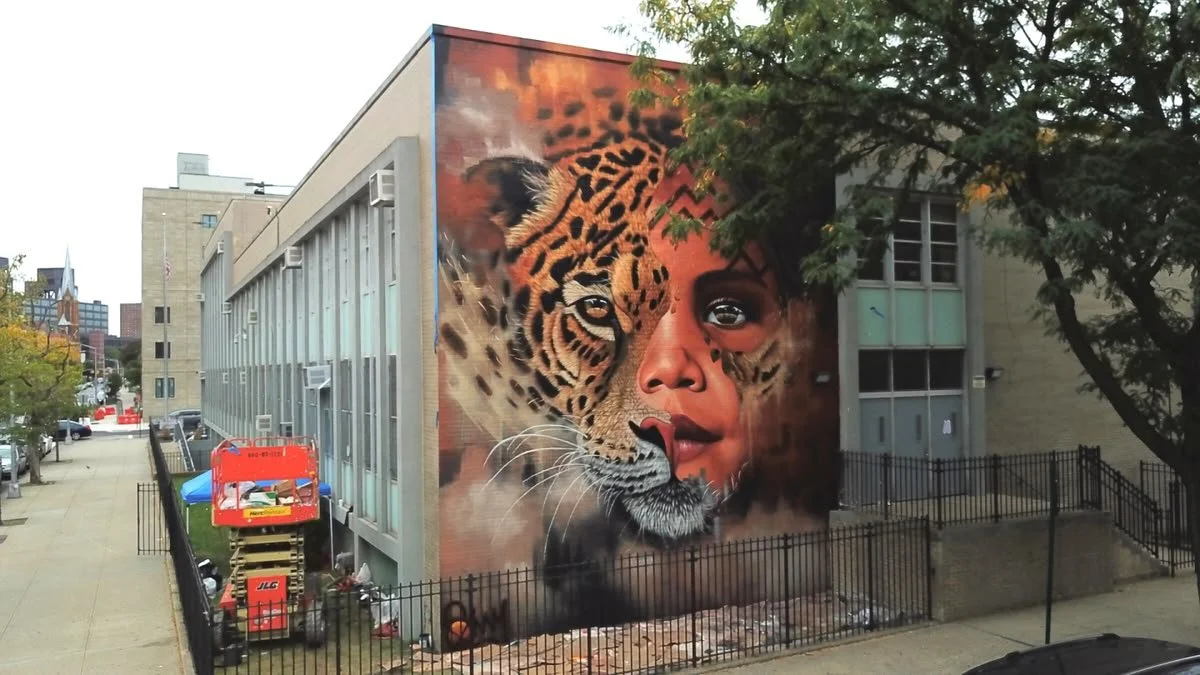
One of the most ambitious chapters of your career has been using public art as a platform for environmental advocacy. Through large-scale murals created around the world, you've brought global attention to endangered species and the extinction crisis. How do you decide where to paint, and how do you adapt your conservation message to resonate with different communities and cultures?
Yes, it has been quite a project to put together. It seems I don’t really take baby steps in life, haha. And I’m so thankful Tess came on board to project manage it all. The project started with painting ten canvases, showcasing endangered animals from around the world. My original plan was to paint murals of these animals in the countries that they come from so that I could show the local people how important these animals are to them and their heritage. But at the same time, I also wanted to paint in major cities such as New York, London, LA etc., as these places are so influential. A lot of the fight to protect these animals is actually done in court houses far away from where the animals actually live. A lot of it comes down to legislation. So, this is my general idea, but I am trying to keep the tour quite fluid, allowing it to grow organically and take me in different directions. It’s a global issue at the end of the day and one that everyone should be aware of.
Your work often combines striking beauty with an important educational message. In addition to your murals, you've created a series of highly detailed skull sculptures and prints inspired by endangered species from around the world. What sparked the idea for this series, and how did you decide which animals to include?
With difficulty! There are so many endangered species in the world, it’s scary! The first animal in the series I painted was the gorilla. I think I was inspired by a documentary I had watched. From there I sat down to sort of structure how many and which animals I would focus on. It became really difficult to narrow it down with so many species that are endangered, but I had to limit it to ten due to the level of detail I wanted to put into the paintings. I chose a few local animals close to home that I had a personal connection with such as the leopard, elephant, rhino, lion and gorilla. I then tried to spread out the remaining five to include some of the most iconic endangered animals around the globe such as the tiger, as well as some of the most critical such as the Mexican Wolf that has been estimated to have less than two years left in the wild. Hopefully, I can also include some more murals of different animals as the project grows.
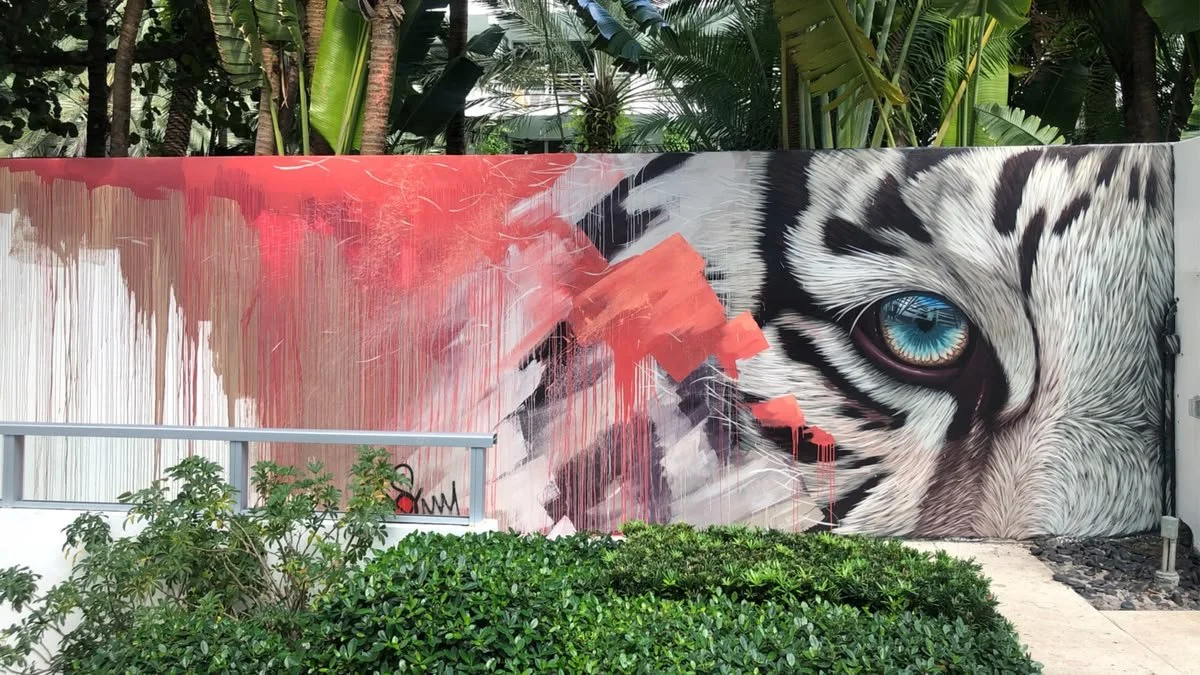
Beyond creating beautiful artwork, you've consistently used your platform to raise both awareness and financial support for wildlife conservation efforts. Why is it important for you that your art serves a purpose beyond aesthetics, and what impact do you hope it has on the broader conversation surrounding conservation?
Yes, my hope is that through the murals I can not only raise awareness, but also encourage people to either donate to the cause or purchase an artwork to help raise funds for my conservation partner, IFAW. At the exhibition, I will be auctioning one of the original artworks with 100% of proceeds going to the cause. Then 10% of all the remaining originals and prints will also be going to IFAW’s projects including their Russia tiger work and landscape work in South Africa. I will be accepting donations on behalf of IFAW from visitors, and there will be a few exciting additions to the artwork for sale. Details about the exhibition are still to be announced, but people can subscribe to the To The Bone mailer to find out.