

BALENCIAGA FW26: THE RUNWAY AS CINEMA
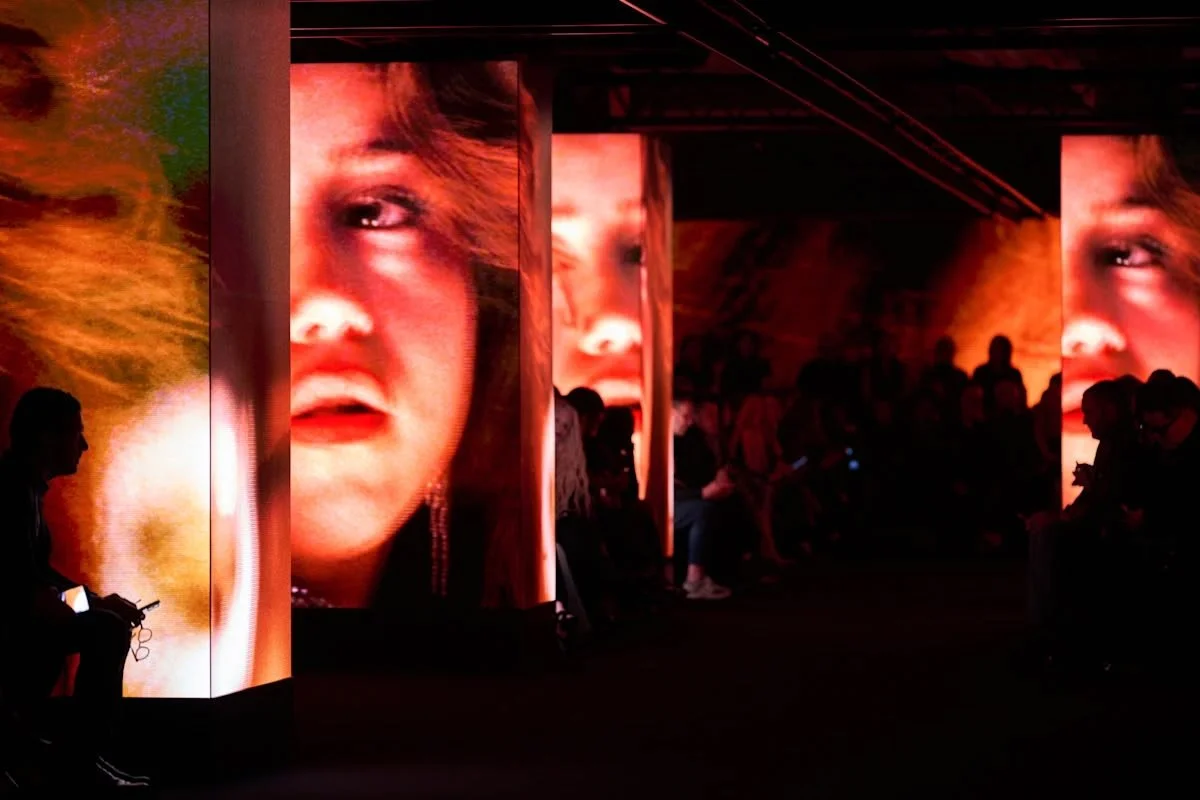
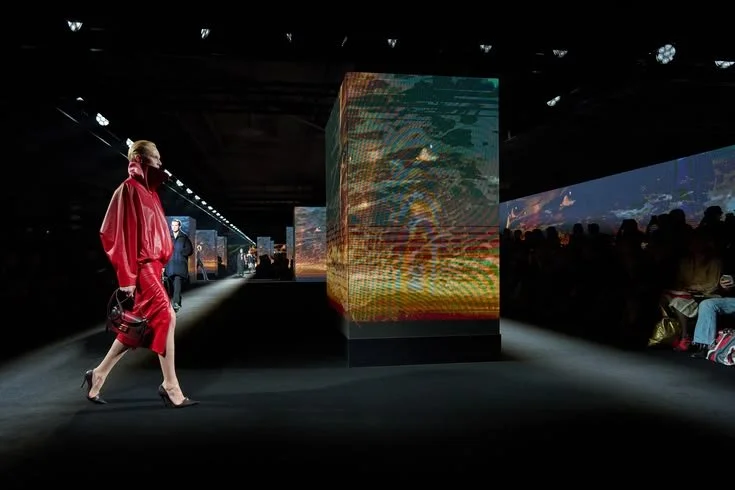
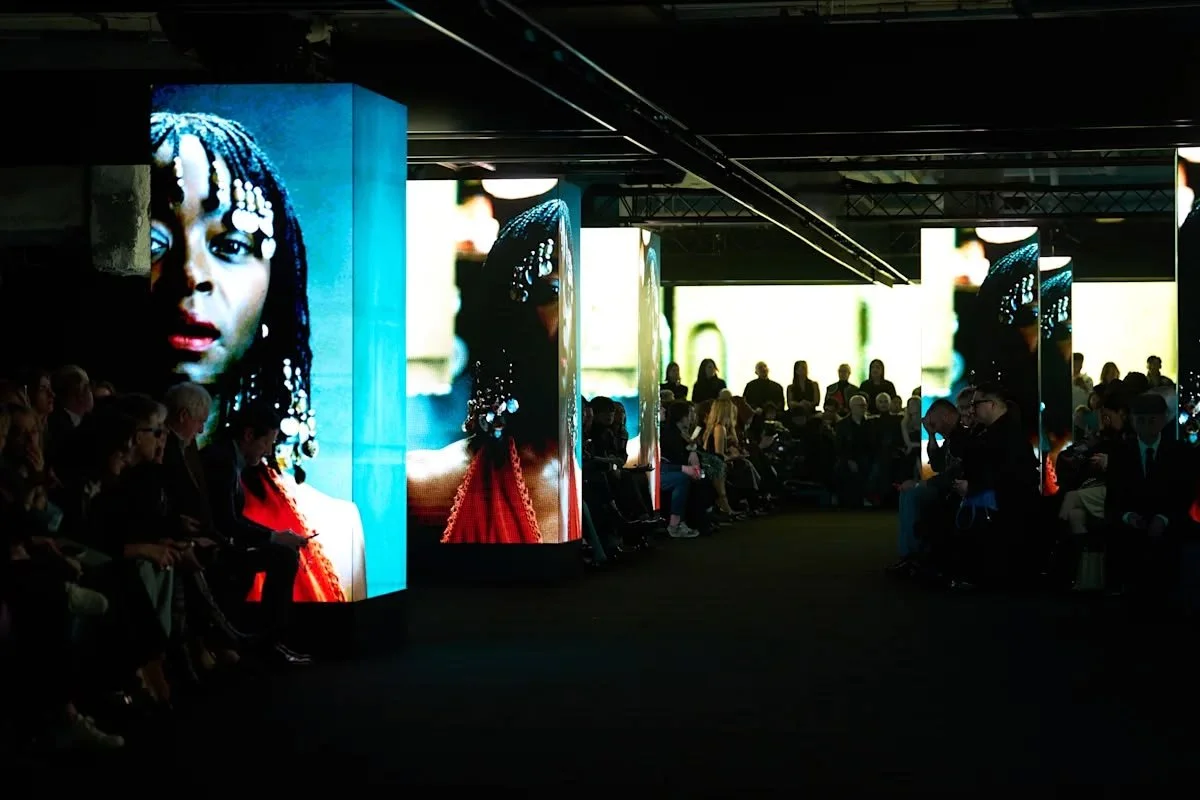
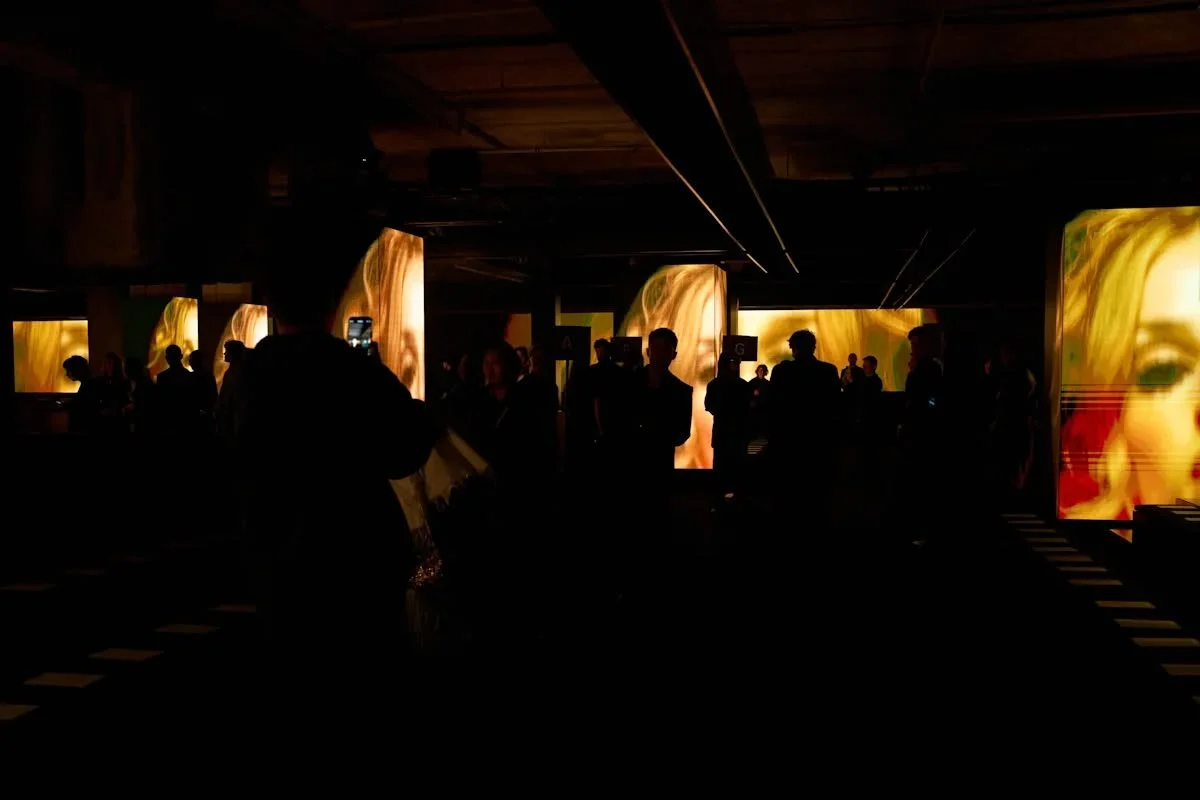
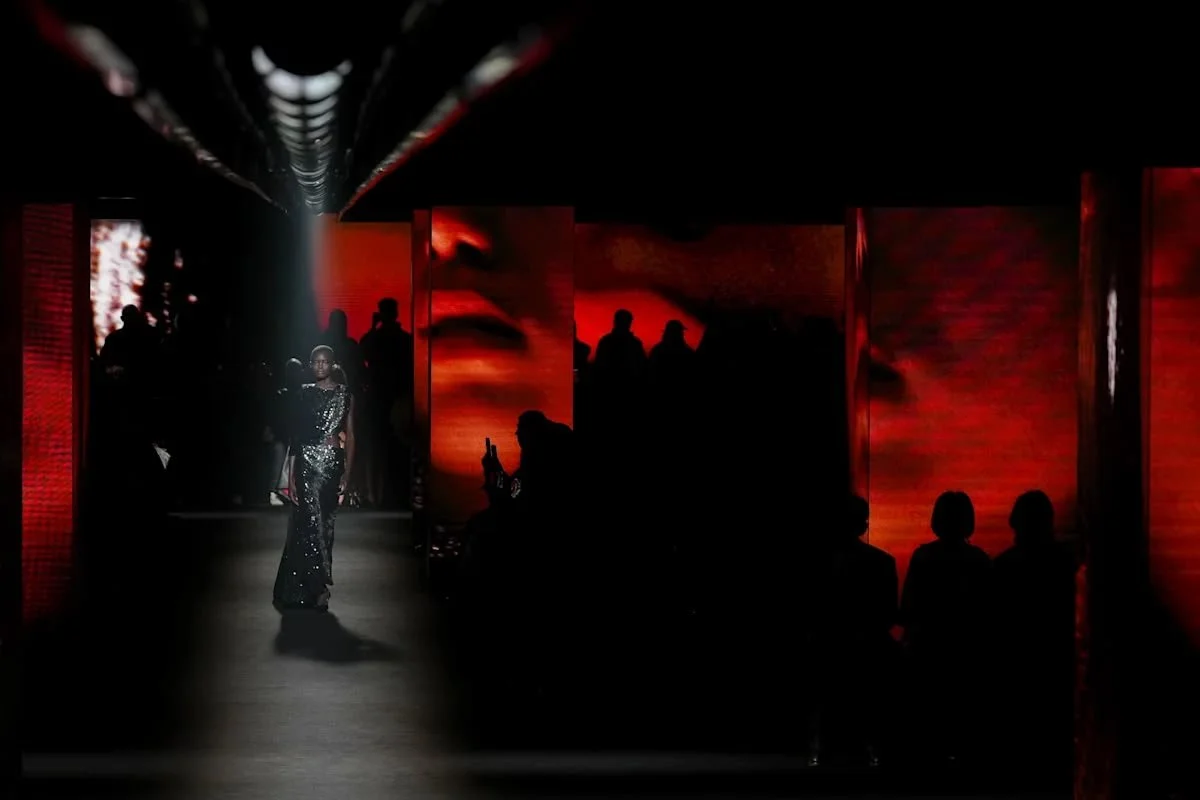
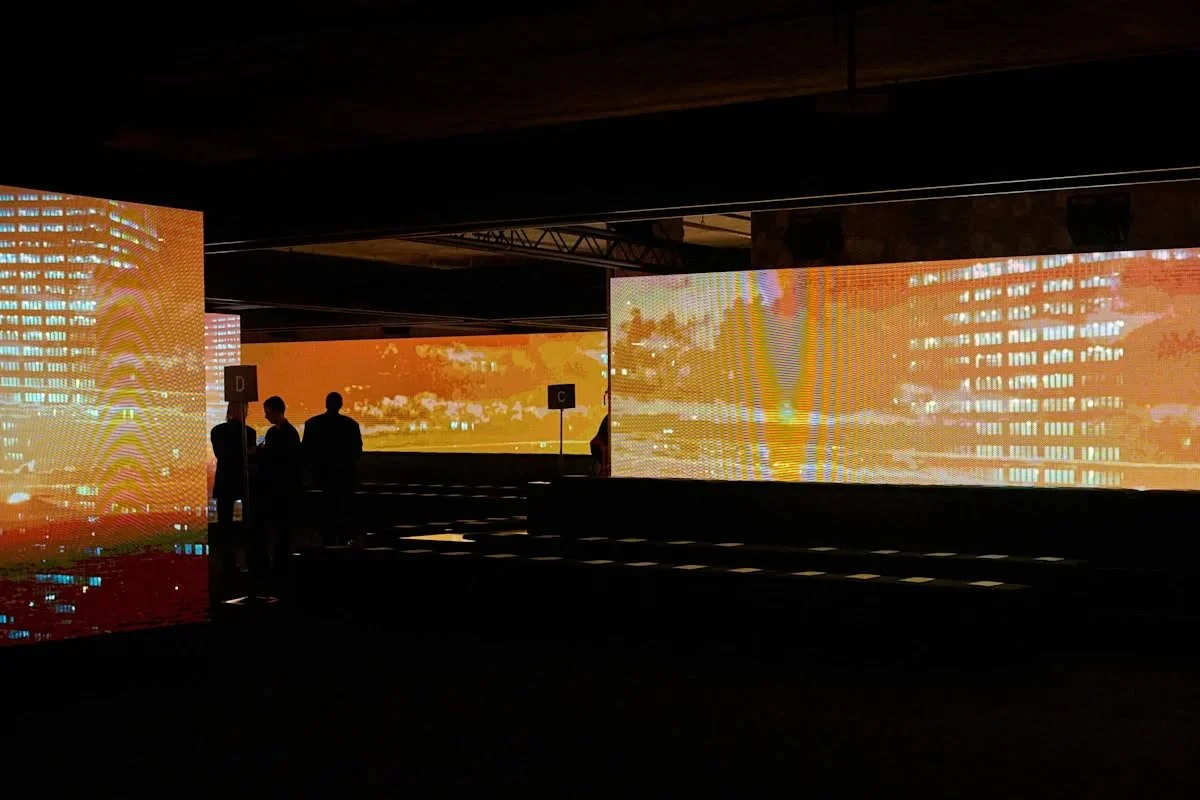
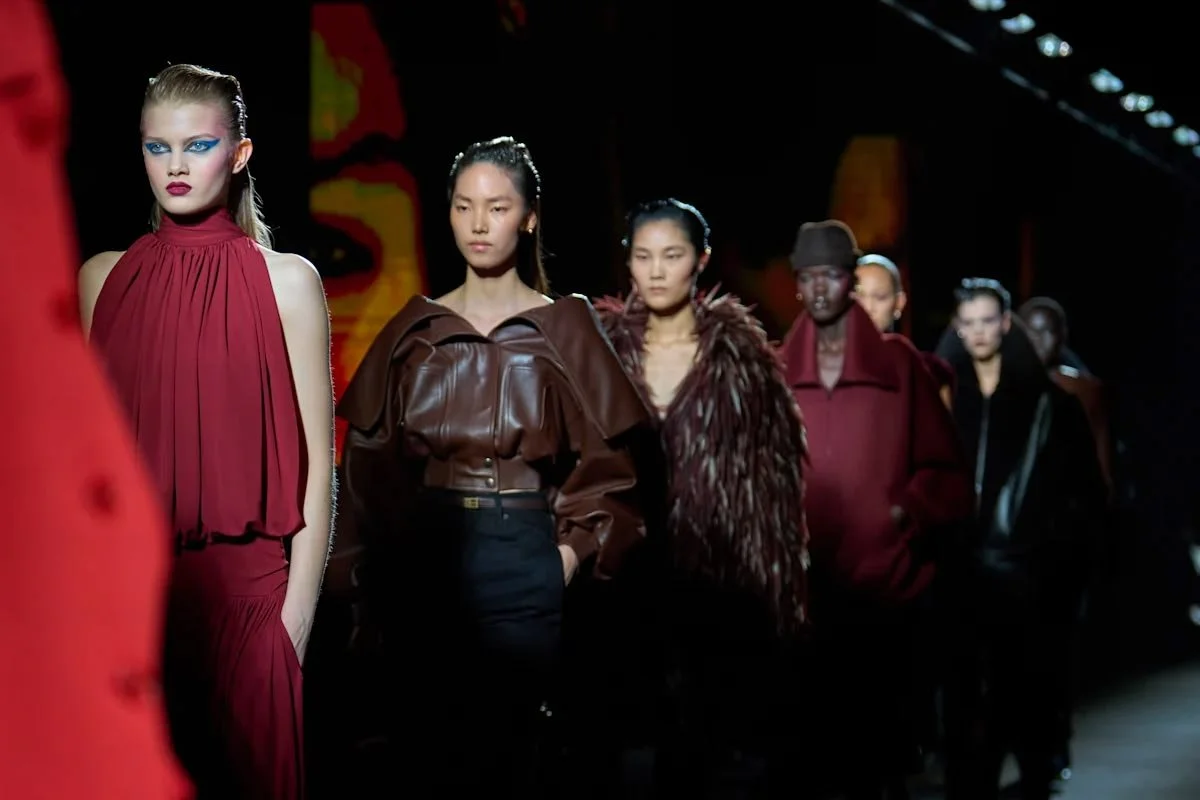
For Balenciaga’s Fall/Winter 2026 presentation, the runway was designed less like a fashion stage and more like a cinematic environment. In an unexpected but compelling creative move, the house collaborated with filmmaker Sam Levinson, the director behind the visually charged HBO series Euphoria.
The result was a runway experience that felt closer to a scene unfolding in a film than a traditional fashion show.
A Set, Not a Runway
Rather than elaborate props or decorative spectacle, the stage design leaned into restraint. Industrial textures, controlled lighting, and shadowed edges created a sense of atmosphere that felt intentional and almost narrative. The models moved through the space as if entering and exiting scenes, each appearance revealing another moment within the visual story.
The structure of the stage directed attention with precision. Pools of light isolated figures while darker areas created tension around the edges of the room. The minimalism allowed the silhouettes, movement, and styling to carry the emotional weight of the presentation.
The Influence of Sam Levinson
Levinson’s work has become synonymous with a particular visual language—one that balances intimacy with stylized drama. His involvement introduced a cinematic sensibility rarely seen in runway production.
In many ways the staging echoed the atmosphere that defines Euphoria: dim lighting, heightened emotion, and an almost voyeuristic feeling that the audience is witnessing something personal rather than simply observing a spectacle.
The runway became a kind of psychological landscape where fashion, mood, and movement interacted.
Fashion Moving Toward Film
Fashion shows have increasingly evolved beyond simple presentations of clothing. Designers now treat them as cultural moments where fashion intersects with music, art, and film. Inviting a filmmaker like Levinson into the creative process reflects this shift.
The FW26 presentation suggested a future where runway shows borrow more openly from cinematic storytelling. Lighting becomes narrative, pacing becomes structure, and the stage itself becomes part of the collection’s language.
The COUTEUR Perspective
What made the Balenciaga show compelling was its sense of restraint. Instead of overwhelming the audience with spectacle, the staging created a mood that allowed the collection to unfold naturally within the space.
The collaboration demonstrated how powerful a runway can become when fashion embraces the tools of filmmaking. When atmosphere, lighting, and pacing are treated as seriously as garments, the result is something closer to a cultural experience than a fashion show.
SHOP EDITOR PICKS
